
A tale of 2 winemakers: a Kansas man with Burgundy land, a French daughter in Oregon
I come to you today with two stories. Both focus on people producing classic Burgundian-style Chardonnay and Pinot Noir.
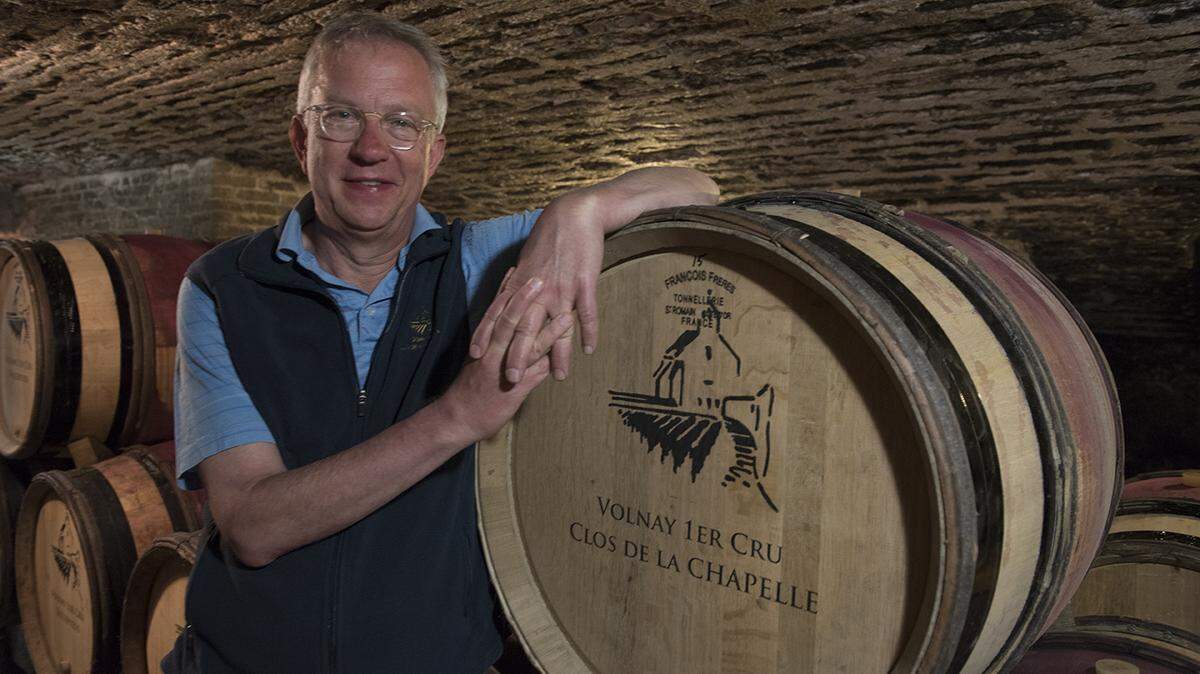
One is about Johnson County native Mark O’Connell, who has managed to acquire multiple vineyards in Burgundy and travels the world making and selling his wine.
The other is about Veronique Drouhin-Boss, who brought her family’s passion and knowledge from Burgundy to Oregon, where she has been making fantastic Willamette Valley Chardonnay and Pinot Noir for 30 years.
France’s Domaine Clos La Chapelle
I first met Mark O’Connell about five years ago. I had caught wind of a guy from Kansas who purchased a vineyard in Burgundy, Clos De La Chapelle, a historic domaine in the town of Volnay. I had to know how this happened.
We met for dinner, shared a bottle of his wine, and he told me his story — one of being in the right place at the right time.
“I had purchased a barrel of wine from the famous Hospices de Beaune auction and as part of the deal, I came to France to work during the harvest,” O’Connell recounted. “I found a winemaker who would let me assist, going from barrel to bottle as negociants do. I thought if I liked it, I’d do it every year.”
O’Connell did just that from 2005 till 2010. Then, at the end of the 2010 harvest, something amazing happened.
“The managing director of the domaine approached me and asked if I’d ever thought about doing this every year for the rest of my life?” O’Connell said. “That had never even occurred to me, never even thought it would be possible. And he said, ‘Well, it might be possible. How’d you like to buy a vineyard?’”
It turned out to be three vineyards, which the managing director couldn’t buy with his company because of tax purposes. He needed a private person.
Enter O’Connell, who went from a man with a barrel of wine to a man with vines, grapes and workers. He now owned a Burgundy estate.
“We bought the barrels from Louis Boillot in 2010 and our first vintage was 2011,” O’Connell said.
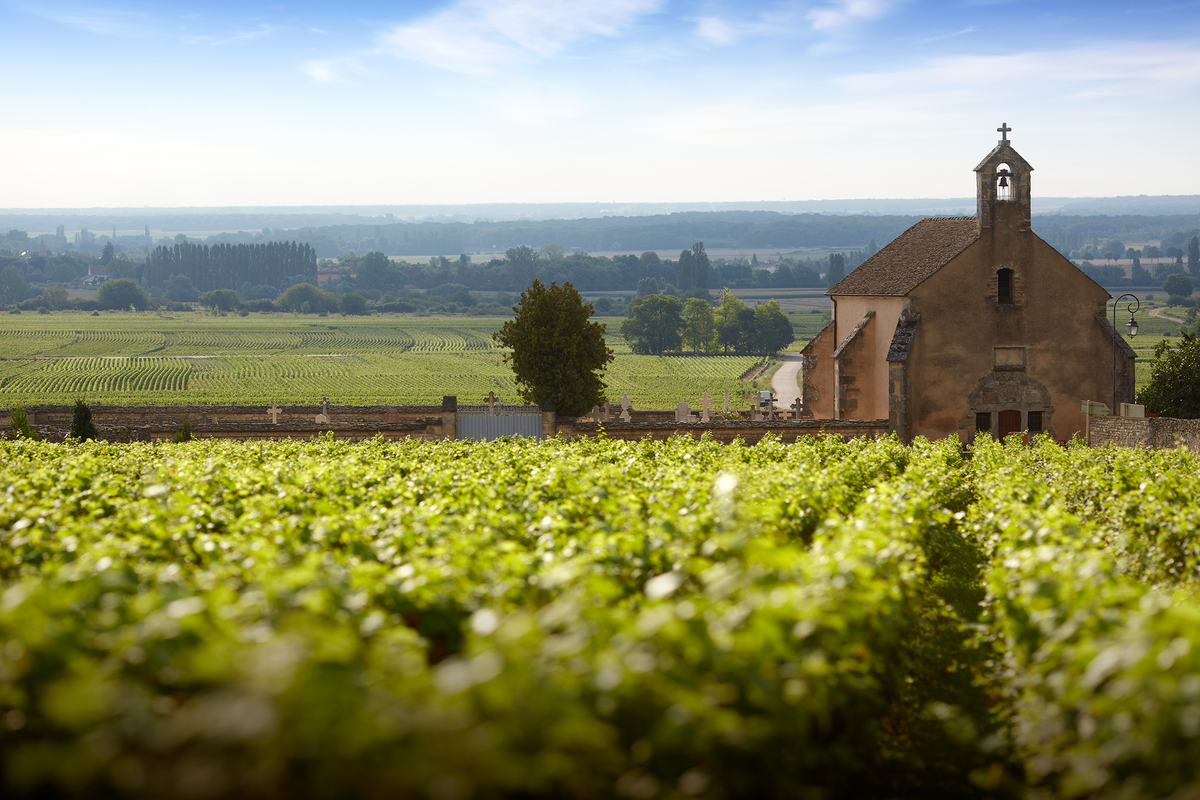
Fast forward several years, through several devastatingly bad harvests, the sale of O’Connell’s company, and suddenly O’Connell found himself in the position of being able to purchase more vineyards from cash-strapped owners. He quadrupled his production.
“We ended up with 11 small appellations, all Cotes de Beaune, all Premier Cru and Grand Cru, which was important to me from the beginning,” O’Connell said.
At around 1,600 cases of white and red Burgundy, O’Connell is still very small on the global wine scene. But he loves what he’s doing and has no trouble selling his wine to buyers from Tokyo to New York to his hometown of Kansas City.
I asked O’Connell, who was a beer drinker before being turned onto wine, if he could have ever imagined his life now?
“No. People say this is a dream come true, and I tell them that’s it’s really not,” he said. “When you think about dreams that you keep with yourself, these are things that might be realized. Owning 11 vineyards in Burgundy, making incredible wine from those vineyards, and selling that wine all over the world is not something I could have ever dreamed.”
Oregon’s Domaine Drouhin
If O’Connell could never have imagined his life as a winemaker and estate owner, Veronique Drouhin-Boss could likely never have imagined hers any other way.
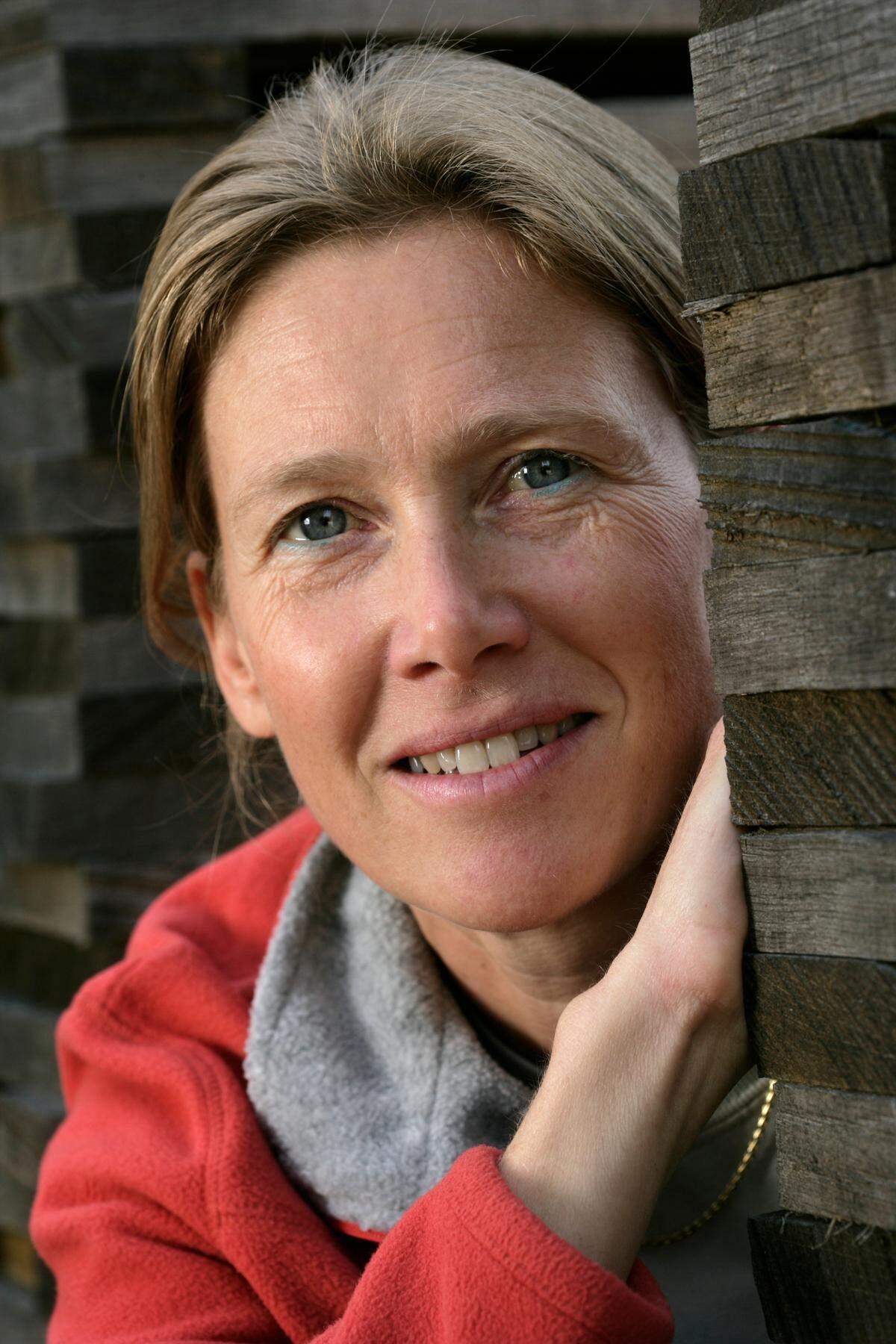
Born into a family that founded its negociant business nearly 130 years ago, Drouhin-Boss carries with her one of the most important names in the Burgundy wine world. Her life in Burgundy changed dramatically in 1986 when her father encouraged her to go to Oregon for winemaking training during harvest.
“He had been in Oregon in the past and tasted some of the first Pinot Noirs produced there. He was stunned by the elegance and quality of the wines. The climate was similar to Burgundy’s, an important factor for Pinot Noir,” Drouhin-Boss shared.
The Drouhins purchased 100 acres in Dundee Hills in 1987, and in 1988, at the tender age of 26, Drouhin-Boss produced her first vintage at Domaine Drouhin. Making wine in the Willamette Valley required some adjustments, but the goal remained the same — produce balanced, elegant, age-worthy Chardonnays and Pinot Noirs.
“From Burgundy, we took the high-density practice (more vines per acre), but we also knew we would not reproduce what we do in Burgundy, where the soils are very different. But we were inspired by the style of the wines of some of our favorite villages: Beaune, Chambolle Musigny, Gevrey Chambertin, and Vosne Romanée. These are wines that are elegant, balanced, and refined — the DNA of Pinot Noir,” Drouhin-Boss said.
After 30 years, Drouhin-Boss has learned a lot about producing wine in Oregon, including how to make great Pinot Noir on volcanic soil. But she says her greatest challenge isn’t winemaking.
“Moving to Oregon three to four times a year and leaving behind three young children to my husband! That’s hard,” Drouhin-Boss told me.
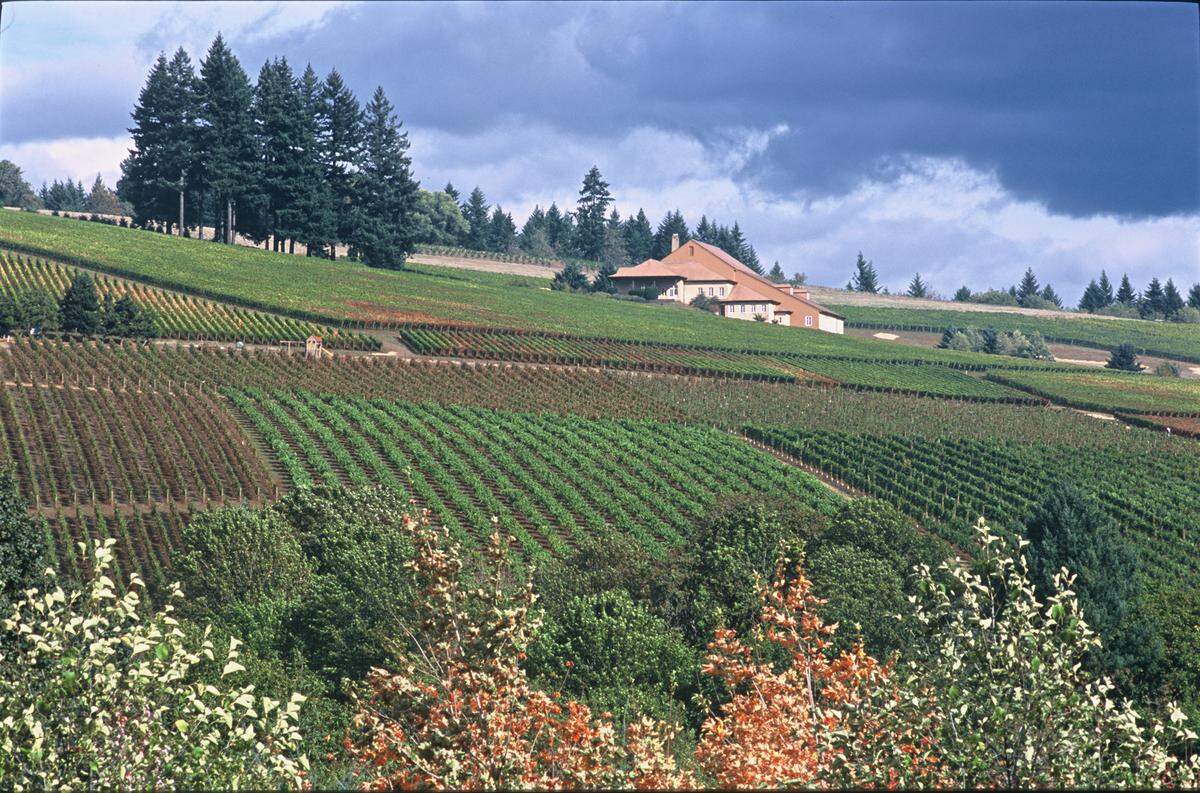
She has overcome that and many other challenges to produce some of the most consistently delicious Chardonnays and Pinot Noirs in Oregon — and, in fact, in The New World.
“I’m proud to have contributed to prove the world that Oregon makes delicious Pinot Noir. I am grateful to my father that he believed in Oregon 30 years ago,” Drouhin-Boss said.
Dave Eckert is a longtime Kansas City food and beverage journalist. He was the producer and host of “Culinary Travels With Dave Eckert,” which aired on PBS and AWE for 12 seasons. Follow Dave’s eating and drinking experiences on Instagram at @eatsanddrinkswithdave.