
Simple Plant Updates That Transform Patio and Backyard Spaces Without Any Major Landscaping Work
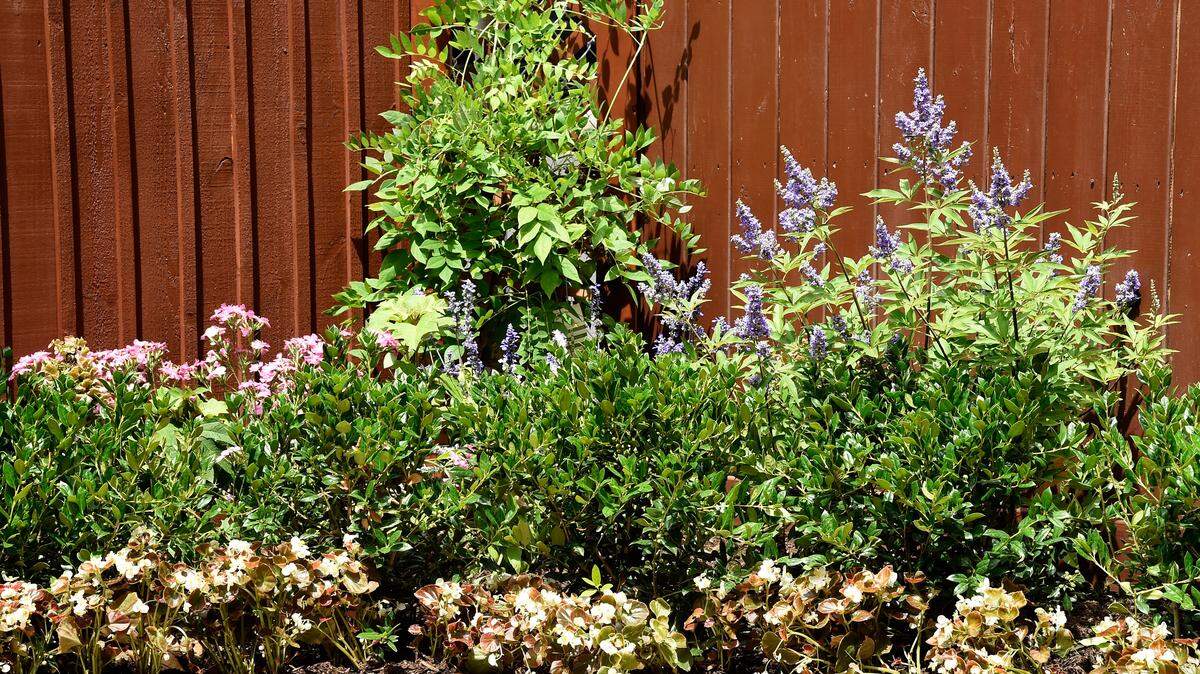
Your outdoor space might be one afternoon away from looking like it was styled by a professional — and you probably won’t need to buy a single thing to make it happen. The secret isn’t new plants, pricey planters or a landscape designer. It’s working smarter with what you already have.
Whether you’ve got a handful of potted plants scattered across a patio or a few neglected containers gathering dust by the garage, a few strategic moves can transform the whole look of your yard. Here’s how to make it happen.
Cluster Your Pots for an Instant Glow-Up
If your outdoor plants are spread out one by one across your space, they’re probably not doing much for you visually. The fix is simple: move single pots into clusters of three to five, mixing different heights together. Add what designers call a “statement plant” — whatever your tallest or most interesting-looking plant happens to be — as the focal point of the group.
Place one larger plant, like a tall grass, palm or sculptural shrub, in a key visual spot. Everything around it will suddenly feel organized and intentional, even if you didn’t change a thing about the plants themselves.
This approach doesn’t just look better. It’s also better for the health of your garden. According to BioDiversityWorks: “When flowers of the same species are planted in dense patches, pollinators can forage more efficiently, gathering nectar and pollen without wasting energy flying between scattered blooms. This ‘clumping’ strategy supports higher rates of pollination and helps pollinators conserve their energy for reproduction and nest-building.”
So grouping plants doesn’t just give your yard a designer look — it gives your local pollinators a boost too.
Repeat One Plant for a Pulled-Together Look
You know that one plant you’ve got three or four of? Line them up. Use the same plant in multiple spots along a fence, walkway or patio edge. Repetition is one of the simplest tricks in design, and it costs you nothing when you already own the plants. It creates a sense of structure and rhythm that makes a space feel thought-out rather than thrown together.
Swap Your Mismatched Pots — or Just Paint Them
Chances are, you’ve accumulated a random mix of plastic nursery pots, ceramic finds from yard sales and a few impulse buys over the years. That patchwork is one of the fastest ways to make a space look cluttered.
You don’t have to replace them all. Try switching to similar colors or materials — terra cotta, black, white or woven textures. If you already have pots in decent shape but different colors, a can of spray paint is one of the cheapest upgrades available. Clean them up, give them a coat of matte black or crisp white and suddenly you’ve got a matching set.
Create Zones With What You’ve Got
Think about your outdoor space the way you think about your living room. You wouldn’t push all your furniture against one wall and call it done. The same idea works outside. Use your existing plants and containers to separate areas into distinct zones — a dining zone, a lounge zone and a garden edge.
Frame your outdoor seating areas with plants or greenery on both sides of patio sofas, chairs or dining tables. This creates a sense of enclosure and comfort, like you’ve designed an actual outdoor room instead of just plopping down a chair on a slab of concrete.
Fill Empty Corners With Layers
Got a sad, empty corner on your porch or patio? Layer three plants together: one tall, one medium and one trailing or low plant. You probably already own candidates for each role — you just need to reposition them. This trick adds dimension and makes even a small space feel lush.
Add Height Without Adding Cost
Height is one of the most overlooked elements in a yard, and it’s also one of the easiest to create on a budget. Alexander Betz, landscape designer with Plant by Number, says in Martha Stewart: “Even without climbing plants, these structures create height and architectural beauty, acting as focal points in the garden. If you do have climbing plants, such as clematis, climbing roses, and star jasmine, placing these pieces nearby will allow them to grow vertically and create an even more beautiful space.”
Kevin Lenhart, design director at Yardzen, tells Blythe Copeland with Martha Stewart: “An ornamental gate or arched entry gives the garden a sense of arrival and separation from the rest of the yard. This simple addition can provide charm and structure!”
Refresh, Don’t Replace
The biggest takeaway here is this: you don’t need to start over. You don’t need to haul everything to the curb and start fresh with a cartload of new plants and expensive containers. Instead, work with what you have. Swap containers around. Regroup your pots. Clean them, paint them, move them to a new spot. Sometimes the difference between a yard that looks neglected and one that looks designed is just a Saturday afternoon of rearranging.
Your plants are already doing the growing. All you need to do is give them a better stage.
This article was created by content specialists using various tools, including AI.