
Don’t wait until spring to treat weeds. Fall is a great time to attack
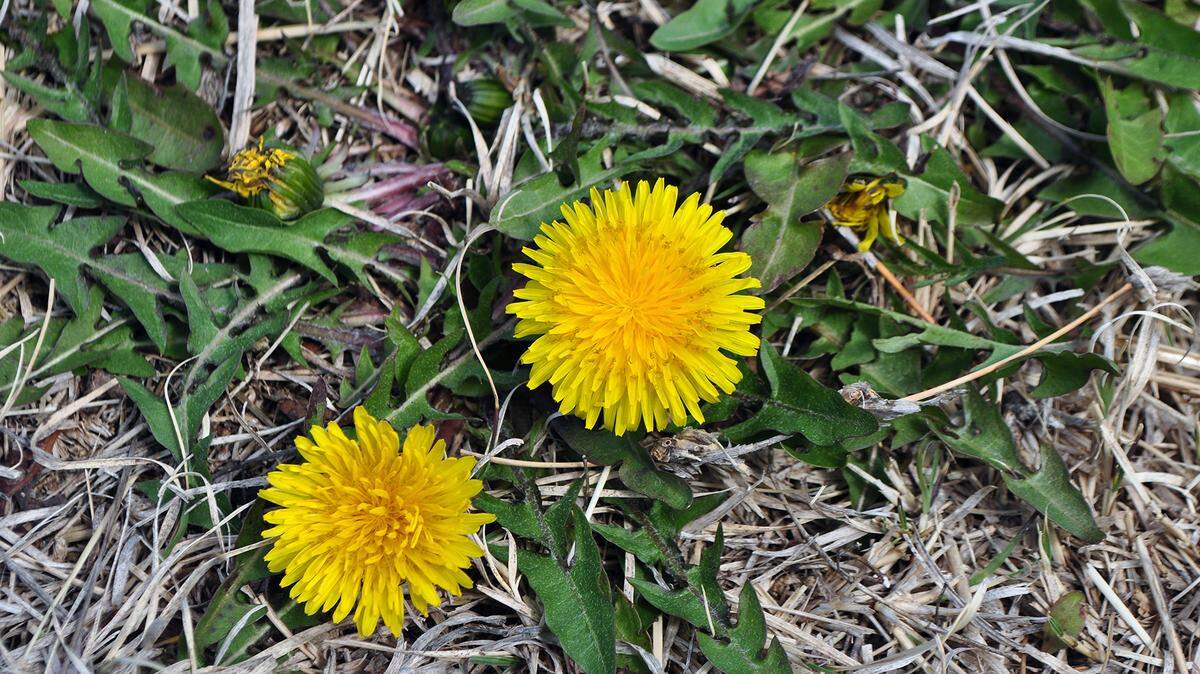
Give a weed an inch and it will take a yard. This adage holds true for many people battling weeds in the lawn. Spring weeds are opportunistic and take advantage of thin, stressed areas. Ridding the lawn of an abundance of weeds is possible. It’s all in the timing.
Weeds are easiest to control when they are establishing and actively growing. This stage of development varies and depends on the species. Now is the time to rid our lawns of the most troublesome spring weeds. Dandelions, henbit and chickweed are best treated now through early November.
Henbit and chickweed germinate in the cool, rainy fall and lay dormant over winter, ready to burst into glory come spring. Dandelions are a perennial weed preparing now for winter by storing energy in the roots. Come spring these weeds turn our lush green carpet into a patchwork of yellow, purple and lime. Once weeds start to flower, controlling them is difficult and they are more likely to damage other landscape plants.
These weeds are small, about the size of a dime or quarter, and often hide in the grass. Like the dandelions, they are preparing for winter. Treating them now knocks them out, resulting in a weed-free lawn in the spring.
Herbicide applications come in two forms, liquid or granular. Both are acceptable treatments, but liquids do have an advantage. Liquid herbicides sprayed through a pump disperse the water droplets for thorough coverage over the foliage. This often results in a more effective termination.
Granular herbicides, while effective, should be applied to a damp turf because the pellets coated with the herbicide need to adhere to the weed foliage. The chemical is absorbed into the leaf. Coverage is not as thorough, and some weeds may come back in the spring.
Several products are on the market for broadleaf weed control. They contain active ingredients such as 2,4-D, MCPP, Dicamba or Carfentrazone. Ideally, products that include a combination of these chemicals work best.
Another advantage of fall weed control is safety. One issue with liquid broadleaf weed control products is they drift and damage non-target plants. Spring is an active period of growth in our landscape as trees, shrubs, flowers and vegetables begin to grow again.
When these products are applied in the spring, they form a vapor, which is absorbed by the expanding foliage. These vaporized products can travel great distances on even a light breeze on a warm spring day. The result is twisted, puckered, deformed leaves that look odd. In fact, herbicide damage is our most common plant problem at the Extension office in late May. The good news is the damage is mostly cosmetic.
By applying these products in the fall when landscape plants are going dormant, herbicide drift is not an issue. Be sure to read the product label thoroughly and follow all application instructions, including taking safety precautions using personal protective equipment.
Don’t let the weeds take over your yard. Take advantage of these warm fall days and rid your lawn of nasty spring weeds for that carpet of full, green grass we all desire.
Dennis Patton is a horticulture agent with Kansas State University Research and Extension. Got a question for him or other university extension experts? Email them to garden.help@jocogov.org.