
Got a cool-season lawn with fescue and bluegrass? Now’s the time to fertilize
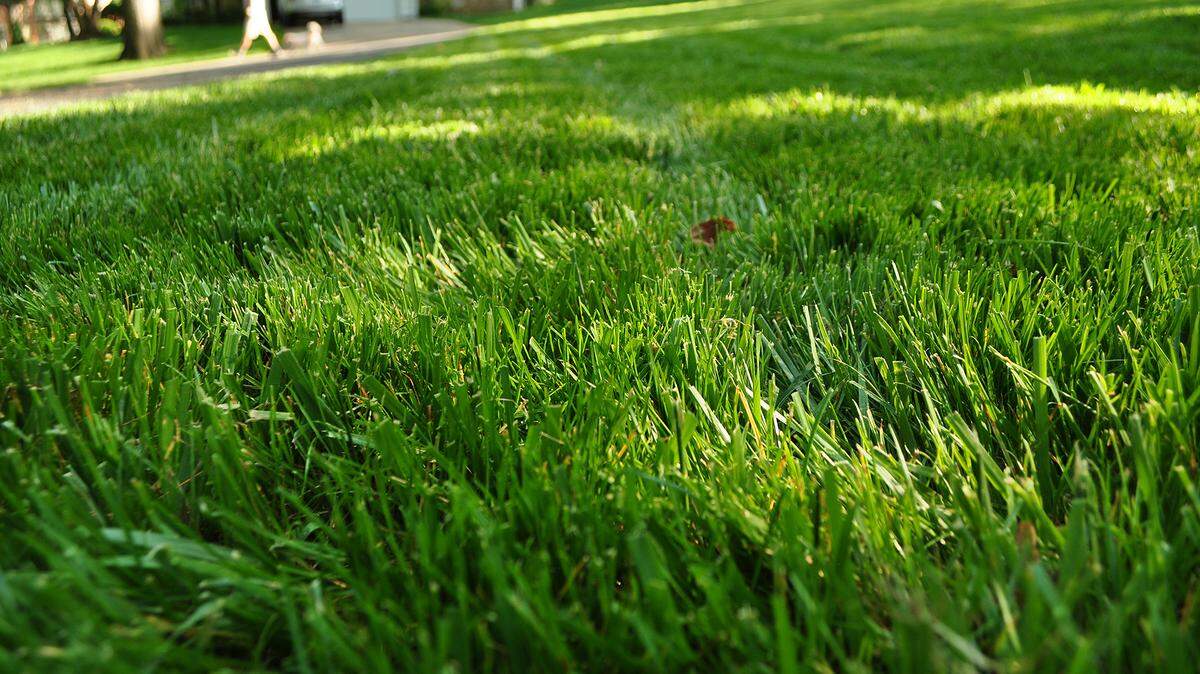
Can you hear your lawn’s tummy growling? You just might as area cool-season lawns like bluegrass and tall fescue are now in need of a good feeding.
September is the most important time of the year to give the turf a healthy dose of fertilizer. This application helps them recover from summer stress and jump starts the grass, setting it up for fall — and even spring — growth.
The most important nutrient for building a strong lawn is nitrogen.
Nitrogen, the first number listed on a bag of fertilizer, is used in the greatest quantity and can quickly leach from the soil, requiring additional applications for best growth. The total number of yearly applications depends on your preferred level of maintenance. But even the least cared-for lawn will benefit from a September application.
Phosphorus, the second number listed on the bag, is needed for growth of roots and shoots. Adequate quantities are likely present in the soils of established grass.
Potassium, the third number listed, is essential for the overall health, stress resistance and cold hardiness of lawns. Like phosphorus, it is normally found naturally in our soils.
Applications of fertilizers containing phosphorus and potassium are not recommended unless a soil test indicates the need. A starter type fertilizer, one higher in phosphorus, can be applied only when overseeding to help encourage quick establishment of the new seed.
Based on the need of the grass and local soil conditions, fertilizers containing higher concentrations of nitrogen should be applied now.
Bags of fertilizers will always have three numbers displayed that stand for the product’s percentage of nitrogen, phosphorus and potassium. Examples of fertilizers to apply in the fall have numbers like 30-0-0, 27-3-3 or 25-5-5.
Cooperative extension recommends an emphasis on healthy feedings of nitrogen in the fall.
Cool-season grasses have the longest stretch of desirable growing conditions through the fall months. At this time, the grass is developing new roots, crowns, rhizomes and shoots to thicken the stand. Fall provides the nourishment when the plants need it the most.
Many may think spring fertilization of cool-season lawns is the ideal time. Spring is a time of active growth for many plants but not bluegrass and tall fescue.
Spring fertilization of grass leads to a flush of shoot growth. While this flush looks robust, it actually causes you to mow more frequently, weakening the grass. The growth pushed by spring fertilization rapidly exhausts the plant’s food reserves, and leaves it with little energy for the stressful summer ahead.
It is best to wait until May to fertilize in the spring. Then a dose of nitrogen may be necessary for irrigated lawns to maintain summer color.
Timely rains have woken the lawn from summer stress. They are now saying feed me!
Dennis Patton is a horticulture agent with Kansas State University Research and Extension. Got a question for him or other university extension experts? Email them to garden.help@jocogov.org.