
Preparing your lawn for summer’s heat
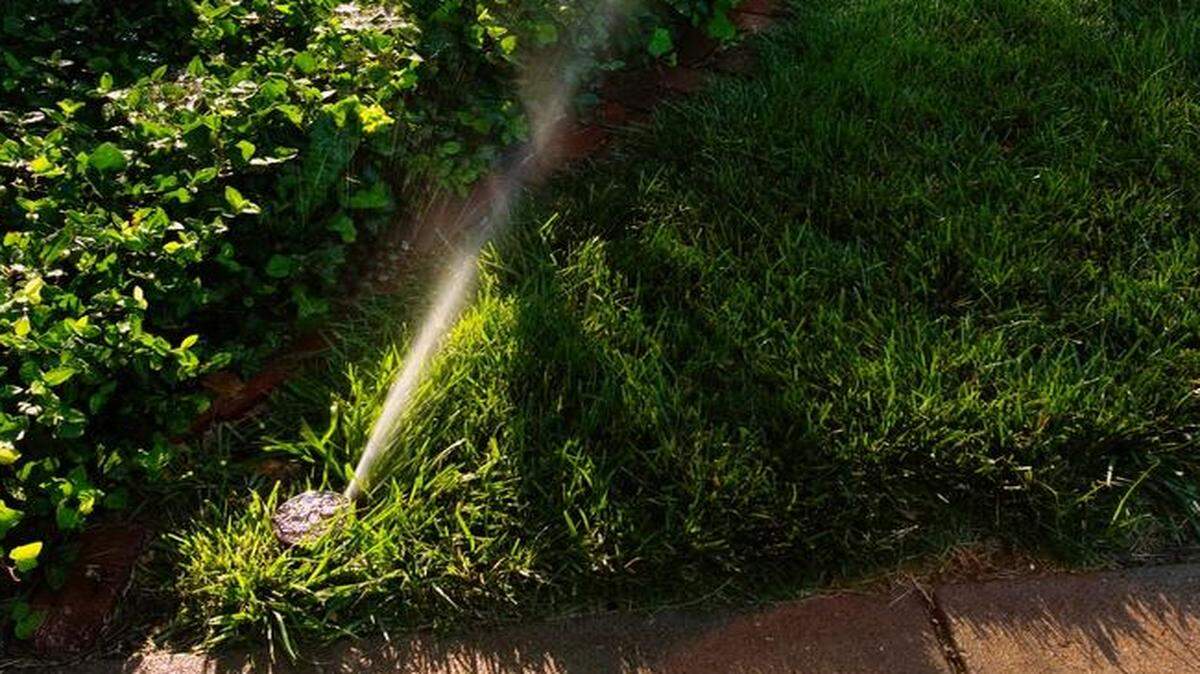
Lawns have been blessed this spring. The combination of ample rainfall and cooler temperatures has resulted in lush growth and a beautiful carpet of green. The only downside is the frequent mowing. As we transition into summer, here are tips to help ensure that our lawns keep that spring.
▪ Cut high: Mowing, more than any other maintenance practice, influences a lawn’s ability to withstand summer stress. The key is to allow enough leaf canopy to grow to provide the needed resilience. Bluegrass and tall fescue should be mowed high, at 3 to 3 1/2 inches.
This added leaf surface helps the grass plant use less water and survive higher temperatures. The increased leaf tissue gives the plant more surface area to generate food to nourish it during summer. The added length helps to shade the soil, which has a cooling effect and reduces evaporation during the heat.
A lawn mown at this higher level will stay green longer into summer and show drought stress later, which increases intervals between watering. This tip requires no work and is the best management tip.
Also, as the temperature increases, mowing frequency will decrease.
▪ Let it dry: Delay watering your lawn for as long as possible. Usually in the Kansas City area, timely rains mean we can make it to early July before there is a need to provide supplemental irrigation.
Research shows that a turf that is watered a lot is less able to withstand summer stress. Delaying watering develops stronger roots as they move deeper into the soil in search of moisture. With all the rain, roots have become lazy, remaining close to the soil surface. Allowing the turf to dry out and stress a little forces the roots deeper in search of water and toughens up the plant.
If you have irrigation, it is best to turn the timer clock off for now. It is beneficial to let the turf wilt and stress as long as it recovers overnight. Start watering once the grass reaches a point that it does not perk back up. Under normal June conditions, a recommended 1 inch or so of water will keep the turf strong for more than a week of hot conditions.
Reducing or delaying supplemental irrigation is not only good for the grass, it also saves money and is eco-friendly.
▪ Skip the fertilizer: Fertilizer is usually applied to high-maintenance lawns in late May or early June. While this application will keep a well-watered lawn greener, it probably is not needed in most cases.
Higher fertilizer levels increase water needs. Skipping a summer application could result in a slightly less green turf, but it is really difficult to tell whether the lawn is hungry or just dealing with summer stress. The most important time to feed the lawn is in early September as it starts to recover from the dog days of summer.
Follow these three simple tips and your lawn should make it through another summer. Who knows if it will be hot and dry or wet and cooler. We just have to be prepared to roll with the punches.
Dennis Patton is a horticulture agent with Kansas State University Research and Extension. Got a question for him or other university extension experts? Email them to garden.help@jocogov.org or visit KCGardens.KansasCity.com.