
Missouri peaches have a short season so enjoy them now
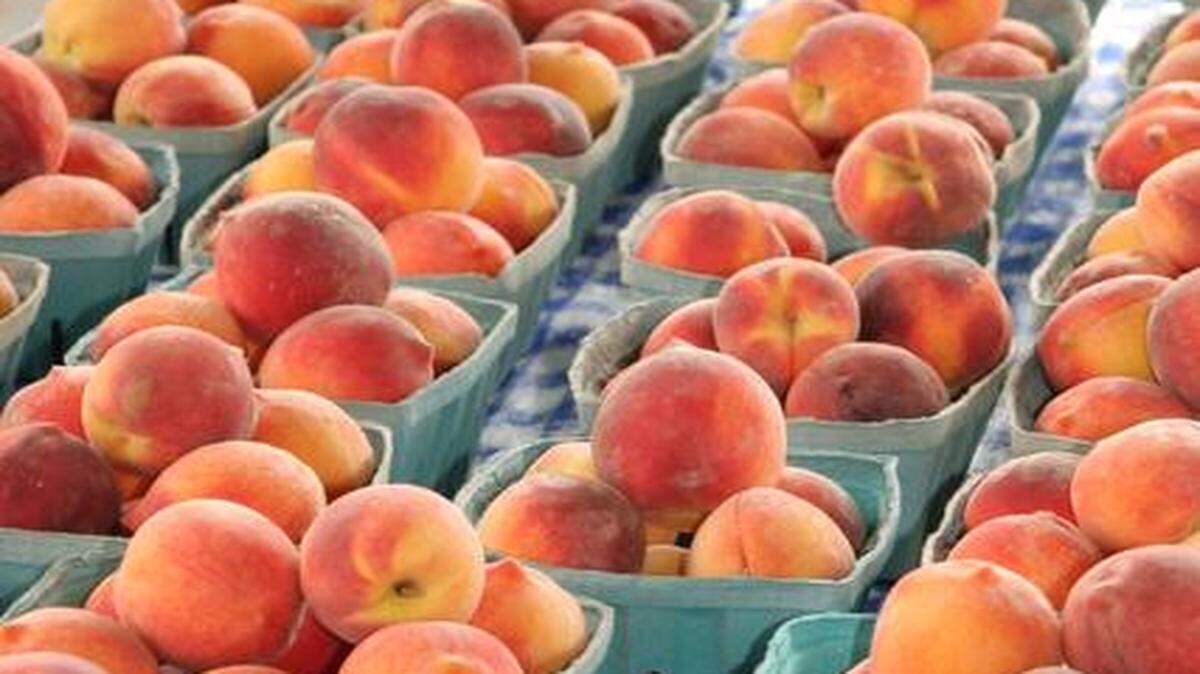
You can taste the Midwest in a locally grown peach. The fuzzy skin yields easily to your teeth. The flesh is packed with juice eager to drip down your chin.
Sweetness flows from heartland sunshine and a farmer patient enough to let fruit ripen on the tree. It’s peak peach season, and growers across Kansas and Missouri are working seven long days a week to bring you this year’s crop at its peachy perfection.
“We’ll start picking at 6 a.m.,” Cody Bader says. His smooth drawl and southern “ma’am” signify the Bootheel home of Bader Farms in Campbell, Mo., considered the peach capital of the state. “Sometimes we don’t stop until 9 or 10 at night. Our motto is: Our peaches are picked, packed and in your grocery store in 24 hours.”
The Bader family partners with Hen House stores as part of “Buy Fresh/Buy Local,” a national program managed by Food Routes, a not-for-profit promoting local and sustainable food. Mark Mollentine is the local consulting chef for Hen House’s effort.
“The issue with peaches is their short season,” Mollentine says. “When they’re here, they’re fabulous. There’s nothing like a locally grown fresh peach.”
Sweet success
Bader Farms employs about 100 workers to handpick peaches on the 1,000-acre farm. The orchard space has expanded fourfold since 1988.
“We pick nothing but mature fruit,” Bader says. “That way, the sugar content is already established in the peach. We’ll pick a crop every three days — five times over 15 days. We take only the fruit as it’s ready.”
Similar patience is practiced by Frank Gieringer whether he’s picking peaches for his Edgerton farm stand or the Overland Park farmers market. “That peach doesn’t get any sweeter once it’s picked,” Gieringer says.
Harvesting early may benefit the long-distance shipper but not the end consumer. “You’re sacrificing convenience for flavor,” Gieringer says.
Weather worries
One of the drawbacks to growing peaches in the Midwest is the weather.
“Our peaches may not be as pretty as in California or Georgia because we have a harsher environment,” Gieringer says. “Those other states have cookie-cutter weather. We have a lot of moisture, which leads to spots.”
The 2014 crop has its own challenges: “This year we’re running about two to two-and-a-half weeks late,” Bader says. “Typically we pack about the third week in June, but the prolonged winter and wet and cold spring has pushed everything back.”
The trials of farming temporarily disappear when farmers head to market and sell directly to consumers. Gieringer loves the land, but the market has its own attraction.
“Something about the farmers market really brings out the social side of me,” he says, his voice quickening. “You get to see such an array of people — it’s like being in a sidewalk café. It’s a fun, fascinating environment … much faster-paced than out here at the farm.”
Best peaches to bake
Gieringer advises home cooks buying from market stalls to look for freestone peaches.
“The first peaches are really for eating out of hand. They’re still pretty clingy,” he said, referring to the varieties in which fruit clings to the pit. “They’re softer, so they don’t hold up too well for cooking or canning. Near the end of July, you get into the freestones. When they’re ripe, you can just flick the pit out with your thumb. They’re the more substantial varieties for cooking.”
Amish baker Becky Miller uses only freestones in her best-selling peach pie.
“I look for a freestone because they’re nicer to peel, slice and cut up. Unless you’re eating them like an apple, you definitely want freestone,” Miller says.
Her crates of produce and stacks of pies have been available at the Ottawa market for nine years. This year, she’s expanding to sell in Overland Park on Wednesdays and Saturdays.
“If it’s a good year for peaches, I could sell a dozen peach pies in a day,” she says.
Creative culinary twists
Does Miller have a peach pie secret?
“I add a little bit of orange Jell-O powder to bring out the peach flavor. And a little lemon juice keeps the peaches looking nice.”
Chef Mollentine likes to use peaches as a stand-in for other fruits. “You can substitute them for more exotic ingredients like mangos,” he says.
The Texas-trained chef also adds pureed peaches to barbecue sauce for an underlying sweetness and serves up Peachy Keen Salsa using some of his favorite Hatch chili peppers. (Check out his salsa recipe on The Kansas City Star’s Chow Town blog.)
Peaches and peppers, you say? “The two complexities together are fabulous,” he says.
Just can’t get enough
As for Bader, he’s definitely an out-of-the-produce-box eater. “People always ask me if I ever get sick of eating them, but I like to eat two or three a day.”
We wrapped up our conversation so Bader could get back to his peaches.
The next day, I had to run to the store for ingredients to test my Fresh Peach Chutney recipe. I couldn’t resist snapping a photo of the produce boxes stacked just inside the door: They were Missouri peaches from Bader Farms.
Julienne Gehrer is a freelance writer and author of “In Season: Cooking Fresh from the Kansas City Farmers’ Market” (The Ash Grove Press).
FARMERS MARKET TIPS
It’s peak produce season — a good time to brush up on techniques for making the most of your local farmers market.
Come early to get the best selection. Shoppers at early hours get the pick of the crop and avoid both crowds and heat, which increase throughout the day.
Come late to get the best prices. Farmers want to return home with empty trucks and will often give late shoppers special prices just to avoid reloading the produce.
Make sure you’re dealing with the grower. Some market masters allow farmers to sell only what they grow; others are less discriminating. If buying directly from the grower is important to you, ask the question.
Get storage tips. Corn not eaten the day purchased should be refrigerated; tomatoes should not. Be sure you leave the market knowing how to preserve the freshness and flavor of your just-picked produce.
Ask for preparation ideas. Farmers don’t grow what they won’t eat. Ask how they like their produce prepared. You’ll probably get ideas from nearby shoppers as well.
Sport a backpack. Arms tire quickly when carrying pounds of potatoes, tomatoes and berries. Bring a wagon or lightweight stroller if melons or pumpkins are in season.
Bring cash. Most farmers have a profit margin far too slim to take credit cards, so bring your own “green” to the market in the form of small bills.
Become a regular. Farmers like to see familiar faces, and you’ll benefit by developing a relationship with local growers. Be sure to tell the vendors how you liked their produce. Smart business owners value consumer feedback.
Learn about the season. The weather conditions can make some crops early or late, abundant or sparse. Ask the growers what they anticipate having in the weeks to come.
Be adventuresome. Try something new each week. Be tempted by the turnips and buy up the bok choy. Stretch your cooking style and treat your taste buds to a new experience.
Shop for the week and for the recipe. Consider buying ripe fruit for today and ripening fruit for later in the week. Pick firm produce for stir-fry and soft or overripe goods for sauces and breads.
Survey the stalls. Coming early enables you to cruise past all the displays, getting an overview of what’s available before you buy. If you’re new to a market, plan ahead by searching its website for helpful vendor directories and market maps.
Appreciate imperfections. Some homely heirloom tomatoes have the best flavor. A piece of fruit pecked by a bird can signal the sweetest crop.
Location, location, location. Stalls of prominence are often reserved for long-standing growers, but don’t ignore vendors on the market fringe. Some of the up-and-coming growers are trying to establish themselves in the market and may offer unusual items at attractive prices.
Leave Fido at home. For health and safety reasons, many markets have passed ordinances banning dogs. Be courteous to shoppers and kind to your pet by leaving the pooch in the comfort of your home.
Reprinted from “In Season: Cooking Fresh from the Kansas City Farmers’ Market” by Julienne Gehrer, available at ashgrovepress.com.
Peach Cobbler
One Saturday, I purchased a box of peaches from a Missouri farmer. Those peaches were perfectly ripe. I could even smell them in the car going home. I quickly baked this cobbler, then returned to the farmer, handing him the warm pan and a half-dozen spoons.
When I passed his stall later, he and his smiling family presented me with the empty pan.
On another note, I recently discovered Prothe’s Pecans at the Overland Park market. Leland Prothe’s Pawnee variety is nicely sweet. These nuts can take on the spices and still blend well with the peaches.
Makes 8 servings
For the crust:
1 cup all-purpose flour
1/2 teaspoon salt
1/3 cup vegetable shortening
3 to 4 tablespoons cold water
For the filling:
8 to 9 medium peaches
1 cup sugar
For the topping:
1/4 cup all-purpose flour
1/2 cup butter
1 cup brown sugar
3/4 cup old-fashioned rolled oats
1/2 cup pecans, chopped
2 teaspoons cinnamon
1 teaspoon ginger
1/2 teaspoon salt
For the crust: Mix the flour and salt. Cut in the shortening with a pastry blender until the mixture resembles coarse crumbs. Add just enough water for the dough to hold together. Form dough into a ball and place on a lightly floured surface. Roll into a 13-by-9-inch rectangle. Fit dough into the bottom of a greased oblong pan.
For the filling: Peel, pit and slice the peaches. (Try leaving the skin on about half of them to add extra color to the dish.) Toss in the sugar and set aside.
For the topping: Using a pastry blender, cut the butter into the flour and brown sugar. Stir in the oats, pecans and spices. Place the peach mixture in the crust, then sprinkle with the topping. Bake at 425 degrees for 30 minutes.
Per serving: 533 calories (42 percent from fat), 25 grams total fat (14 grams saturated), 31 milligrams cholesterol, 75 grams carbohydrates, 5 grams protein, 392 milligrams sodium, 4 grams dietary fiber.
Just Peachy Marshmallow Salad
When we were kids, my sister Claudette and I loved the marshmallow salad at the Stephenson’s Old Apple Farm restaurant. I remember it was a combination of canned fruit, marshmallows and whipped cream. I’ve concocted the dish from memory but included fresh local peaches to add flavor and support area growers.
Makes 6 to 8 servings
3 egg yolks
1/2 cup milk
1/4 cup sugar
2 tablespoons fresh lemon juice
4 to 5 peaches
10 ounces mini marshmallows
1/2 cup chopped pecans
1 cup heavy whipping cream
1/4 cup confectioners’ sugar
1/2 teaspoon vanilla
In a medium saucepan, whisk together eggs, milk, sugar and lemon juice. Stir constantly over medium heat until the mixture coats the back of a metal spoon. Cool.
Peel, pit and slice peaches, then place in a large bowl. Stir in cooled custard, marshmallows and pecans.
In a separate bowl, whip cream until double in volume. Add the confectioners’ sugar a spoonful at a time, then stir in the vanilla. Gently fold whipped cream into peach mixture. Chill several hours before serving.
Per serving, based on 6: 541 calories (50 percent from fat), 31 grams total fat (11 grams saturated), 162 milligrams cholesterol, 65 grams carbohydrates, 6 grams protein, 51 milligrams sodium, 3 grams dietary fiber.
Fresh Peach Chutney
The secret to this chutney is to sear the sliced peaches, caramelizing their natural sugars. I do this on my stovetop, but an outdoor grill can capture some smoky magic.
The next time you barbecue, brush a few peeled and pitted peach halves with olive oil, then rest them on the grill until they earn their stripes. Either way, you’ll get the enhanced flavor and those colorful brown bits accenting the chutney.
Serve alongside pork roasts and chops, drop a dollop on grilled chicken breasts, or spread on whole-grain bread and top with turkey slices. The chutney makes a memorable addition to a cheese plate, especially with locally produced sheep’s milk and goat cheese varieties.
Makes about 2 cups
3 tablespoons olive oil, divided
2 pounds peaches (peeled, pitted and sliced)
1 large sweet onion (red Spanish or white Vidalia), chopped
2 garlic cloves, minced
1/4 cup apple cider vinegar
1/2 cup sugar
2 teaspoons mustard seed
1 teaspoon salt
1/2 teaspoon cracked black pepper
1/2 teaspoon ground ginger
1/4 teaspoon ground cloves
Heat 11/2 tablespoons olive oil in a pan over medium-high heat. Add the peaches and let brown a few minutes before turning to brown the other side.
Remove peaches, then add the onion, garlic and remaining olive oil to the pan. Cook 2 to 3 minutes or until the onion is translucent and limp. Add the cider vinegar to deglaze the pan, scraping the bottom to loosen any flavorful bits.
Return the peaches to the pan, then add the sugar, seasonings and spices. Stir over medium heat for 1 to 2 minutes or until thick. Cool to room temperature and chill for several hours before serving.
Per (2-tablespoon serving): 79 calories (32 percent from fat), 3 grams total fat (trace saturated fat), no cholesterol, 12 grams carbohydrates, 1 gram protein, 134 milligrams sodium, 1 gram dietary fiber.
This story was originally published August 5, 2014 at 7:00 AM.