What Is in Your Mocktails? The Functional Benefits of Adaptogens, Nootropics and Botanicals
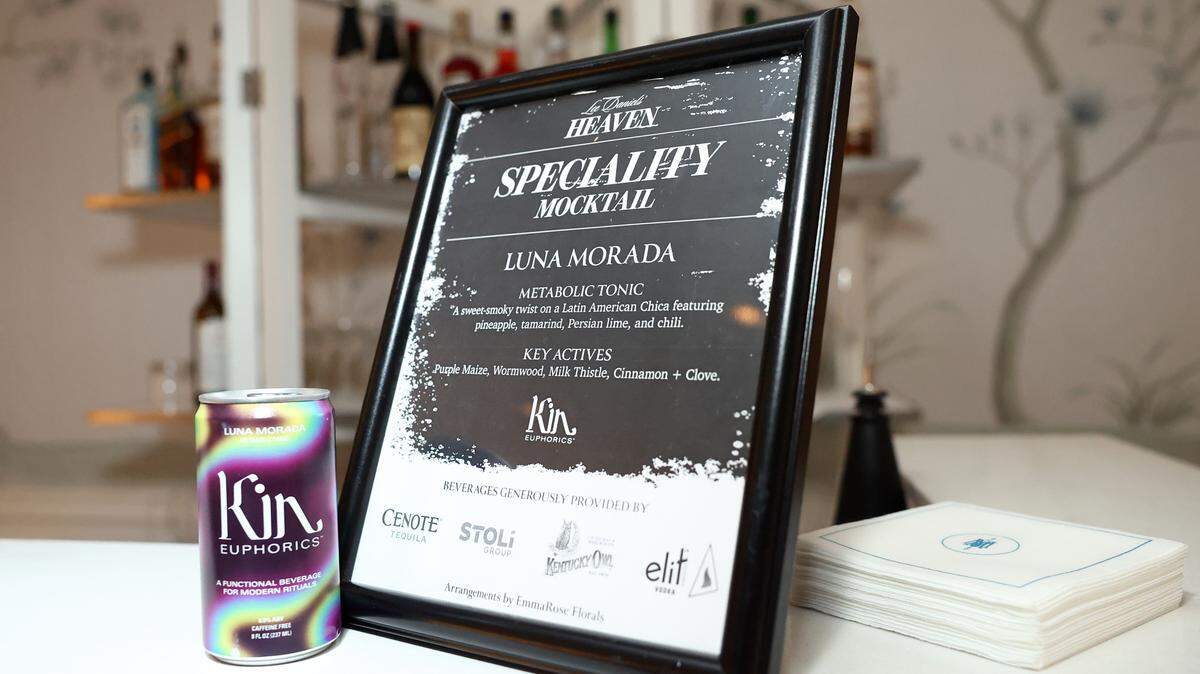
The non-alcoholic drinks aisle has changed. Pick up a bottle from a so-called “functional” brand, and the label reads less like a recipe and more like a wellness manifesto — adaptogens, nootropics, botanicals, mushroom extracts, amino acids. Mocktails are no longer just booze-free cocktails. They are being marketed as something you sip to manage stress, sharpen focus or unwind without a hangover.
That shift matters because the words on the label are doing real persuasive work. Before you pay $8 for a can that promises calm or clarity, it’s worth knowing what those terms actually mean — and what the science says they can and cannot do.
How Adaptogens Work in Mocktails
Adaptogens are a class of plant compounds known for helping the body resist the effects of physical, emotional and environmental stress. The term was coined in 1947 by Soviet toxicologist Dr. Nikolai Lazarev, who defined them as “substances that cause non-specific resistance of the living organisms.” He formulated the concept while studying how Schisandra chinensis, a plant used in traditional medicine, helped the body resist extreme fatigue.
They work primarily by modulating the hypothalamic-pituitary-adrenal (HPA) axis and balancing stress hormones like cortisol. The idea is to build resilience without the peaks and crashes of caffeine. The catch: adaptogens are tied to long-term use. They may take weeks or months to register an effect. Common examples in mocktails include ashwagandha, rhodiola rosea, ginseng, holy basil and reishi mushroom.
How Nootropics Differ from Adaptogens
Nootropics are substances used to support cognition and brain health — memory, learning, focus, mood and mental energy. The term was coined in 1972 by Dr. Corneliu E. Giurgea, a Romanian psychologist and chemist, who built it from the Greek nóos (“mind”) and tropḗ (“a turning or bending”). Giurgea created the word after synthesizing piracetam, a compound he developed while searching for a sleeping aid that ended up improving memory and learning instead.
Unlike adaptogens, nootropics are tied to short-term use — the kind of boost meant to help you focus through an exam or a presentation. They can be plant-derived or synthetic. In mocktails, you’ll most often see l-theanine, lion’s mane mushroom, lemon balm and ginkgo biloba.
Where Botanicals Fit In
Botanicals are the broadest umbrella here. The term covers any plant substances — roots, mushrooms, herbs — used for health purposes. Adaptogens and nootropics are both considered subsets of botanicals, though nootropics can also be synthetic. Some botanicals possess both nootropic and adaptogenic properties at once, which is why the categories blur on a label.
Popular brands including Kin Euphorics, Hiyo, Recess and Curious Elixirs often intentionally layer all three categories together — partly for flavor complexity, partly for what they market as functional depth.
What to Know Before You Sip
Many people report positive effects from these ingredients, but the results are highly variable and depend heavily on a combination of individual biology and product quality. Most botanicals on the market are safe as supportive aids, but they are not verified as cures for any specific health conditions.
For more information: London, New York and 6 More Cities Lead the World’s Best Zero Proof Bars for Sober-Curious Travelers
There are also groups who should be more cautious. Pregnant women and people with autoimmune disorders or who take blood pressure or thyroid medications should evaluate carefully before adding adaptogens or nootropics to their routine. As with any supplement, talk to your doctor first — even when it arrives in a pretty can.
Information regarding health and well-being is provided for awareness, education and general information. Health benefits of various medicines, diets, weight-loss strategies and foods are the opinions of the authors and/or those they interviewed, and there may be differing views on many of the topics covered, including evolving research, opinions, benefits and efficacy. This article is meant to inform the general reader and is not a substitute for medical advice from a physician or nutritional advice from a dietitian and/or nutritionist. Please refrain from starting, stopping or consuming any medication or regimen without the supervision of a trained physician. Please beware that in this emerging field of research, medications could cause adverse effects and problems not reported here. Please consult a doctor if you have chronic ailments or feel adverse side effects after starting a drug, nutrition or weight-loss regimen, and do not ingest, inject or otherwise use items to which you have sensitivities or may be allergic. Readers should consult a licensed health care professional who knows their personal medical history on matters relating to their health and well-being, including being aware of potential interactions with medications they are taking and conflicts with other wellness-related goals. Patients seeking treatment for weight loss should consult a physician trained in management of overweight or obesity.
This article was created by content specialists using various tools, including AI.