
Foods of Yore: Why cooking with lard went out of style
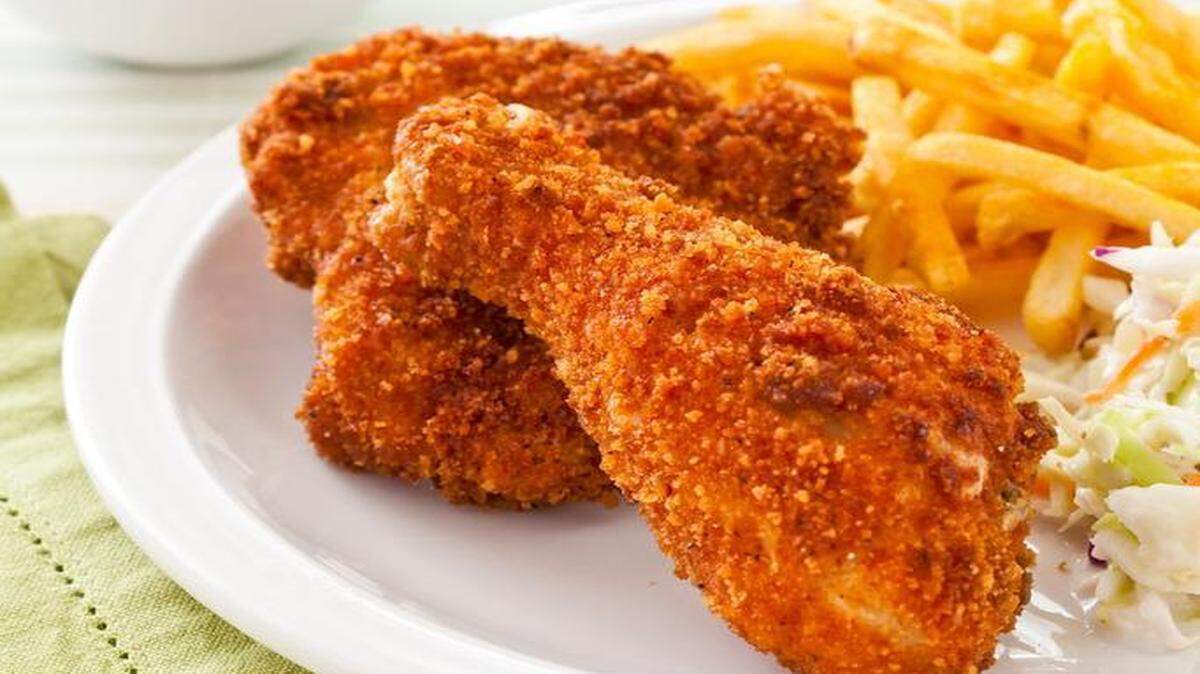
Until late in the 19th century, leaf lard — which is made from the fat of a pig — was a bedrock staple of the American kitchen. No respectable cook (who didn’t have dietary restrictions concerning pork, that is) would think of making a pie crust without it, and it was the number one frying medium.
Oh, how times have changed: Today, most people respond to the word lard with a sour face and a “yuck.” So what happened?
Well, to begin with, the decline of the family farm (no pig, no lard) paralleled the rise of commercial food production. Beginning in the mid-19th century, Americans got busy making peanut oil, then corn oil and shortening, and finally soybean oil. In the 1950s, doctors dealt lard a near deathblow when they linked cholesterol with heart disease.
But culinary historian Alice Ross has speculated that prejudice also helped push lard off our tables. Many Americans looked down on poor folk (and immigrants) and by extension their foods: Think garlic, oxtails — and lard.
Such foods were considered “coarse and unhealthy,” Ross wrote in the Journal of Antiques and Collectibles, “particularly when seen against the then-current fad for ‘delicate’ and ‘dainty’ dishes.”
Ironically, today lard is making a comeback as a specialty ingredient found in high-end butcher shops — and doctors say that it’s healthier than shortening after all.
To get the recipe for Barberton Fried Chicken, go to bit.ly/ctbarberton. The link will expire in 1 week.
Food of Yore, produced by America’s Test Kitchen, offers tidbits of cooking through history. Visit www.americastestkitchen.com.
Bake it better
Learn how to perfect your baking with step-by-step how-tos produced by America’s Test Kitchen, www.americastestkitchen.com.
This story was originally published June 30, 2015 at 4:00 AM.