
Cookbook Preview: Canal House authors take a seasonal approach to cooking with homemade vinegar
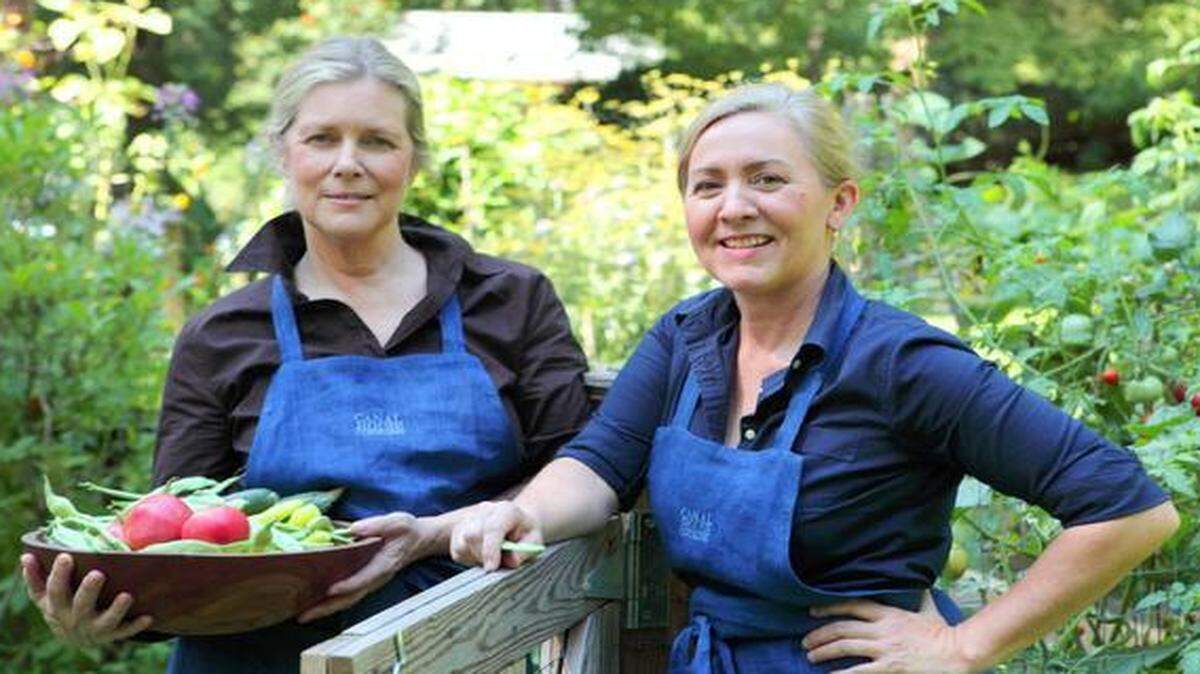
Melissa Hamilton is a renowned food stylist who worked at Saveur as a test kitchen director and food editor. Christopher Hirscheimer is an award-winning photographer and a founder of Saveur. Together the women founded Canal House, a studio, workshop, dining room, office and kitchen they work from.
“Canal House Cooks Every Day” ($45) takes a seasonal look at everyday home cooking that has been featured in O, Bon Appetit and The New York Times.
This excerpt is from the March chapter:
“A few years ago while visiting a friend we noticed a wide pretty crock covered with a gauzy linen cloth on her kitchen counter. Intrigued, we inquired about it. ‘Oh, I am making vinegar. A friend gave me a piece of mother allegedly grown from the original mother that Paula Wolfert brought back from France in the 1970s. (This story did not turn out to be totally accurate, but we like to believe it anyway — it makes the vinegar taste better.) Want a piece to start making your own?’ Well, of course we did.
“Good ordinary red-wine vinegar is hard to find. The kind sold in grocery stores is harsh and too acidic. Specialty food stores have fancy balsamicos and flavored vinegars, but often there is no unflavored red-wine variety to be found — guess it’s not sexy enough. So we decided to make our own, for the fun and satisfaction of it, and because we love its sparkling bright, fresh flavor.
“Our friend fished out the gelatinous vinegar mother from the crock, cut off a piece, and put it in a jar with a splash of wine mixed with water — and we were on our way. The ‘sainted mother’ came with three pages of instructions, including cautionary advice: Don’t swamp the mother when feeding it, or it will die! If your vinegar smells like furniture polish, throw it away! But we are more intuitive than technical. So we approached vinegar-making our way. And boiled down the instructions to this:
“Beg, borrow, steal, or buy a piece of mother. Put it in a clean 1-gallon crock, glass or plastic container with a wide mouth. Add a bottle of good red wine and 2 cups of water. Drape a double-layered piece of cheesecloth over the top and secure it with a big rubber band to keep out dirt and bugs and let in air. Stash it in a quiet, cool, dark corner. Then over the next two months feed every now and then with leftover red wine — we’ve even used white wine. Take care to gently push the mother aside as you pour in the wine. After about three months of feeding and tending, it should taste like vinegar. Then you can strain it and either pasteurize it, which will keep the mother from growing, or pour it into clean bottles and allow it to age and mellow.
“We honored our responsibility and began to leave at least a glass of wine in every bottle to share with the vinegar. Once when we’d forgotten to feed ‘poor mother,’ we poured a bottle of 2007 Meredith Estate Pinot Noir in to make up. And we were forgiven; the vinegar kept coming. Since most things are about the same big thing, we try to learn lessons from everything. Making vinegar reminds us of friendship — you pay attention to what it needs and take care of it, and it grows and transforms into something beautiful.”
Roast Chicken and Bread Salad
This is a terrific “leftover” lunch. Using some of last night’s roast chicken and a half loaf of stale bread, you can eat like a king. Loosely based on panzanella, the Italian tomato and bread salad, it’s our version for winter, when a good ripe tomato is but a dream.
Makes 4 servings
For the vinaigrette:
1 clove garlic
2 tablespoons red-wine vinegar
Juice of 1/2 lemon
1/2 cup really good extra-virgin olive oil
Salt and pepper
For the salad:
4 cups roughly torn bite-size pieces of good country bread
5 tablespoons extra-virgin olive oil
Salt and pepper
1 pound roasted chicken meat, coarsely shredded
1/2 cup chopped fresh parsley leaves
To make the vinaigrette: Use a Microplane to grate the garlic into a large bowl. Stir in the vinegar and lemon juice. Slowly pour in the olive oil, whisking constantly. Season with salt and pepper, then taste the vinaigrette and adjust the seasonings.
To make the salad: Preheat the oven to 400 degrees. Toss the bread and the olive oil together in a large bowl until well-coated, then season with salt and pepper. Spread the bread out in a single layer on a baking sheet and bake until golden, 10 to 12 minutes.
Add the toasted bread to the bowl with the vinaigrette and toss together. Add the chicken and parsley, and gently toss. Adjust the seasonings. Divide the salad between 4 plates and drizzle a little really good extra-virgin olive oil over each salad.
Per serving: 638 calories (66 percent from fat), 47 grams total fat (7 grams saturated), 66 milligrams cholesterol, 24 grams carbohydrates, 30 grams protein, 337 milligrams sodium, 1 gram dietary fiber.
Treviso With Mustard Vinaigrette
We have a taste for deliciously bitter Italian red chicories — round radicchio di Chioggia, elongated radicchio di Treviso, and the flowerlike tardivo, which is only available during the winter months.
Use a wooden spoon to mash together 1 small garlic clove, salt, and pepper in the bottom of a wooden salad bowl. Stir in 1 tablespoon Dijon mustard and 1 tablespoon red-wine vinegar. Whisk in 6 to 8 tablespoons really good extra-virgin olive oil. Taste the vinaigrette and adjust the seasonings. If the vinaigrette is too thick, add a splash of water.
Halve 2 heads radicchio, Treviso or tardivo lengthwise and arrange the leaves on a serving platter. Spoon the dressing over the leaves and garnish with chopped fresh chives.
Source: “Canal House Cooks Every Day” by Melissa Hamilton and Christopher Hirscheimer/Andrews McMeel Publishing
This story was originally published March 17, 2015 at 7:00 AM.