
Sunscreen reapplication over makeup is changing: Here’s what your routine should look like
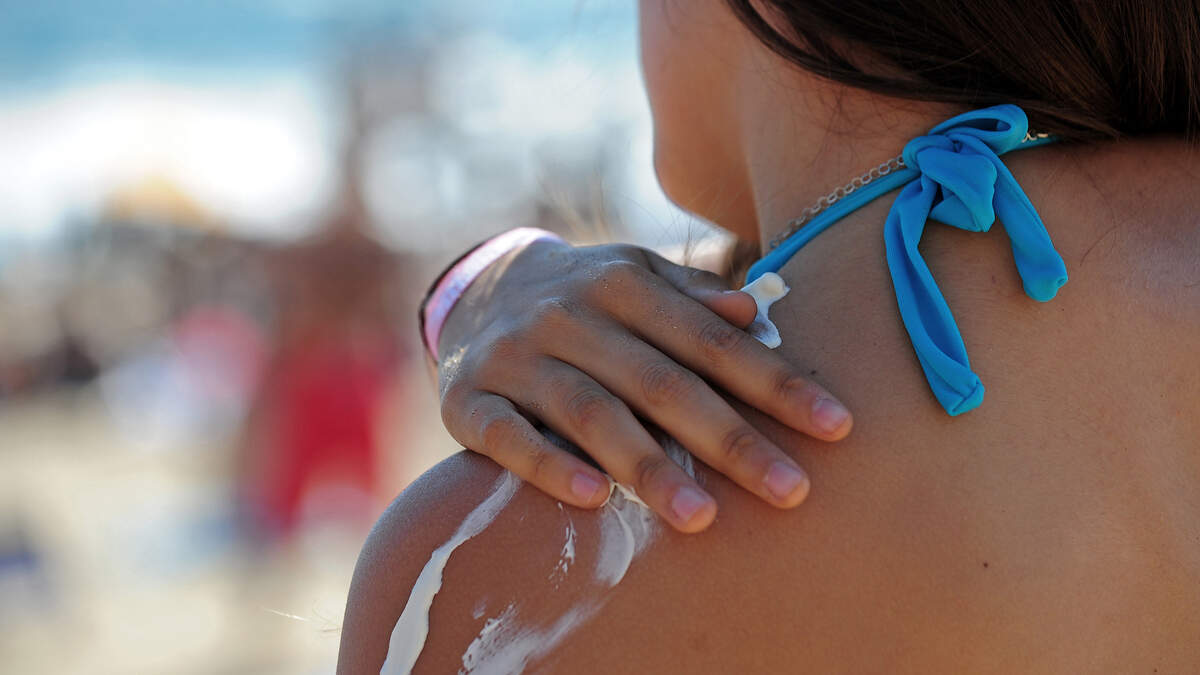
Reapplying sunscreen throughout the day is one of the most important things you can do for your skin, but if you’ve spent 20 minutes on a full face of makeup, the idea of slathering on more lotion feels counterproductive. The good news is that dermatologists and makeup artists have figured out how to keep your SPF topped up without wrecking your foundation, blush or setting spray.
Here’s what the experts recommend, why midday reapplication matters and the tools that actually work over a finished face.
Why sunscreen reapplication matters, even indoors
Sunscreen isn’t a one-and-done product. It breaks down, rubs off and absorbs into the skin over the course of a day, which means the protection you applied at 7 a.m. isn’t the protection you have at noon. And UV exposure doesn’t stop when you’re inside or in the car.
“Sunscreen efficacy decreases over time. As it rubs off or gets absorbed into the skin, it won’t provide as much protection as when you initially put it on,” Lily Talakoub, MD, a dermatologist at McLean Dermatology and Skincare in Virginia, told SELF. “As long as there’s daylight, you’re getting exposed to UVA rays, which can even penetrate through your car or bedroom window.”
That’s the case for reapplication, and the case for finding a method that works with your makeup routine, not against it.
SPF powder, the low-effort touch-up
Powder sunscreens have become a go-to reapplication tool because they layer over makeup without disturbing it. They typically come in a brush applicator, which makes them easy to swipe on at your desk, in the car or on the go. The key is using enough product and covering the whole face evenly, since a light dusting isn’t going to cut it.
Board-certified dermatologist Marisa Garshick, MD, told Women’s Health to “gently brush the powder over your face, spending at least 15 seconds per quadrant of the face to ensure adequate application.”
Translation, don’t rush it. Divide your face into four sections and spend real time on each one.
The makeup sponge method for liquid SPF
If you already love your liquid or cream sunscreen and don’t want to buy a separate product for reapplication, a makeup sponge can bridge the gap. Blotting SPF on top of makeup, rather than rubbing it in, lets you add a protective layer without smearing your foundation or concealer.
Ashley Rebecca, writing for Byrdie, explains the technique. “Using a sponge or Beautyblender to blot your regular sunscreen on top of your makeup is also a suitable and efficient option for reapplying your SPF. To do this, add your regular liquid or cream SPF to a sponge and lightly blot all over the face until it’s been absorbed and each area is covered.”
The blotting motion is what makes this work, since dragging the sponge will lift your makeup right off.
Setting sprays and SPF mists
Spray-on SPF might be the closest thing to a genuinely effortless reapplication method. Setting sprays that include sunscreen let you refresh your makeup and your sun protection in one step, while dedicated SPF mists deposit product on the skin without any rubbing or blotting required.
Board-certified dermatologist Josh Zeichner told E! News, “I find that sunscreen after your makeup can be a challenge. Setting sprays with SPF are a great option. Alternatively, sunscreen sprays or mists can be essentially airbrushed onto the skin without disrupting the work you spent putting your makeup on.”
One caveat with any spray is that you have to use enough for it to matter. A quick spritz across the face isn’t equivalent to a full application.
Clear sunscreen sticks for targeted touch-ups
Clear sunscreen sticks are having a moment, and for good reason. Most use transparent chemical UV filters or clear synthetic ingredients, so they glide on without the white cast that mineral formulas can leave behind. Because they’re solid, they’re less prone to dripping, smearing or requiring the kind of rubbing that would disturb your makeup.
Sticks are especially useful for hitting the spots that need the most protection, such as the tops of your cheeks, the bridge of your nose and your forehead, without committing to reapplying everywhere.
How to apply a sunscreen stick over makeup
- Make sure your makeup has fully set before starting.
- Gently glide the stick across the skin using light pressure.
- Avoid dragging it back and forth repeatedly, which can lift foundation.
- Pat lightly with clean fingertips or a makeup sponge to blend any shine.
The pat-to-blend step is the one people skip, and it’s what keeps the finish from looking greasy or streaky.
Building a reapplication routine that sticks
The best sunscreen reapplication method is the one you’ll actually use. If you’re at a desk all day, an SPF powder tucked in your bag makes midday touch-ups painless. If you’re outside for extended periods, a mist or stick may be faster and more thorough. Some people combine methods, using a powder for indoor days and a stick for the beach.
Whatever you pick, the goal is consistency. A perfectly reapplied sunscreen you use once a week is less protective than an imperfect one you use every day.
This article was created by content specialists using various tools, including AI.
This story was originally published July 2, 2026 at 12:54 PM.