The truth about turkey tail mushrooms for dogs: Are they a miracle cure or misconception?
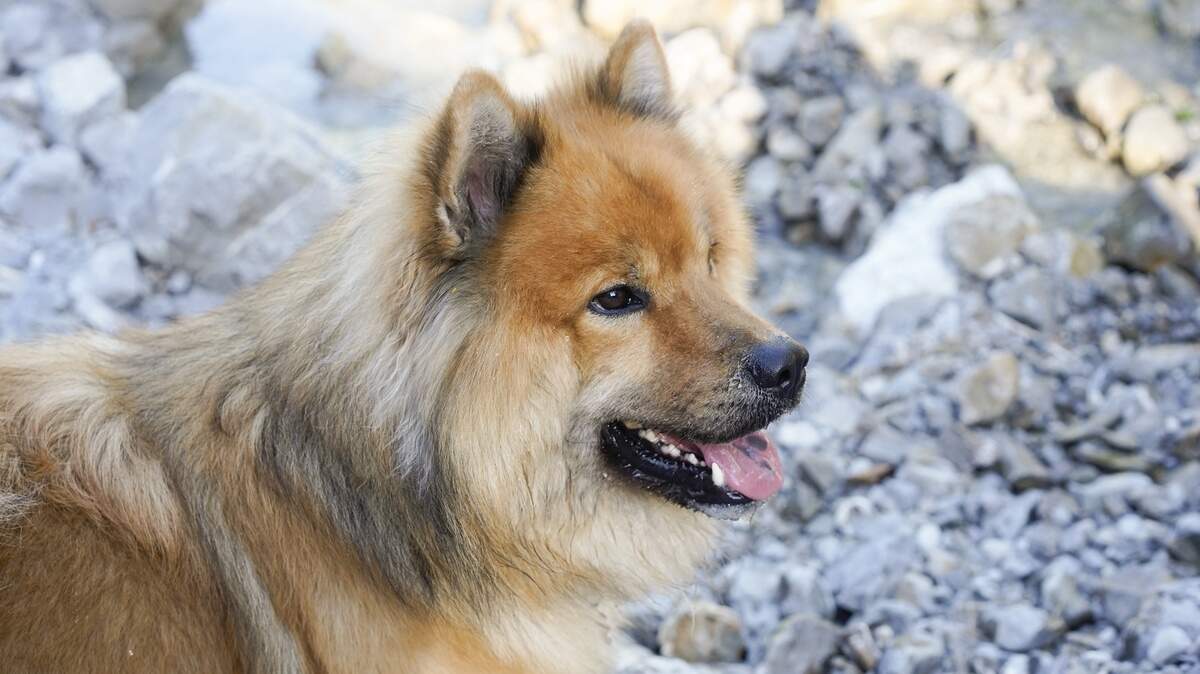
A viral wellness trend has dog owners asking whether turkey tail mushrooms can really shrink their pets’ fatty lumps. Social media is full of testimonials, but veterinarians and researchers tell a more complicated story about what this fungus can and cannot do.
Turkey tail grows on dead logs and tree stumps in overlapping layers that resemble a wild bird’s plumage. It contains two bioactive compounds, polysaccharide-K and polysaccharide-peptide, which contain beta-glucans believed to support immune function and act as antioxidants, according to Milo Naturals.
Where the Lipoma Claim Comes From
Online posts have spread the idea that the mushroom can shrink lipomas, the benign fatty tumors that commonly form under a dog’s skin.
Patton Veterinary Hospital was blunt on its website. “Recent online posts suggest that turkey tail mushroom helps shrink benign fatty tumors called ‘lipomas’ in dogs. These claims are completely unfounded. There is NO scientific research to support turkey tail having any effect on lipomas in dogs. Any reduction in tumor size is anecdotal and may be due to a variety of reasons including weight loss. And, while a lipoma may decrease in size, it is unlikely to completely go away unless surgically removed.”
Canine Ceuticals offered a softer take. “Turkey Tail is unlikely to directly reduce or dissolve existing lumps. However, it may provide indirect support by helping regulate immune function and cellular signalling. Its bioactive compounds support immune surveillance and balanced immune responses, which may help the body better manage abnormal tissue changes over time.”
What Research Shows About Cancer in Dogs
While there is no evidence that turkey tail shrinks tumors, the mushroom has drawn real scientific interest as a complementary therapy for serious illness. A 2012 pilot study at the University of Pennsylvania School of Veterinary Medicine found that dogs with hemangiosarcoma treated with a polysaccharopeptide extract from turkey tail, sold under the brand name I’m-Yunity, experienced delayed metastasis and longer survival times than expected. The study was small, and follow-up research has not yet confirmed those results with the same strength.
Cats have received even less attention. A 2023 laboratory study found that turkey tail extract showed activity against Toxoplasma gondii, the parasite behind toxoplasmosis, but clinical evidence in cats remains thin.
Dr. Rob Silver, a holistic veterinarian and medicinal mushroom expert, told the American Kennel Club that fungi long used as food often double as medicine. “Many of the mushrooms that are used for medicinal purposes are among some of the most prized edible species, such as shiitake, button, cremini, portobello, and oyster, maitake, lion’s mane, and cordyceps. They have been edible for thousands of years and have stood the test of time.”
How to Use Turkey Tail Mushrooms Safely
Pet owners considering the supplement should start low and move slowly. But they should also consult with a veterinarian for more information. Dr. Ruth Roberts warns that mild digestive upset is the most common side effect, especially when the mushroom is introduced too quickly.
“Avoid turkey tail mushrooms for pets with mushroom allergies or those with known hypersensitivities,” Roberts said. “Additionally, always discuss any supplement with your veterinarian, especially if your pet is on medications or has a pre-existing health condition.”
She recommends organic powdered extracts or capsules formulated specifically for pets, mixed into food or given directly. Dog owner Dana Scott credits the supplement with helping her dog Audrey live more than a year with hemangiosarcoma, beating odds that leave only 12% of affected dogs alive past 12 months, she told Dogs Naturally Magazine in March 2022. Dr. Noel’s Mushroom Powder notes that the mushroom’s antioxidants may help reduce oxidative stress in animals fighting cancer, though no supplement replaces conventional veterinary treatment.
This article was created by content specialists using various tools, including AI.