
Inside the toxic-free cleaners that promote a healthier home beyond just removing dirt and grime
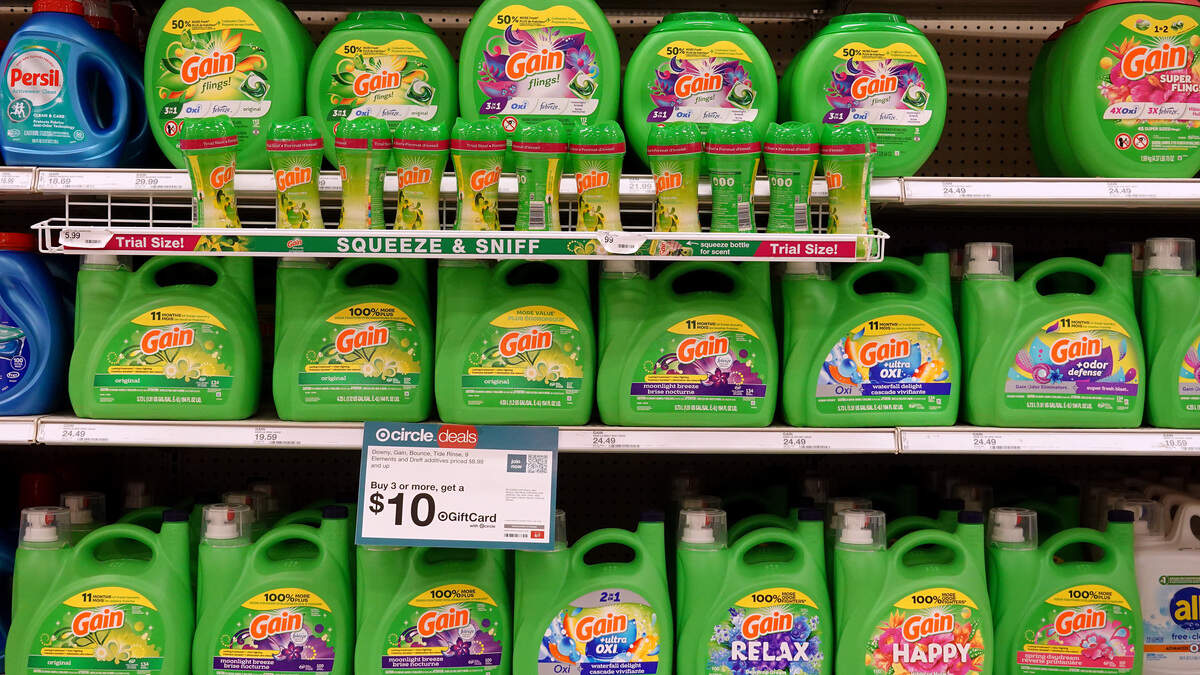
Shoppers searching for safer home cleaning products want to know which swaps make a real difference for indoor air, surfaces and family health. Experts point to a short list of non-toxic staples and a few ingredients worth avoiding.
What home cleaning products do experts recommend for a healthier environment?
Experts recommend swapping conventional cleaners for non-toxic basics like white vinegar, baking soda and hydrogen peroxide, alongside fragrance-free formulas and plastic-free dishwasher tabs.
Editors at The Good Trade write, “Cleaning products are essential and something we use daily in our homes. As we spray, wipe, and scrub to help keep our spaces sparkling, the chemicals used in our cleaning products linger on our surfaces and vaporize into the air. Over time, exposure to these harmful chemicals can cause irritation, allergies, or worse (and when rinsed down the drain can also wreak havoc on aquatic life).”
That daily exposure is the reason nontoxic alternatives have become a bigger part of how households think about safety, especially for families with kids and pets.
Is white vinegar effective as a natural cleaning product?
Yes, white vinegar works as a natural anti-fungal, antibacterial, whitener and deodorizer, making it a flexible base for do-it-yourself cleaners.
Ken Doty, COO at The Maids, told Kristin Granero at Yahoo, “White vinegar is a natural anti-fungal, antibacterial, whitener and deodorizer, making it one of the most versatile ingredients in eco-friendly cleaning products. It can be mixed with water, baking soda and other ingredients to create stain removers, degreasers and more.”
Combined with water or baking soda, it handles stains, grease and odors across most washable surfaces, which is part of why it anchors so many DIY cleaning recipes.
Can hydrogen peroxide replace bleach for home cleaning?
Hydrogen peroxide can replace bleach on most everyday surfaces, but bleach is still the stronger option when the job involves porous materials or mold.
Karina Toner, operations manager at Spekless, told Ciera Cree at Homes & Gardens, “Hydrogen peroxide can be safely used on most surfaces, including natural stones, wood, and fabrics, without causing damage. However, when it comes to larger cleaning jobs or tougher ones such as tackling mold, the product may not penetrate porous surfaces as deeply as bleach. Using bleach to kill mold is a more suitable choice.”
For routine disinfecting around the house, peroxide offers a gentler alternative without the harsh fumes that come with chlorine bleach.
What cleaning ingredients should you avoid for better indoor air quality?
Avoid products that contain ammonium quaternary compounds, formaldehyde-releasing preservatives, bleach and added fragrance if indoor air quality is a priority.
Sydney Cook with Consumer Reports says, “some ammonium quaternary compounds, which are commonly used as disinfectants, are linked to reproductive harm in animal studies, as well as asthma and irritation. Some ingredients can also have a negative impact on household air quality. Formaldehyde, which can be released from some preservatives and is linked to cancer, and bleach, which is used to kill germs and is associated with asthma, can be released into the air from cleaning products.”
Cook also suggests going fragrance free, writing, “Because the components of a fragrance are not always required to be listed on labels, fragrances can contain hundreds of hidden ingredients, many of which have been associated with a host of health problems, including endocrine disruption, cancer, and developmental toxicity. Plus, fragranced cleaning products can also contribute to indoor air pollution.”
Why does baking soda work so well for odors and grease?
Baking soda neutralizes odors instead of masking them, binding with the compounds that actually cause smells rather than covering them up.
That makes it especially useful for fridges, trash cans and drains, where smells tend to settle in. It is non-toxic and food-safe when used as directed, which is why it shows up in so many natural cleaning routines around kitchens, kids and pets.
Beyond odors, baking soda cuts through grease buildup, giving it a second role as a mild scrubbing agent. Paired with white vinegar, it forms the foundation of many of the homemade cleaners experts recommend for a healthier home.
This article was created by content specialists using various tools, including AI.