How to treat contaminated water while traveling and what the CDC recommends for staying safe abroad
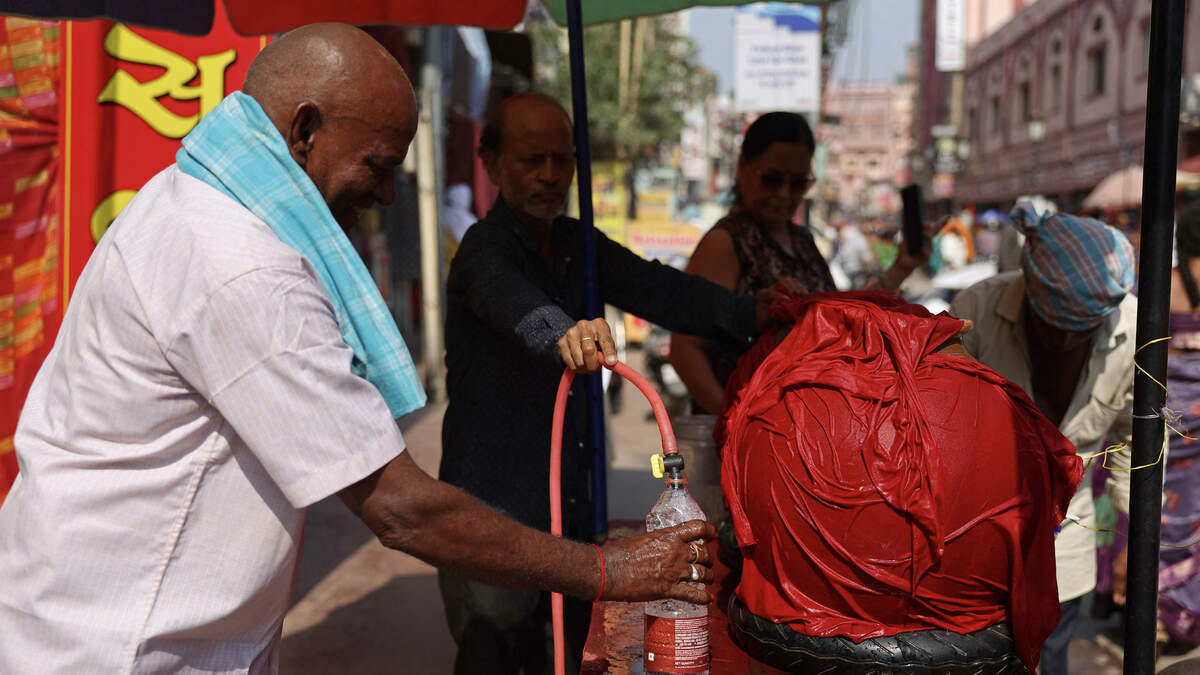
You’ve been planning this trip for months. Then a few days in, a single glass of water or a stray ice cube sends you straight back to the hotel bathroom for the rest of the vacation. It’s one of the most common ways a trip abroad falls apart, and it catches seasoned travelers as easily as first-timers.
Contaminated water is usually the culprit, and the frustrating part is that it can look perfectly clean while still carrying the bacteria, viruses, parasites and chemical pollutants that make you sick. The good news is that a little know-how goes a long way toward keeping you healthy on the road.
Why contaminated water abroad can make you sick
The contamination of water often comes down to infrastructure. In many places where treatment and sanitation are inadequate, tap water can hold bacteria, viruses, parasites and chemical contaminants with no change in how it looks or tastes.
University Hospitals advises travelers to assume that all water in developing countries is unsafe, noting that even a luxury hotel may share the same water and sewage system as a poor neighborhood nearby.
The risk isn’t limited to drinking. According to the CDC, you can get sick from water used for cooking, washing food, preparing drinks, making ice or brushing your teeth. Contact alone, like wading or swimming, can also cause illness.
Some travelers face higher stakes than others. Infants, young children, pregnant women, older adults and immunocompromised travelers are especially susceptible and should take extra care.
How to treat or purify contaminated water when traveling
When safe bottled water isn’t available, several methods can lower the risk. The CDC outlines four main approaches, each with its own strengths and limits:
- Boiling: The most reliable way to kill viruses, bacteria and parasites. Bring water to a full boil for one minute then let it cool before drinking or using. If you can’t boil, run the tap at its hottest setting for a while and let the water cool first.
- Disinfection: When boiling isn’t possible, mix a small amount of unscented household chlorine bleach or iodine into filtered water. This is a short-term fix only and shouldn’t be used for more than a few weeks. People who are pregnant, have thyroid problems or have an iodine sensitivity should avoid iodine-treated water.
- Filtration: Most portable filters won’t catch viruses or bacteria, but one certified to NSF Standard 53 or 58 with a small enough pore size can remove parasites. The best water purifier for traveling abroad is often a reverse osmosis filter, which removes bacteria, viruses and even salt.
- UV light: Ultraviolet light can kill some pathogens in clear water at the right dose, but it doesn’t work in cloudy water because particles shield germs from the light.
No method is completely foolproof, so avoiding contaminated water remains the safest strategy. A factory-sealed bottle is the best option for most travelers, though in some destinations used bottles are refilled and resealed with glue or wax.
“I inspect each cap carefully,” Shanina Knighton, who teaches at Case Western Reserve University’s nursing school, told Forbes. “If the seal looks suspicious, I do not drink it.”
Food and drink safety: avoiding water contaminants
Food prepared with unsafe water carries the same water contaminants as the water itself. A few habits lower the risk at the table:
- Ice: Skip it unless you’re confident it was made with safe water. The alcohol in a drink won’t kill anything frozen into the cubes, so ask for beverages served without ice.
- Fountain and iced drinks: Anything mixed with tap water can be unsafe. Bottled or freshly boiled options are safer.
- Fruits and vegetables: Fruit you can peel yourself is safest after rinsing with safe water. Rinse vegetables with safe water before cooking.
- Salads: Fresh salads are often rinsed in tap water and are best avoided.
- Raw and unpasteurized food: Raw or undercooked meat, fish, shellfish and eggs, along with unpasteurized milk, dairy and juices, are especially likely to be contaminated.
When in doubt, stick to food that is cooked and served steaming hot. Tea and coffee made with freshly boiled water are generally safe choices.
When to swim and when to avoid contaminated water
You don’t have to drink water for it to make you sick, and any contact with contaminated water can be risky. The CDC recommends avoiding swimming or wading near storm drains, in water that may carry sewage, in lakes or rivers after heavy rain or in warm seawater if you have open cuts or wounds.
There’s also a courtesy rule. Don’t swim if you have diarrhea, since you can contaminate the water and make others sick.
Traveler’s diarrhea from the contamination of water
Traveler’s diarrhea is the most common illness tied to unsafe water. It affects up to 70 percent of international travelers, according to the CDC, with bacteria behind most cases and viruses and protozoa accounting for the rest.
Symptoms tend to come on suddenly, during the trip or just after returning home. They include three or more loose stools a day, urgent bathroom trips, cramps, nausea, vomiting and a low-grade fever, and they usually clear within three to five days.
What to do if you get sick: travel safety tips
Rehydration is the priority. Replace lost fluids and electrolytes using only beverages that are sealed, boiled or otherwise purified. For heavy fluid loss, oral rehydration salts are best and are sold in pharmacies across most low- and middle-income countries.
For symptom relief, antimotility drugs like loperamide can reduce how often you go, but they aren’t recommended on their own for anyone with a fever or bloody diarrhea. See a doctor if you have a fever above 101 degrees, blood or mucus in your stool, or diarrhea that lasts more than five days.
This article was created by content specialists using various tools, including AI.