Why does your gut feel worse when you travel? The real science behind it and how to fix the problem
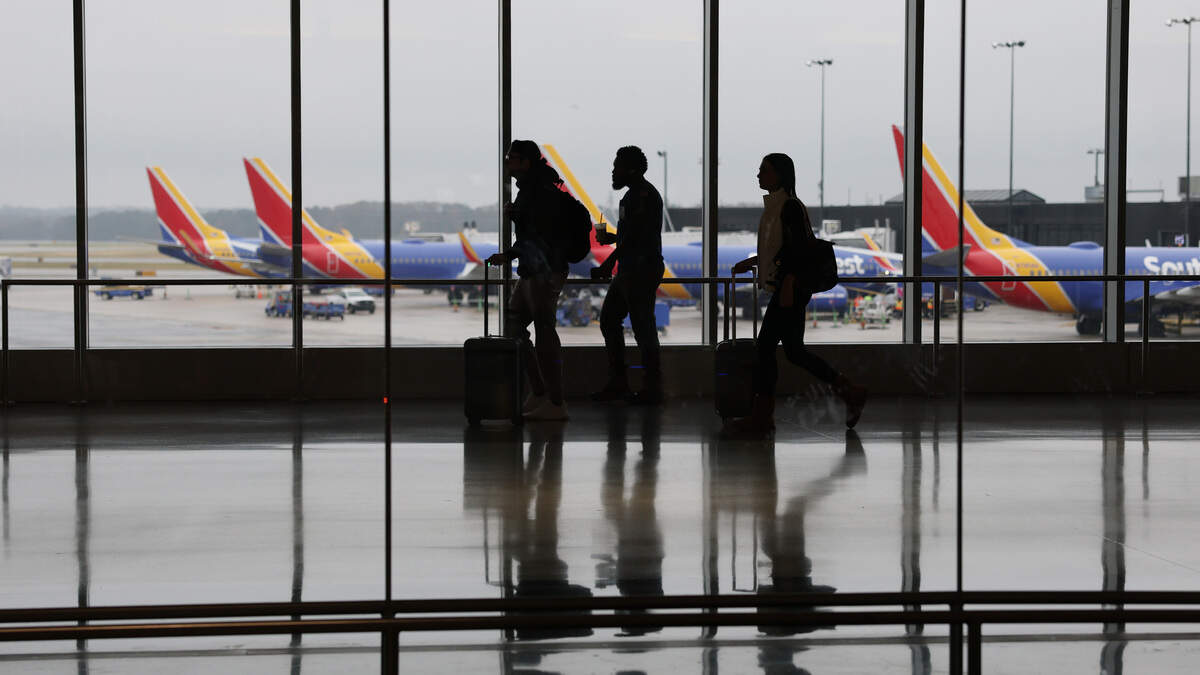
Travel has a way of throwing your digestive system off balance. New time zones, disrupted sleep, unfamiliar food and long hours of sitting all add up — and your gut often feels the strain before you do.
From constipation and traveler’s diarrhea to bloating and indigestion, these issues are common, usually temporary and largely preventable with a little planning.
So, why do digestive problems happen when you travel? How can you prevent them? When should you see a doctor? Here’s what gastroenterologists want you to know about keeping your stomach settled on your next trip.
What are the most common digestive problems when traveling?
The three most common are diarrhea, constipation and indigestion. According to Harvard Health, travel disrupts the body’s natural rhythms — time changes, altered eating schedules, poor sleep — which upsets digestion, especially in people with already-sensitive guts.
Is traveler’s diarrhea really the most common travel gut problem?
No, but it is the issue most people anticipate. As Houston Methodist gastroenterologist Dr. Eamonn Quigley explains, “constipation is actually the more common gastrointestinal phenomenon that arises during travel,” and he points to travel as the leading cause of occasional constipation.
Why do I get constipated while traveling?
Travel constipation usually comes from several factors stacking up: dehydration, long hours of sitting, a disrupted routine, less fiber than usual and a scrambled internal clock from crossing time zones. Stress and cramped, shared bathrooms (which cause anxiety) can also keep you from fully emptying.
How do I avoid constipation when traveling?
Build up your fiber and fluids in the days before you leave, but don’t overload at once. Stay hydrated, keep moving rather than sitting for hours (when possible) and stick to your routine where you can. If you’re prone to it, ask your doctor about an extra laxative dose.
What is the connection between diarrhea and travel?
Diarrhea is one of the most common travel-related digestive complaints. It often stems from food or water contaminated with viruses, bacteria, or parasites, but stress or a change in environment can trigger it too. Expect loose, watery, urgent stools, usually with cramping when consuming unfamiliar foods.
How do I prevent traveler’s diarrhea?
Avoid contaminated food and water, and wash your hands often. In higher-risk regions, drink only sealed bottled water — even for brushing teeth — skip ice, eat food cooked and served hot, and peel or wash produce. Research your destination’s gastroenteritis risk before you go.
How long does traveler’s diarrhea usually last?
Most cases clear up on their own within a couple of days and are gone within about five days. Replace lost fluids with water and low-sugar electrolyte drinks. Harvard Health recommends seeing a doctor if it’s bloody, comes with severe pain or fever, or lasts more than a week.
Does cabin pressure cause gut problems?
Yes. Cabins aren’t fully pressurized, so the gas in your stomach expands at altitude and leaves you bloated. As Dr. Quigley puts it, the greater the pressure difference, “the more the air in your stomach is going to expand.” Persistent bloating can also contribute to constipation, especially on longer flights.
Why does crossing time zones affect digestion?
Your colon runs on a daily rhythm — quiet at night, active in the morning. Crossing several time zones throws that internal clock out of sync, so your gut’s timing no longer matches your destination. The bigger the shift, the more it can disrupt motility and trigger constipation.
Can stress cause travel digestive issues?
Yes. Stress reaches the gut directly and can send it either way — diarrhea or constipation — or cause incomplete bowel movements. The cramped, shared airplane bathroom adds its own pressure, and once you’re constipated, fixating on the problem only makes it worse.
Does alcohol make travel gut problems worse?
Yes. Alcohol doesn’t hydrate you — it actually dehydrates you, and dehydration is a known risk factor for constipation. Don’t count alcohol toward your daily fluids and go easy on carbonated mixers and sodas, which add to bloating.
How can I prevent digestive issues while traveling?
Plan ahead: eat enough fiber and balanced meals, drink steadily instead of rationing and skip gassy foods before flying. Eat smaller, slower meals, limit alcohol and carbonation and pack your usual GI meds. In high-risk areas, stick to hot cooked food and sealed water.
Why is fiber so important when traveling?
Fiber keeps stools soft and easier to pass, which helps counter travel constipation. Load up gradually in the days before your trip rather than all at once — a sudden spike causes bloating and gas — and always pair more fiber with more water.
What should I pack in a travel gut kit?
Cover every base: an anti-diarrheal, a laxative or stool softener, an antacid or acid blocker and a gas remedy. Add electrolyte or low-sugar sports drinks for fluid loss, any prescription or daily GI meds you take and alcohol-based hand sanitizer as a backup.
What medications help with travel digestive problems?
For diarrhea: loperamide (Imodium) or bismuth subsalicylate (Pepto-Bismol). For constipation: polyethylene glycol (MiraLAX), a stool softener like docusate (Colace), or a bulk-forming agent (Metamucil, Citrucel). For indigestion: antacids, an H2 blocker (Pepcid) or PPI (Prilosec) for heartburn, and simethicone (Gas-X) for gas. Follow package directions.
What foods should I avoid before flying?
“Avoid eating foods that are most likely to cause gas, like onions and garlic, for about 24 to 48 hours prior to flying — since these take quite a while for your body to completely digest,” says Dr. Quigley. Also, go easy on carbonated drinks before boarding and avoid overeating, which raises your odds of indigestion.
When should I see a doctor about travel digestive problems?
Most travel tummy troubles pass on their own (diarrhea within five days, indigestion quickly and constipation within a day or two). See a doctor if diarrhea is bloody or comes with severe pain or fever, if loose stools last more than a week or if you’re relying on OTC indigestion remedies for more than a couple of weeks.
This article was created by content specialists using various tools, including AI.