
What the Rise of At-Home Wellness Retreats Means for the Future of Wellness Travel as Costs and Habits Shift
Luxury wellness retreats are dominating travel wish lists right now, but the price tag on jetting off to a spa resort has become tough to justify in 2026. The good news is that you don’t need a plane ticket to capture that restorative, intentional energy. A wellness retreat at home, built from clean spaces, daily rituals and a few thoughtful upgrades, can deliver many of the same benefits without the airfare, packing or post-vacation laundry pile.
The appetite for this kind of self-care is real. McKinsey’s 2025 Future of Wellness survey found that six in 10 people now rank healthy ageing as a top priority, and the Global Wellness Institute reports that wellness tourism is one of the fastest-growing segments in a $6.8 trillion (£5.5 trillion) industry. Recreating that experience in your own space is more accessible than the price of a destination spa would suggest.
Why a wellness retreat at home makes sense in 2026
Travel costs are the obvious driver. Cheri Young, an associate professor at the Fritz Knoebel School of Hospitality Management at the University of Denver, told Campus Insights Media that travelers should brace for sticker shock this year. “Travel is going to be expensive this summer and there’s no getting around it,” Young said.
Jet fuel is the main culprit. “Jet fuel is about 1/3 of the cost of sending a plane from point A to point B. So when jet fuel increases in price, it’s more expensive for the airlines and rather than reduce their profit margins, they will either attempt to charge more for tickets and or reduce expenses,” Young said. A staycation sidesteps that math entirely. You sleep in your own bed, skip the packing and still get the mental reset.
How to set the scene for a staycation at home
The first step is treating your home the way a hotel would treat an arriving guest, except you’re the guest. Clean and refresh every room, pack away clutter and unfinished projects, and change the sheets so the bedroom feels like a check-in. Small touches do disproportionate work here, with fresh flowers, new towels and a scented candle able to shift the energy of a familiar space in minutes.
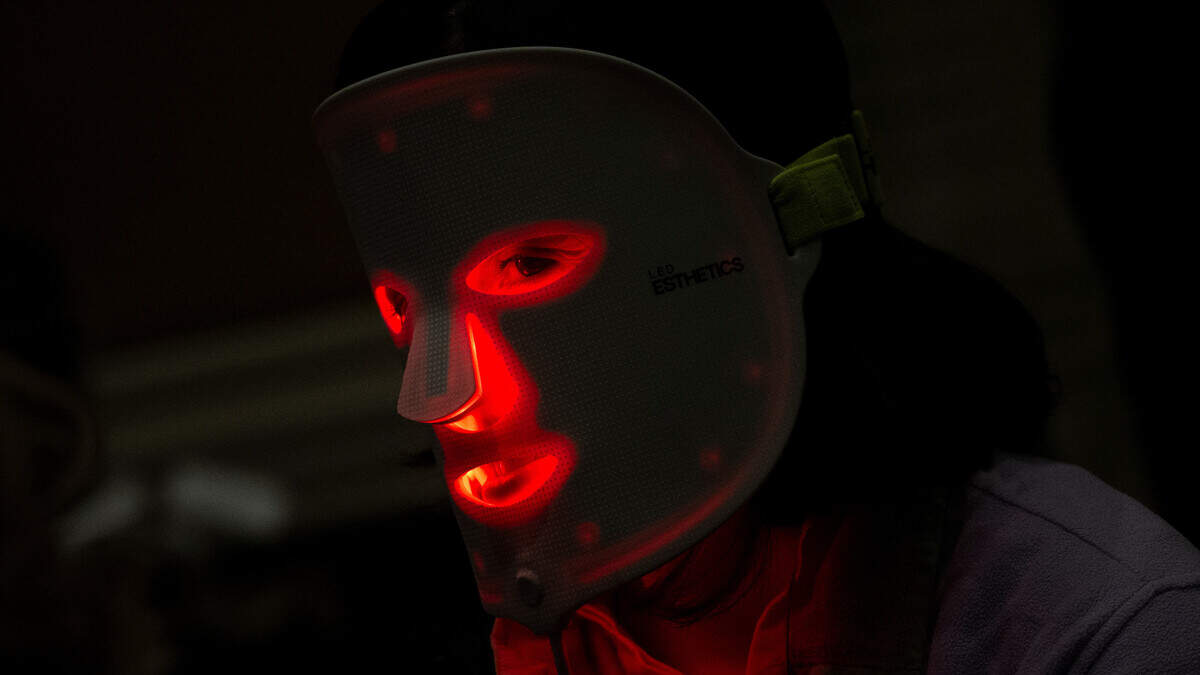
If you want to go further, consider a hybrid staycation. Booking a hotel in your own town pairs the familiarity of being close to home with the luxury of someone else making the beds. For at-home upgrades, red light therapy panels are widely available on Amazon at lower price points, and many local gyms, including Planet Fitness, now offer red light saunas. Layer in movement (a daily walk, gentle yoga), meditation or journaling, and a kitchen stocked with whole foods, water and tea.
Daily rituals that anchor the experience
Real retreats run on rhythm, and that’s the easiest piece to replicate. The structure matters more than the price tag.
- Screen-free mornings. Keep your phone off for the first hour of the day. Research from It’s Time To Log Off found the average person spends a full day each week online, 34% had checked Facebook within the previous 10 minutes and 62% of adults said they “hate” how much time they spend on their phones.
- Sunlight before screen light. A few minutes outside in the morning supports your circadian rhythm and lifts mood naturally.
- Conscious breathing and a daily intention. A few deep breaths and a single word like courage, focus or tenderness can carry the tone of the day.
- Eat for energy. Build plates around vegetables, proteins and healthy fats. It’s the easiest way to mimic retreat-style eating without a chef.
The bath ritual that delivers spa-level results
If you have a bathtub, a weekly soak is the single most effective ritual to lift at home. Candles, essential oils, salts and a sound healing playlist do most of the heavy lifting.
Ljiljana Matic, corporate wellness and spa director at Losinj Hotels & Villas in Croatia, told Forbes that even a shower can become a wellness experience.
“Your daily shower or bath into a relaxing wellness experience by alternating with hot and cold water in your shower to detox. Shower with warm water for one minute, then with cold water for 30 seconds. Repeat the cycle several times. Warm water will expand blood vessels and increase circulation, while cold water will contract the blood vessels and lower blood pressure. Make sure you start from feet up when switching from hot water to cold, or cold to hot. Not only will this alternating of hot and cold-water temperature increase circulation and wake you up, it relieves the body of toxins and reduces muscle inflammation,” Matic said.
For the bath itself, Matic offered a specific recipe. “Filling the bathtub with warm water - Add two tablespoons of olive oil with the same amount of honey and half a glycerine soap bar. Sprinkle rose petals, add a few drops of essential oil and light a scented candle for an indulgent bath that relaxes both mind and body.”
Turning your home into a sanctuary
Lee Woon Hoe, senior associate vice president and executive director of wellbeing at Banyan Tree Hotels & Resorts, told Forbes that wellbeing “is a life-long practice” rather than a one-week getaway. The way to honor that is to make your home itself feel restorative, starting at the front door.
“I place an aromatherapy diffuser near the door entrance. This is so that before I leave the house and return home from work day, I start each stage of my daily routine on an uplifting note. Visitors are also pleasantly surprised when they are greeted with a welcoming scent,” Woon Hoe said.
The bedroom is the other anchor. “I believe in ensuring quality bed linen, pillows and mattress. Every weekend, I will give my pillows a good dose of sun bathing, and wash and sun all linens. Come Sunday evening, I can enjoy and feel the fresh crisp bed linen, thus ensuring a good sleep and ready to start a new week. You can add a sleep enhancer pillow mist for an extra touch,” Woon Hoe said.
Finish the day the way you started it, without a screen. Swap pre-sleep scrolling for a book or magazine, dim the artificial light and let quality sleep do what it’s designed to do. That’s the part no retreat can outsource for you, and it’s the foundation everything else is built on.
This article was created by content specialists using various tools, including AI.
.jpeg)