Stop wasting money on fiber gummies and start eating these high-fiber foods instead
Fiber is one of the most talked-about nutrients in the wellness space, and for good reason. It supports digestion, helps regulate blood sugar, keeps you fuller longer and feeds the beneficial bacteria in your gut.
Yet most people aren’t getting nearly enough of it daily. And with so many products promising a quick fiber fix — from gummies to prebiotic sodas and fiber candy — it can be hard to know which sources are actually worth eating.
Whether you’re building a fiber-rich diet from scratch or just looking for smarter high-fiber snacks to work into your day, here’s everything you need to know.
How much fiber per day do you need?
The general recommendation for daily fiber intake is 25 to 38 grams, according to OSF HealthCare — a range that covers most children and adults. Despite how achievable that sounds, the average American falls well short. The good news is that a handful of strategic, fiber-rich snacks can close the gap without much effort.
Not all dietary fiber sources are created equal
Before loading up on fiber gummies or prebiotic sodas — both of which have become staples in Trader Joe’s carts across the country — it’s worth hearing what gastroenterologists have to say.
Dr. Wendi LeBrett, MD (@socalgastrodoc on social media), advises against using these products as primary fiber sources. The concentrated, processed fiber they contain can cause gas, bloating, cramping and diarrhea, particularly when consumed regularly or in large amounts.
Low-carb tortillas fall into a similar category: they can contribute to your daily fiber count, but LeBrett recommends against treating them as a foundation of a high-fiber diet.
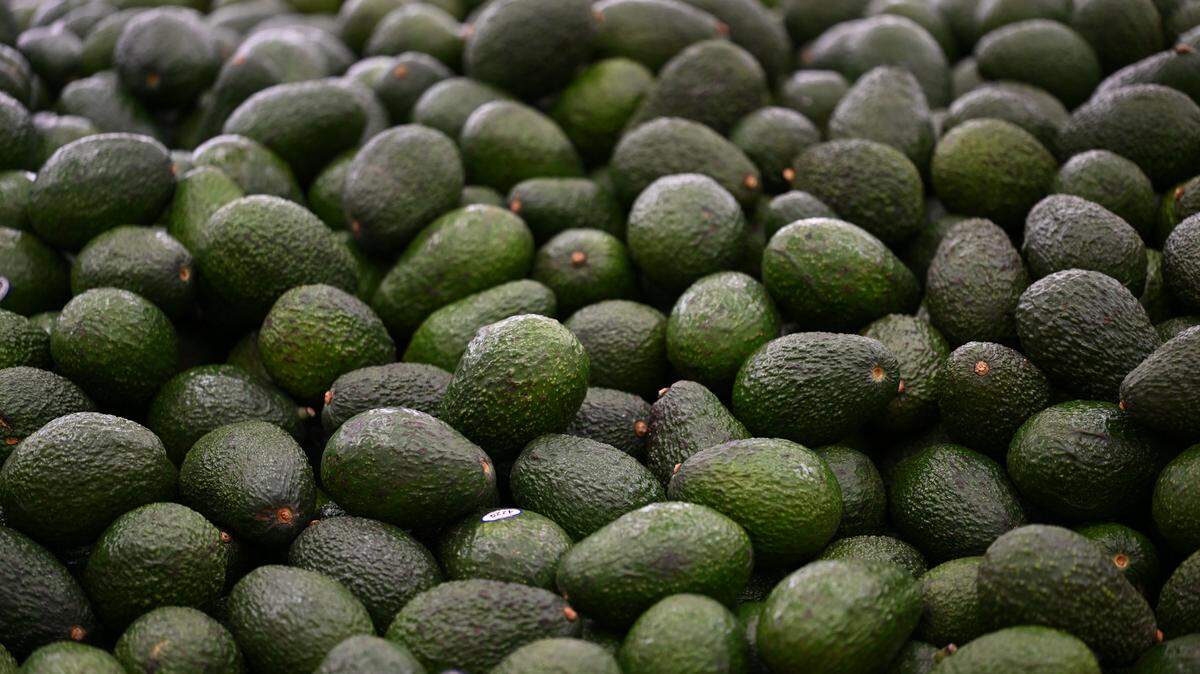
Whole food sources of fiber come packaged with vitamins, minerals and phytonutrients that processed options simply can’t replicate. LeBrett’s top four picks are kiwi, chia seeds, dark chocolate and avocado or guacamole.
Chia seeds stand out for their Omega-3 content and their density — just one ounce delivers 10 grams of fiber. Kiwi brings Vitamin C to the equation. Dark chocolate makes fiber-forward eating genuinely enjoyable. And guacamole, made from avocado, naturally increases the plant variety in your diet.
The best foods high in fiber, by category
The Mayo Clinic’s list of high-fiber foods spans all major food groups. And many of them are likely already in your refrigerator or pantry:
- Fruits: raspberries, pears, apples, bananas, oranges and strawberries
- Vegetables: green peas, broccoli, turnip greens, Brussels sprouts, potato, sweet corn, cauliflower and carrots
- Grains: whole-wheat spaghetti, barley, bran flakes, quinoa, oat bran muffins, oatmeal, popcorn, brown rice, whole-wheat bread and rye bread
- Legumes, nuts and seeds: split peas, lentils, black beans, almonds, pistachios and sunflower kernels
To put those numbers in perspective: one cup of raspberries contains eight grams of fiber, one cup of boiled green beans has nine grams, one cup of quinoa offers five grams and one ounce of chia seeds packs 10 grams.
Combine those four and you’re already at 32 grams — squarely within the recommended daily range. Add an ounce of dark chocolate and you’re looking at 35 to 36 grams total.
7 high-fiber snacks to add to your daily rotation
These snacks are quick to assemble, built around whole food ingredients and easy to work into any point of the day:
- Chia seed pudding: combine one ounce of chia seeds with milk, a drizzle of honey and fresh raspberries. Refrigerate overnight for a ready-made morning snack.
- Dark chocolate bark with nuts and seeds: melt dark chocolate, spread it thin on parchment and top with crushed pistachios, sunflower kernels and sea salt before it sets.
- Avocado toast: layer mashed avocado onto whole-wheat or rye bread and finish with sliced strawberries or a sprinkle of chia seeds for extra fiber.
- Quinoa snack bowl: mix cooked quinoa with diced apple, a handful of almonds and a little honey or dark chocolate chips. Works warm or cold.
- Loaded guacamole with veggie dippers: blend avocado, lime, garlic and salt into a simple guacamole and serve with broccoli, carrots and cauliflower instead of chips.
- Berry and oat parfait: stack oatmeal or bran flakes with raspberries, banana slices and a tablespoon of chia seeds, then shave dark chocolate on top.
- Kiwi and chia smoothie: blend two kiwis, a banana, one ounce of chia seeds and a handful of spinach with your preferred liquid. Sip or eat with a spoon.
Each of these high-fiber snacks is built around whole, minimally processed ingredients that your body can put to work right away. They’re easy to batch prep and flexible enough to fit any time of day.
And, unlike fiber supplements or gummies, they come with added nutritional benefits — Omega-3s, Vitamin C, plant diversity and more — that support your overall health beyond just your fiber count.
How to get the most out of fiber-rich foods
Even with the best high-fiber foods on your plate, how you eat them matters just as much as what you eat. Rekha Chaudhary, MD, told UC Health that overloading on fiber at once can trigger bloating, abdominal discomfort and excess gas.
Hydration is equally important: Joshua Edwards, RD, LD, noted that “when fiber is increased, but fluid intake is insufficient, stools may become hard, and constipation can occur.”
Jeanna Brouwer, a registered dietitian at OSF HealthCare Cancer Institute, recommends distributing fiber-rich foods throughout the day rather than concentrating them in one meal or snack.
“Mixing different foods and vegetables high in fiber throughout the day helps you get the benefits without getting bored,” Brouwer says. “Try adding a fruit to breakfast, swapping in whole grains, and including beans or veggies at lunch and dinner. Over time, it naturally builds a fiber-rich diet.”
Building a high-fiber diet isn’t about any single product or superfood — it’s about consistently choosing whole, fiber-rich foods and giving your gut the time and hydration it needs to handle them well. And avoiding the too-good-to-be-true products like fiber candy.
This article was created by content specialists using various tools, including AI.