What Is the Process of Yogurt Fermentation? How Milk Is Transformed Into Gut-Healthy Food
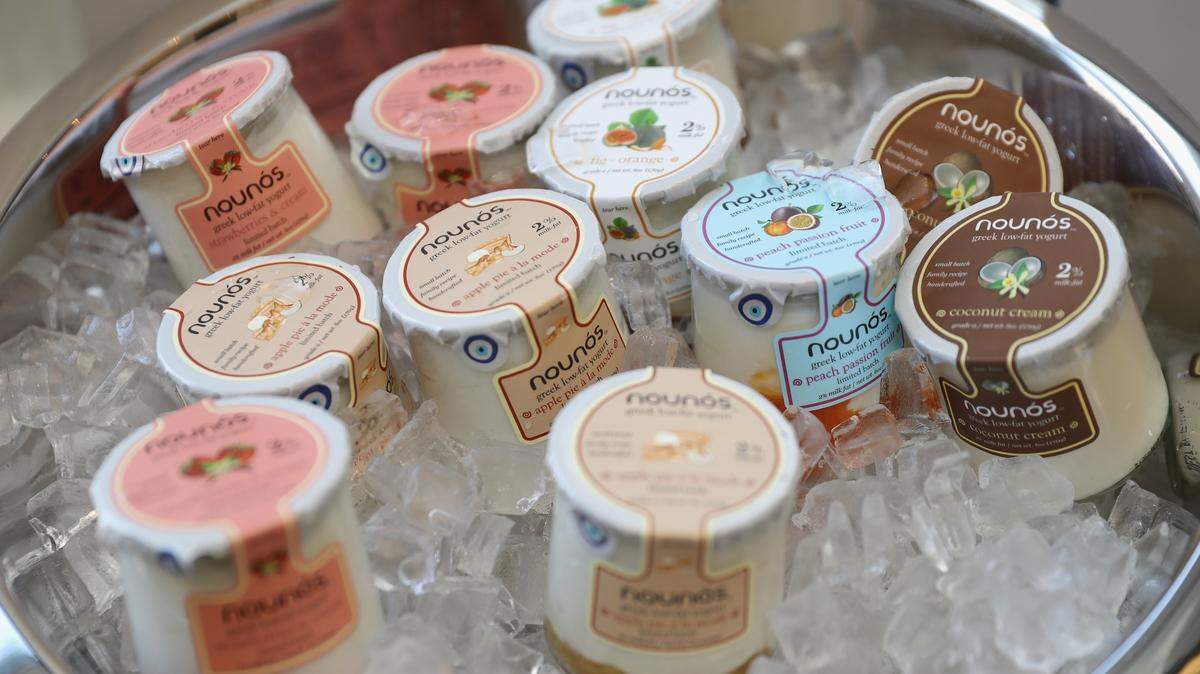
That cup of yogurt in your fridge is the product of a controlled microbial transformation — billions of live bacteria rewriting the chemistry of milk. With probiotic-rich foods drawing fresh attention for their role in gut health, understanding what actually happens inside a yogurt container has become more than a culinary curiosity. It is a window into how fermented foods work and why doctors say they may matter for your microbiome.
What Is Yogurt Fermentation and How Does It Work?
Fermentation “is an anaerobic process in which microorganisms like yeast and bacteria break down food components (e.g. sugars such as glucose) into other products (e.g. organic acids, gases or alcohol). This gives fermented foods their unique and desirable taste, aroma, texture and appearance,” according to the Heart Foundation.
Yogurt fermentation begins with milk heated to a high temperature to kill unwanted microbes and restructure its proteins — a step that helps the final product reach its signature creaminess. The milk is then cooled to a temperature warm enough for beneficial bacteria to thrive, but not so hot that it kills them.
Two bacterial species do most of the work: Lactobacillus delbrueckii subsp. bulgaricus and Streptococcus thermophilus. Once introduced, they begin feeding on lactose, the natural sugar in milk, and produce lactic acid as a byproduct.
Why Milk Turns Thick and Tangy
As lactic acid accumulates, the milk grows more acidic. That shift triggers casein proteins, which normally float freely, to link into a microscopic network that traps water, fat and nutrients. The result is the thick, smooth texture we recognize as yogurt.
Fermentation time shapes the final product. Shorter fermentation produces milder, sweeter yogurt. Longer fermentation yields sharper, tangier flavors and a denser texture. Once the yogurt reaches the desired consistency, it is refrigerated.
What Happens After Yogurt Hits the Fridge
Refrigeration slows the bacteria but does not stop them. The live cultures continue producing small amounts of lactic acid at a reduced pace, which is why yogurt can grow tangier and thicker the longer it sits. That ongoing activity also explains the liquid you sometimes see pooled at the top of the container when you peel back the lid — that is whey, a natural byproduct of the process.
Greek yogurt starts the same way. The difference comes after fermentation: manufacturers strain off much of the liquid whey, concentrating what remains into the dense, high-protein product on store shelves.
Is Yogurt Good for Your Gut?
Yogurt is a recognized source of probiotics, the live microorganisms linked to gut health.
“The microbiome is made up of millions of bacteria and yeast that live in your gastrointestinal system and affect your health,” said Dr. Carolyn Newberry, a gastroenterologist and physician nutrition specialist at NewYork-Presbyterian/Weill Cornell Medical Center. “Probiotics are cultivated strains of specific bacteria which may provide health benefits. By eating certain foods and taking probiotic supplements — or ‘gut health supplements’ — you can may be able to change your microbiome and potentially improve the balance of good bacteria in the gut.”
Not every yogurt qualifies, said Georgia Giannopoulos, a registered dietitian and manager of NYPBeHealthy, NewYork-Presbyterian’s health and wellbeing program.
“Probiotics can be found in yogurt with live and active cultures. That’s an important thing to look for when you’re at the grocery store, because if the product’s label doesn’t note that, it may not contain probiotics. Kefir, a type of fermented milk, is another great source of probiotics. They’re also found in things that have been pickled, including pickles and sauerkraut, and miso, which is made from fermented soybeans.”
What to Look for When Buying Yogurt
If gut benefits are the goal, check the label for “live and active cultures.” Without that designation, the product may not deliver the probiotics that make fermented foods nutritionally distinctive. Greek varieties, kefir and traditionally pickled foods broaden the options for anyone trying to diversify probiotic intake.
For more information: Fermented Foods List: What to Eat for Better Gut Health and Benefits, According to Experts
This article was created by content specialists using various tools, including AI.
This story was originally published May 21, 2026 at 4:00 PM.