
Why beef tallow is making a comeback in home cooking—and when it actually works better than butter
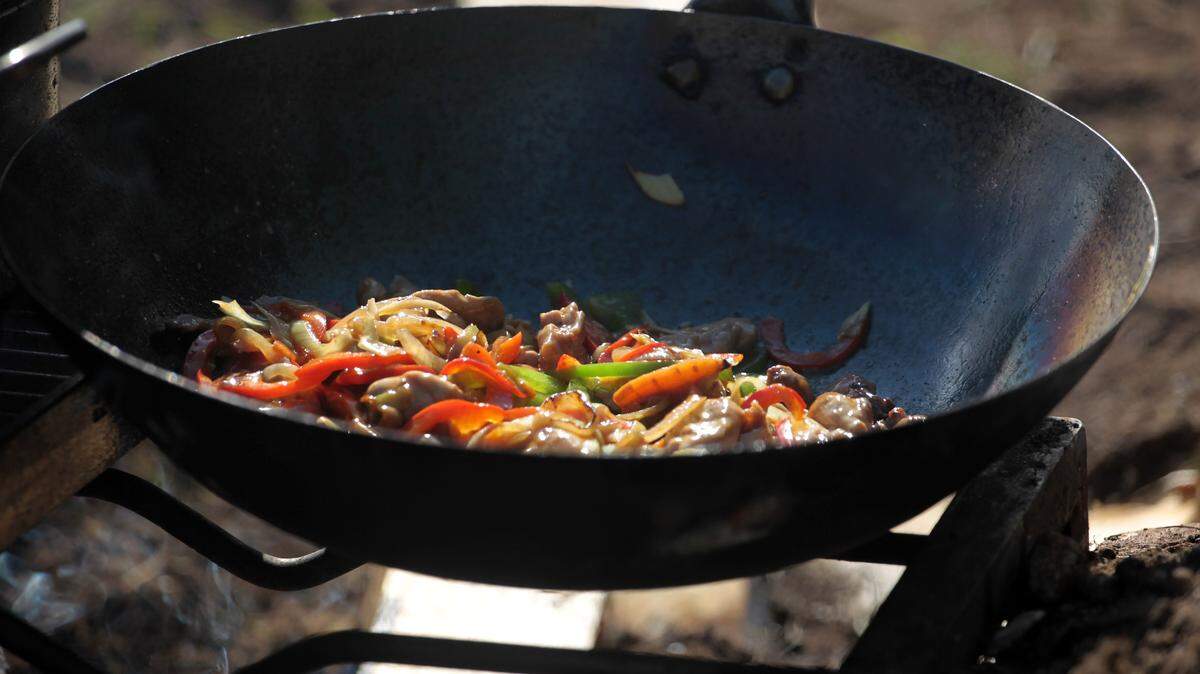
Beef tallow is having a moment in home kitchens — and for good reason. The rendered beef fat that once defined American frying, roasting and pie-making is back on stoves, restaurant menus and social media feeds, prized for a savory depth and crisp finish that butter simply can’t match at high heat. Whether you’re searing a steak, deep-frying potatoes or just curious about the fat your grandparents cooked with, here’s what to know about beef tallow before you scoop it into a hot pan.
What beef tallow actually is
Beef tallow is a rendered form of beef fat with a long history in European and American cooking. Bridget Shirvell, writing for Martha Stewart, describes it as “a rendered form of beef fat, beef tallow is known for its rich flavor and high smoke point of 400 degrees Fahrenheit.” Traditionally, cooks reached for it when they wanted flaky pie crusts, hand-cut fries with a deep, savory taste or roasted meats with a crisp finish. That long track record is part of why tallow is finding a new audience today.
High-heat cooking: where beef tallow beats butter
This is where tallow most obviously outperforms butter. Butter contains milk solids that scorch quickly, while tallow’s higher smoke point lets it handle aggressive heat without breaking down. That makes it well suited to frying, searing, roasting and deep-frying — and more stable at high temperatures than many seed oils. It also doesn’t degrade as fast under repeated heat, which is one reason it remains a workhorse fat in commercial kitchens.
- Much higher smoke point than butter
- Better for frying, searing, roasting and deep-frying
- More stable at high temperatures than many seed oils
- Helps achieve crisp textures in fries, potatoes and fried foods
- Doesn’t break down as quickly under repeated heat
Catherine Lane, VP of consumer brands at South Chicago Packing, told Good Housekeeping, “Unlike many cooking fats, beef tallow has a high smoke point, making it ideal for frying, roasting, grilling, and bringing depth of flavor to dishes.”
What beef tallow tastes like
Flavor is the other big argument for tallow. It brings a savory, almost beefy depth that butter doesn’t have, and it amplifies umami in fried potatoes, roasted vegetables and seared meats. Compared with butter, it reads as less sweet and more neutral-savory — a backbone flavor rather than a creamy one. It’s the taste many people associate with classic, pre-vegetable-oil fast food fries, which is part of why “restaurant-style” dishes at home often hinge on swapping in tallow.
- Adds savory, beefy depth to foods
- Enhances umami in fried potatoes, meats and vegetables
- Less sweet and more neutral-savory than butter
- Historically used in fast food fries for signature flavor
- Can subtly shift the taste of home cooking toward restaurant-style results
Texture: crispier exteriors, better browning
Tallow and butter create very different mouthfeels. Because tallow contains less moisture than butter, it tends to brown food more aggressively and produce a crispier exterior — ideal for fries, roasted potatoes and a hard sear on a steak. Butter still wins for richness and softness in baked goods and finishing sauces, but if structure and crunch are the goal, tallow is the more reliable fat.
- Produces crispier exterior textures when frying
- Less moisture than butter, which means better browning in some applications
- Butter adds richness and softness; tallow adds crunch and structure
- Works especially well for fries, roasted potatoes and steak searing
Common mistakes to avoid when cooking with beef tallow
Tallow rewards restraint. In Good Housekeeping, Samantha Leal outlines a couple of the most common missteps home cooks make. On overdoing it, she writes: “Using too much: Like many flavorful fats, tallow is best used in moderation. Because it’s rich, a small amount goes a long way—overdoing it can overwhelm a dish.”
She also pushes back on the idea that tallow belongs only in steakhouse-style cooking: “Assuming it’s only for heavy foods: A common misconception is that tallow only works in rich or heavy dishes.” In practice, a small spoonful can lift roasted vegetables, eggs or even popcorn without turning the dish into something heavy.
Should you swap butter for beef tallow?
The honest answer is: sometimes. For high-heat work — frying, searing, roasting potatoes, finishing a crust on a steak — beef tallow has real advantages over butter in smoke point, stability and crisp texture. For baking, sauces and anything that depends on dairy richness, butter still has the edge. The smartest move for most home cooks is to keep both on hand and let the dish decide.
This article was created by content specialists using various tools, including AI.