How Menopause Affects Eye Health — a Symptom Naomi Watts Didn’t Expect: Everything You Need to Know
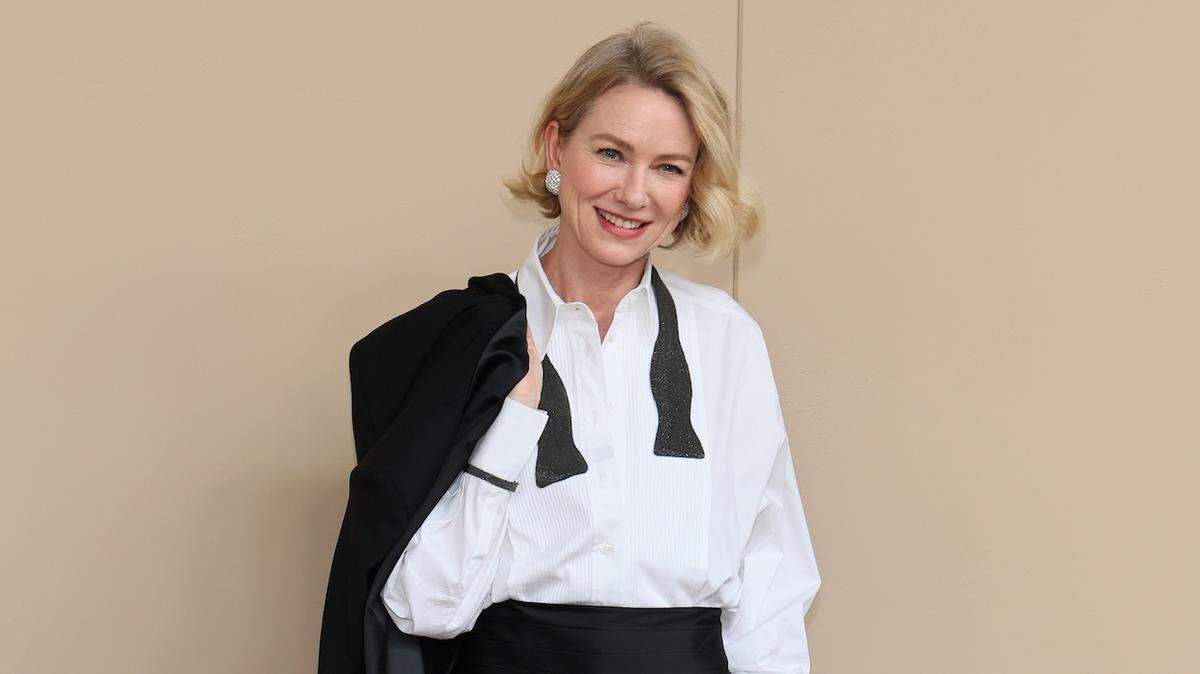
Naomi Watts was 36 when a doctor told her she was likely close to menopause — and she had no framework for what that actually meant. The Mulholland Drive actress has since become one of the most visible voices urging women to recognize perimenopause symptoms earlier, writing a book on the subject and speaking openly about the years of confusion, shame and dismissals that shaped her experience.
Her message is simple: the signs are often subtle, frequently misdiagnosed and far broader than the hot flashes and mood swings pop culture has trained women to expect.
Naomi Watts and the Perimenopause Symptoms Doctors Missed
When Watts first began experiencing perimenopause, she didn’t know what she was looking at — and neither did many of the doctors she saw. She told Bustle that “tuberculosis came up before menopause did” when she sought answers for symptoms like night sweats and irregular periods. The lack of recognition, even within medical settings, is one of the reasons she has become so vocal about pushing women to advocate for themselves and seek out providers who take their concerns seriously.
“All I knew about menopause was what you would see on TV or in movies or in books was women go crazy and the hot flashes and mood swings,” Watts told USA TODAY. “But it’s obviously much more in depth and complex like that. It doesn’t have to be all doom and gloom if you have the education.”
The earliest symptom she remembers wasn’t internal — it was on her skin.
“Hiding it with makeup was just making it worse and more irritable,” she said of the “angry, itchy, red skin” that surfaced during this period. “Any products that were working for me before were no longer working. They were too drying, too harsh, too active.”
How Menopause Affects Eye Health — a Symptom Watts Didn’t Expect
One of the lesser-known shifts Watts has discussed publicly is the impact menopause can have on vision. She told People she had been told years earlier that she needed glasses but resisted wearing them.
“The eyes just continued to be a strain,” Watts said. “But I certainly didn’t know that that was anything to do with, you know, estrogen levels dropping, you know, causing dryness.”
Dr. Charissa Lee, head of professional affairs, vision at J&J, advises women to watch for “dry eyes, tired eyes, eye strain and fluctuating blurry vision.” Lee added that “it’s also important to pay attention to presbyopia symptoms — like difficulty reading small print.”
Watts has framed eye care as part of a broader self-advocacy practice. “For me, creativity depends on being fully present — and eye health is a big part of that,” she wrote on Instagram. “As we age and our hormones change, our vision can shift too. The good news is that one small habit, like an annual eye exam, can make a real difference in looking out for ourselves.”
Watts founded Stripes Beauty, a beauty and wellness company that creates products aimed at helping people navigate the skin, body, and hormonal changes associated with menopause and midlife.
For more information: Perimenopause Symptoms Women Often Miss: What Are the Lesser-Known Signs to Watch For?
Naomi Watts on the Shame, Silence and Stigma Around Menopause
Watts was trying to have children with then-partner Liev Schreiber when a doctor first raised the possibility she was approaching menopause. The couple went on to welcome kids Sasha and Kai in 2007 and 2008, separated in 2016 after 11 years together, and Watts married Billy Crudup in 2023. But the emotional weight of that early conversation stayed with her.
“When I was trying to make babies, I was told [by a doctor] that I was probably close to menopause,” Watts told Women’s Health. “It filled me with panic and shame. I just thought, ‘Who am I, as a woman, if I can’t reproduce?’ Absurd thoughts.”
After Kai’s birth, her symptoms intensified — and so did the isolation. “I just knew it was not a good thing to be walking through the same kind of loneliness and secrecy and shame again,” Watts said. “I did test the waters with friends out there by cracking jokes about menopause, and they weren’t really met with open ears and empathy. It was just like, let’s move on to the next subject.”
A turning point came on the set of the TV series Gypsy. “I was really having a lot of symptoms at that point in time and, luckily, I told my makeup artist that I was having problems sleeping,” Watts told InStyle. “She’s around the same age, and I just needed one person to understand what I was going through. She identified with what I was experiencing and totally wrapped her arms around me.”
Why Conversations About Menopause Are More Important Than Ever
Watts credits community with helping her find her footing, and she’s argued that the silence around menopause is itself part of what makes it so difficult. She told British Vogue that friendships had carried her through every other major life transition — and menopause should be no different.
“We are nothing without the strength of the people around us,” she said. “When we were teenagers, we could talk about fertility. When we were wanting to start a family, we could talk about breastfeeding. We could always talk about sex. We could talk about all of these things. But menopause was just so taboo, and wherever stigma lies we need to create and gather conversation and somehow attack it and find ways to move through it.”
She continued: “That’s basically taken a huge community of women who have been courageous enough to say: ‘Hey, this is a problem. I don’t like how this feels.’ And then the doctors start listening. And then things change in the medical system.”
Watts has also spoken about the historical weight women are still pushing against. “It’s so shocking, and this is half the population! If we’re lucky enough, we get to go through menopause. But it wasn’t that long ago that you would be sent off to the insane asylum,” she said. “Ridiculous archaic things would take place in ancient times, even Victorian times, where women were isolated because menopause marked the end of your life, and certainly the end of your use.”
Her goal now, she said, is to change the tone of the conversation entirely: “Knowing that there are ways to treat symptoms and then, more than that, to come together, talk about it, share and laugh about it. That is so healing. To be able to laugh through our pain points.”
This article was created by content specialists using various tools, including AI.
This story was originally published May 14, 2026 at 4:00 PM.