Cold Plunges Spike Dopamine Up to 500x and Rewire Your Brain — Here’s What Ice Water Actually Does
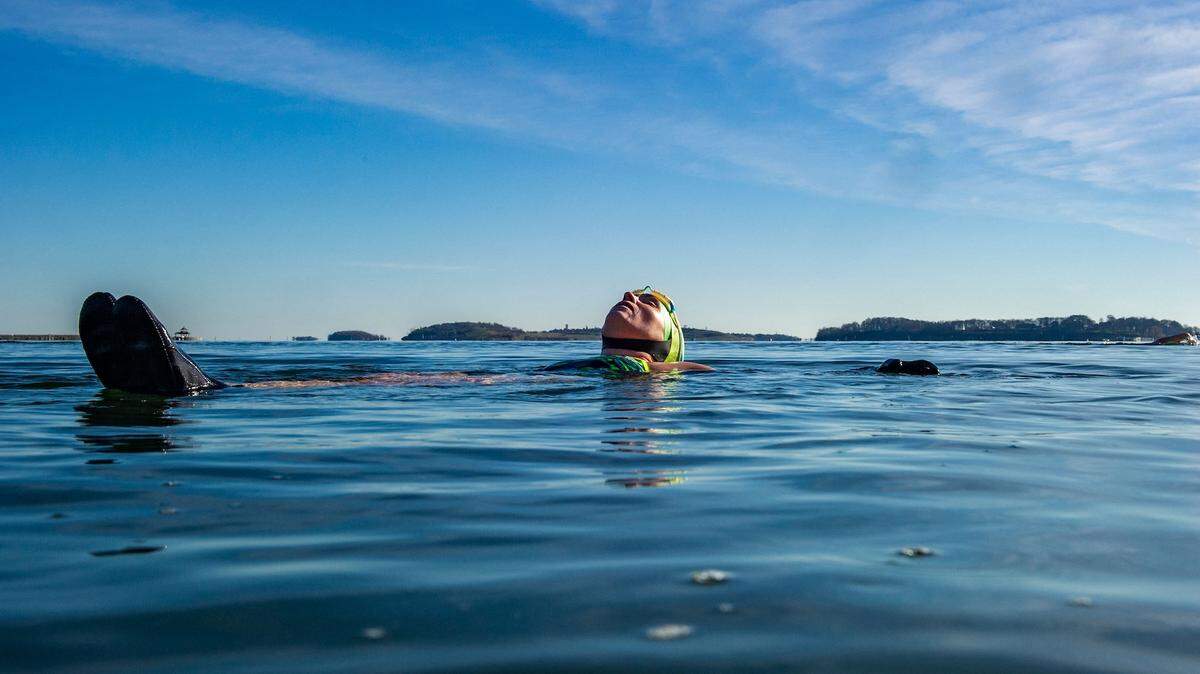
Two minutes of cold plunges in ice water sounds like punishment. Your nervous system disagrees.
The ritual has gone from Wim Hof curiosity to mainstream obsession, with Lady Gaga, Chris Hemsworth, Joe Rogan, Cristiano Ronaldo, Tom Brady and LeBron James all chasing the same icy hit. The science behind why your brain feels rebooted afterward is finally catching up to the hype.
A cold plunge — also called cold-water immersion — means dunking part or all of your body in cold water for a few minutes. That can look like a bathtub loaded with ice cubes, a leap into a freezing lake, a session at a dedicated cold-plunge studio or a DIY tank in the backyard.
What Happens Inside Your Skull During a Cold Plunge
The neurochemical response is fast and dramatic. According to research cited by Plunge, cold-water immersion can trigger a dopamine release up to 500 times above normal levels — the same “feel-good” neurotransmitter your brain rewards you with after exercise and food. It also floods you with norepinephrine, sharpening focus and energy on contact.
A study published in The Journal of Neuropsychiatry and Clinical Neurosciences put it bluntly: “Cold-water immersion triggers the release of important hormones and neurotransmitters, such as dopamine, serotonin, cortisol, norepinephrine, and β-endorphins, which are all linked to modulation of the neural responses to stress and other emotion-related circuits affected in depression, anxiety, and posttraumatic stress disorder.”
The same paper suggests cold water may even ease pain by activating peripheral nerves and autonomic mechanisms — a “large-scale stimulus” that ripples through the body.
The Mood, Sleep and Fat-Burning Angle of Ice Baths
Frank Lipman, MD, Chief Medical Officer at The Well, told Harper’s Bazaar the perks kick in fast.
“More immediate benefits of cold exposure include improved immunity, sleep quality and an increased fat-burning,” Lipman said. “That’s because a dose of cold causes the body to shiver, which activates reactions inside the brown fat cells, the ones that our bodies burn for fuel to keep our bodies warm.”
He says the brain wins too. “Cold exposure is also thought to tame migraine symptoms — think ice packs on the neck — and soothe irritated nerve endings that can cause pain. For those struggling with mental health issues like anxiety or depression, it can boost mood by triggering the release of the body’s feel-good endorphins.”
How Long Should You Stay in an Ice Bath?
Lipman says timing “depends on the individual and their goals,” and he’s a fan of starting tiny.
“When first starting out, it’s OK to do cold plunges in short increments — even 30 seconds at a time — to build up your tolerance. From there, three to five minutes is a good target time,” he said, adding, “In any case, it’s important to listen to your body.”
Why Regular Plungers Feel Different
Each cold session works as low-grade stress training. Endorphins and serotonin spike, and over time the brain gets better at handling stressful conditions. That resilience tends to spill into the rest of life — work pressure, family chaos, a packed inbox.
A controlled study in Scientific Reports found a brief ice bath significantly raised circulating noradrenaline and shifted cortisol, confirming a strong acute neurochemical reaction. Broader reviews show consistent activation of the autonomic nervous system and neurochemical pathways tied to mood and arousal.
More recent work in Physiology & Behavior found repeated cold exposure not only alters physiological stress markers but is also associated with improvements in certain cognitive measures and sleep quality over time. The acute jolt appears to translate into downstream gains.
The DIY Version of the Cold Plunge
You don’t need a commercial setup to feel it. “You may not be able to maintain the same temperature in an at-home ice bath or cold shower as you would in a commercial cold plunge, but there’s no reason to think you can’t still reap the benefits from short-term cold exposure through these methods,” Lipman said. “A DIY approach at home can also be a great way to get started with cold exposure so you can more slowly build up your tolerance.”
The picture across the research is consistent: cold plunges produce a short-term surge in stress neurotransmitters — especially norepinephrine — followed by a rebound that feels calm, focused and mentally reset. Dopamine and endorphin effects are still being refined in human imaging studies, but cold exposure clearly activates brain systems tied to attention, mood and stress regulation.
Two minutes. One full-body reset.
This article was created by content specialists using various tools, including AI.
This story was originally published April 30, 2026 at 10:04 AM.