Meet Forest: The Orphaned Deer Who Imprinted on Humans and Is Heading to a Florida Sanctuary
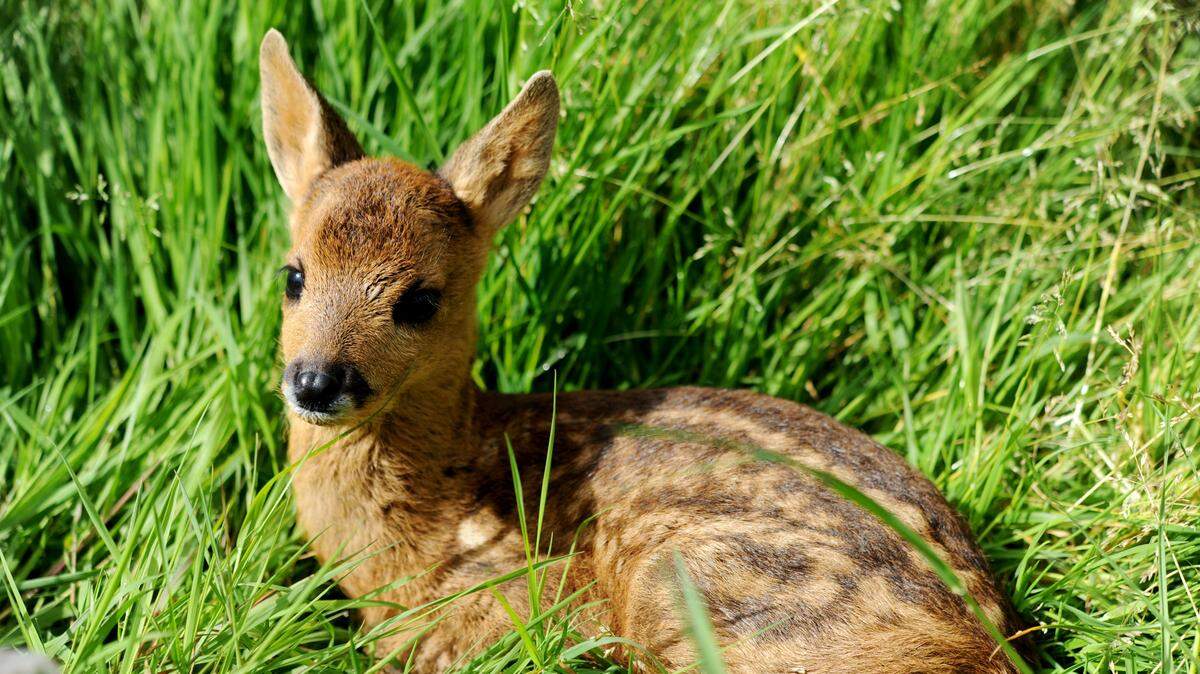
Here’s the inside angle on a story that’s been quietly tugging at hearts in Volusia County: a white-tailed deer named Forest — orphaned as a fawn, nursed back from a broken leg by human hands — is never going home to the wild. The very care that saved him is the reason he can’t be released. And now a small Deltona nonprofit is racing the clock to build him a permanent home.
The real story isn’t just that a deer got rescued. It’s what happens after the rescue, when an animal becomes too bonded to humans to ever survive without them.
Why Forest Can’t Go Back
Forest was found orphaned and badly hurt, with multiple injuries including a broken leg. During the long stretch of rehabilitation, he was bottle-fed and hand-raised by his caregivers — and that’s where the trajectory of his life quietly changed.
He imprinted on people.
In practical terms, that means Forest now associates humans with food and safety, the opposite of what a wild deer needs to survive. A deer that walks toward humans instead of bolting from them isn’t a deer that lasts long in the woods. According to Meagan Farley, CEO of 101 Paws and Claws, releasing him simply isn’t an option.
So Forest is moving to Deltona — to a Florida sanctuary that’s now scrambling to build him a habitat from scratch.
The 30-Day Scramble
The call came fast. An animal rehabber in Volusia County reached out to Farley about taking Forest in, and the timeline was tight.
“It was kind of a rush thing, so we have a month to pull this all together,” Farley told The Daytona Beach News-Journal on April 17.
Pulling it together means fencing, a barn and a wooded section where Forest can disappear if he wants to. The fencing alone is the budget killer — roughly $5,600. As of mid-April, 101 Paws and Claws had raised about $500 toward the project.
That’s a long way from where they need to be. And the deadline is the deadline.
What Life Will Actually Look Like for Forest
Here’s the part that makes this story land differently than your average rescue piece: Forest gets to choose.
The sanctuary is designing his enclosure with a wooded area built in, specifically so he can hide or stay out of sight whenever he wants. He won’t be paraded out for visitors. He won’t be required to perform.
“It’s entirely up to him whether he wants to come out and interact with people on the tour. We won’t bring people into the enclosure,” Farley said.
That distinction matters. Plenty of sanctuaries blur the line between rehabilitation and entertainment. 101 Paws and Claws is drawing it cleanly — visitors stay outside, Forest decides what kind of day he’s having.
“We’re going to try to make it as natural as possible for him. He’s going to live his life out here,” Farley told The Daytona Beach News-Journal.
The private tours the sanctuary offers are part of how it raises money to feed and house its animals — Forest included.
The Bigger Picture: Why ‘Rescued’ Doesn’t Always Mean ‘Released’
This is the part of wildlife rehabilitation that doesn’t make it into the feel-good Instagram clips. Imprinting is one of the quiet tragedies of well-intentioned rescue work. A fawn alone in the woods looks helpless. A person who steps in to help — bottle-feeding, hand-raising, providing constant comfort — is doing exactly what saves the animal’s life and, simultaneously, what makes that life unreleasable.
Forest’s situation is the textbook version. Multiple injuries. A broken leg. Months of close human contact during the most formative window of his development. By the time he was healthy enough to consider release, his behavior had already been rewritten.
Wildlife agencies generally caution the public against intervening with apparently abandoned fawns precisely because of this risk — does often leave their young alone for hours at a time, and human “rescues” can inadvertently create animals that can never go home.
In Forest’s case, though, the injuries made intervention unavoidable. The trade-off was his life for his wildness.
How the Sanctuary Fits In
101 Paws and Claws is a USDA- and Florida Fish and Wildlife Conservation Commission–licensed 501(c)(3) nonprofit, operating as both a sanctuary and an educational facility. That licensing matters — it’s the difference between a legitimate long-term home and the kind of roadside operation that gives sanctuaries a bad name.
The fundraising push for Forest’s enclosure is ongoing, with the bulk of the cost tied up in fencing. Donations and the sanctuary’s private tour program are how they’re trying to close the gap.
If they get there in time, Forest will move into a custom-built habitat in Deltona, with the freedom to hide in his woods, walk out toward a tour group or do absolutely nothing at all — for the rest of his life.
It’s not the wild. But for a deer who can no longer survive there, it’s the closest thing to it.
This article was created by content specialists using various tools, including AI.