Warren Buffett’s Billions Won’t Buy Him a Bigger Social Security Check — Here’s Why
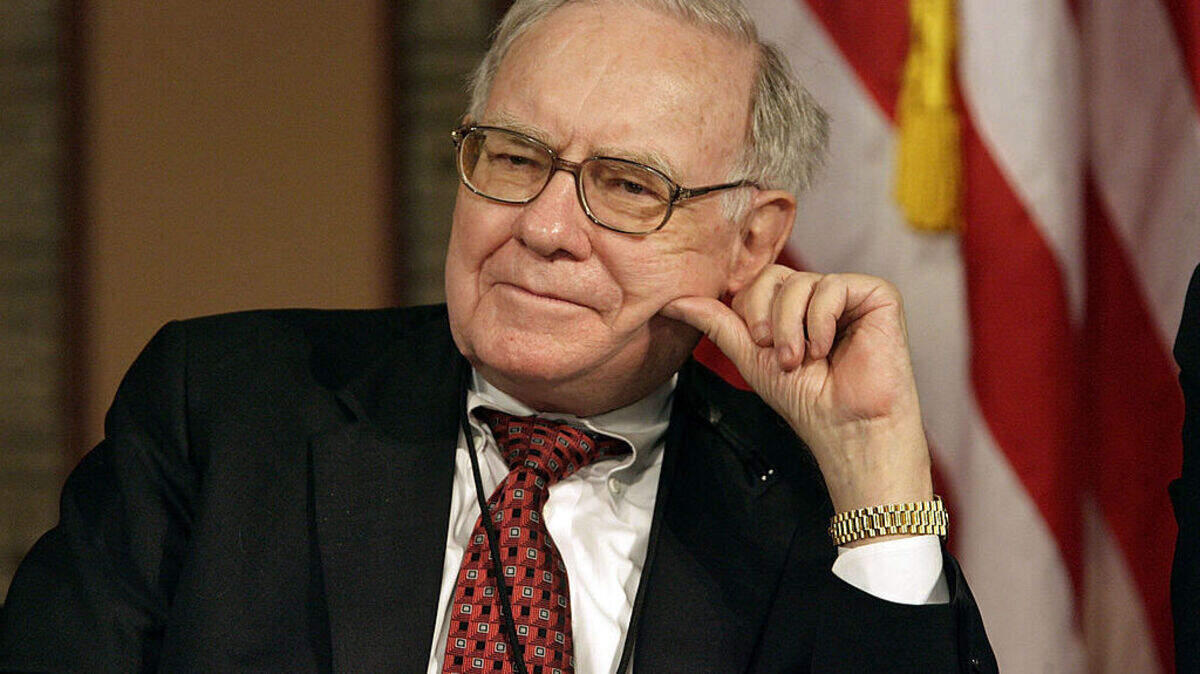
Here’s something that might surprise you: one of the richest people on the planet collects Social Security on basically the same terms as the guy who fixes your furnace.
Warren Buffett, whose net worth runs into the hundreds of billions, doesn’t get a fatter Social Security check because of his fortune. Not a dollar of his stock holdings, dividends or investment gains figures into what the Social Security Administration sends him each month. The system doesn’t care how rich you are. It cares what you earned from a paycheck.
And that’s where things get interesting.
How the Social Security Benefit Formula Actually Works
Social Security uses a formula based on your 35 highest-earning years. The agency calculates your Average Indexed Monthly Earnings (AIME), then runs that through a second formula to arrive at your Primary Insurance Amount (PIA), the monthly benefit you’ve earned. Work fewer than 35 years and the SSA plugs zeros into the missing slots, which drags your benefit down.
Buffett paid himself a $100,000 salary from Berkshire Hathaway for over 40 years, confirmed in SEC filings. That’s the number that matters to Social Security. His billions in stock never entered the calculation.
The maximum monthly benefit for someone retiring at age 70 in 2026 is $5,181, per the SSA. Based on his earnings history and retirement timing, Buffett would land near that ceiling — because of how he was paid, not because of what he’s worth.
The Social Security Wage Cap and Why It Sparks Debate
Here’s the part that tends to start arguments.
Social Security taxes only apply to earnings up to a set limit. In 2026, that cap is $184,500. Earn a dollar above that and it’s not taxed for Social Security, and it doesn’t count toward your future benefit either.
In practice: a surgeon making $200,000, a tech worker earning $500,000 and a billionaire with a six-figure salary all stop paying into Social Security at the same point each year. After $184,500, their contributions are identical. The IRS confirms the 6.2% withholding rate that governs this for workers and employers alike.
Defenders of the cap argue that benefits are also capped, so the system stays balanced. Critics call it a regressive design that lets the wealthiest stop contributing while working- and middle-class earners pay on every dollar they make. Either way, the cap is the reason Buffett’s Social Security check looks surprisingly normal.
3 Social Security Moves That Work for Regular Earners Too
The same formula that limits Buffett also rewards regular workers who understand it. Three moves matter most:
- Work at least 35 full years. Every missing year gets replaced by a zero in the calculation, pulling your average down and your benefit with it.
- Push taxable earnings as high as you can, up to the cap. Every dollar you earn up to $184,500 counts toward your benefit. Every dollar above it doesn’t. That’s your target.
- Delay claiming until 70. Only about 10% of beneficiaries wait until age 70 to claim. Every year you wait past full retirement age adds roughly 8% to your monthly check, a guaranteed increase that lasts for the rest of your life. Claim early and you lock in a smaller number permanently.
You don’t need a hedge fund or a Berkshire boardroom seat to come close to the maximum Social Security benefit. The math is the same for everyone. That’s the part of the system that’s actually fair — and the part most people don’t realize until it’s too late to do anything about it.
This article was created by content specialists using various tools, including AI.
This story was originally published April 28, 2026 at 1:46 PM.