Tiny Baby Pudu Deer Makes San Diego Zoo Debut Alongside Mom Posey Days After Birth
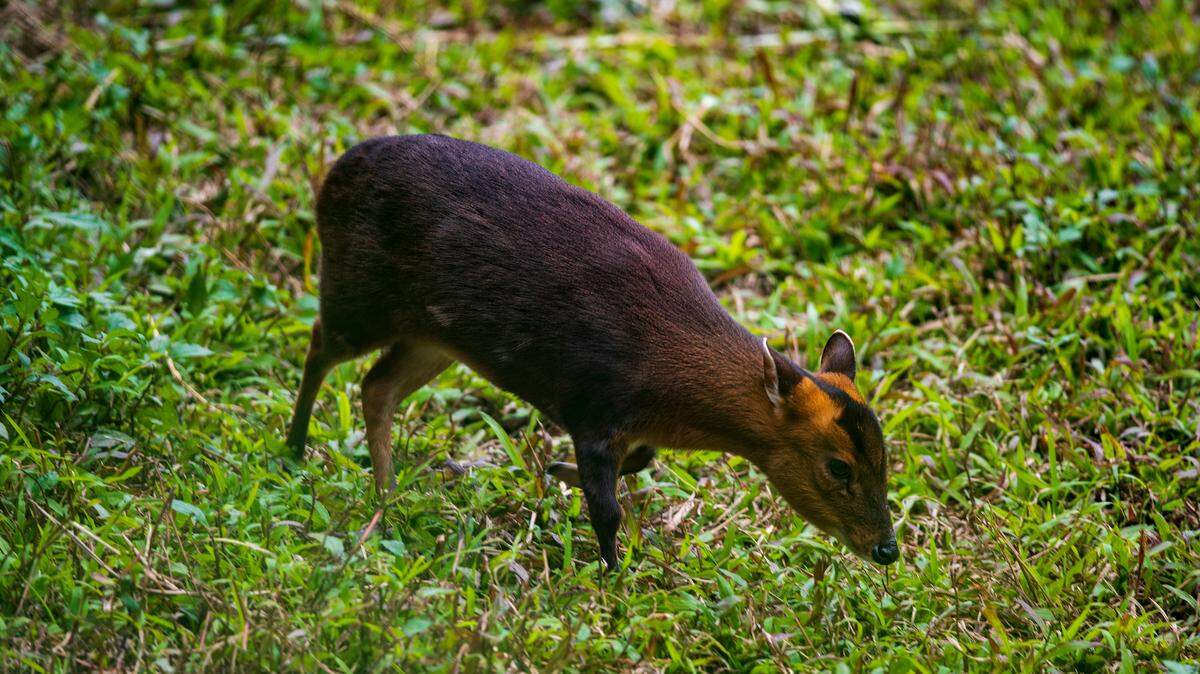
Just days after she was born, a tiny baby pudu deer is already sticking close to the one animal she depends on most — her mom.
At the San Diego Zoo Safari Park, a newborn female pudu has begun exploring her habitat side by side with her mother, Posey, offering a glimpse into the kind of bond that plays a quiet but important role in conservation efforts.
The baby pudu, just a few inches tall, has already been spotted trotting confidently alongside Posey, rarely straying far from her side.
Keepers say the fawn is showing early signs of independence — curious, adventurous and surprisingly confident for such a small animal. But like most young mammals, she’s learning everything from her mother in real time.
That includes how to move through her environment, where to find food and, most importantly, how to stay safe. For visitors, it’s a heartwarming moment. For conservationists, it’s something more.
What This Mom and Baby Pudu Deer Mean for Conservation
Pudu deer are the smallest deer species in the world, native to parts of Chile and Argentina. Fully grown, they stand just 13 to 17 inches tall — about the size of a house cat.
That tiny stature is part of what makes them so vulnerable in the wild.
Young pudus rely heavily on their mothers in those early days, learning behaviors that are critical for survival. In managed environments like the San Diego Zoo system, those early bonds also help support broader conservation efforts tied to the species.
Every successful birth — and every strong maternal bond — contributes to that bigger picture.
But while this fawn is thriving under Posey’s watch, wild pudu populations are facing increasing pressure.
The Southern pudu (Pudu puda) is currently listed as “Near Threatened,” with an estimated global population of around 10,000 animals — though no official census exists, per Reuters.
A large portion of that population lives on Chile’s Chiloé Island, where conditions are becoming more dangerous.
Vehicle strikes and attacks by domestic dogs are the two biggest threats, with dozens of pudus reported injured or killed each year. Pregnant females and young fawns are especially at risk.
Wildlife rescue centers in the region report treating dozens of injured pudus annually, and conservation experts warn that a shift to “endangered” status may be on the horizon.
The Role of Mothers — In the Wild and In Conservation
In the wild, a pudu mother’s ability to raise her fawn can mean the difference between survival and loss for a species already under pressure.
At the San Diego Zoo Safari Park, Posey is doing exactly what pudu mothers have always done — guiding, protecting and teaching. It’s a quiet role, but an essential one.
For now, the newborn pudu is doing what baby animals do best — staying close to mom and figuring out the world one step at a time.
But behind that small moment is something bigger. For a species with limited numbers and growing threats, each new fawn represents more than just a birth. It’s a chance.
This article was created by content specialists using various tools, including AI.
This story was originally published April 24, 2026 at 3:00 PM.