Allergy Season Is Getting Worse Every Year: Here’s Why 2026 Is No Different and What To Do About It
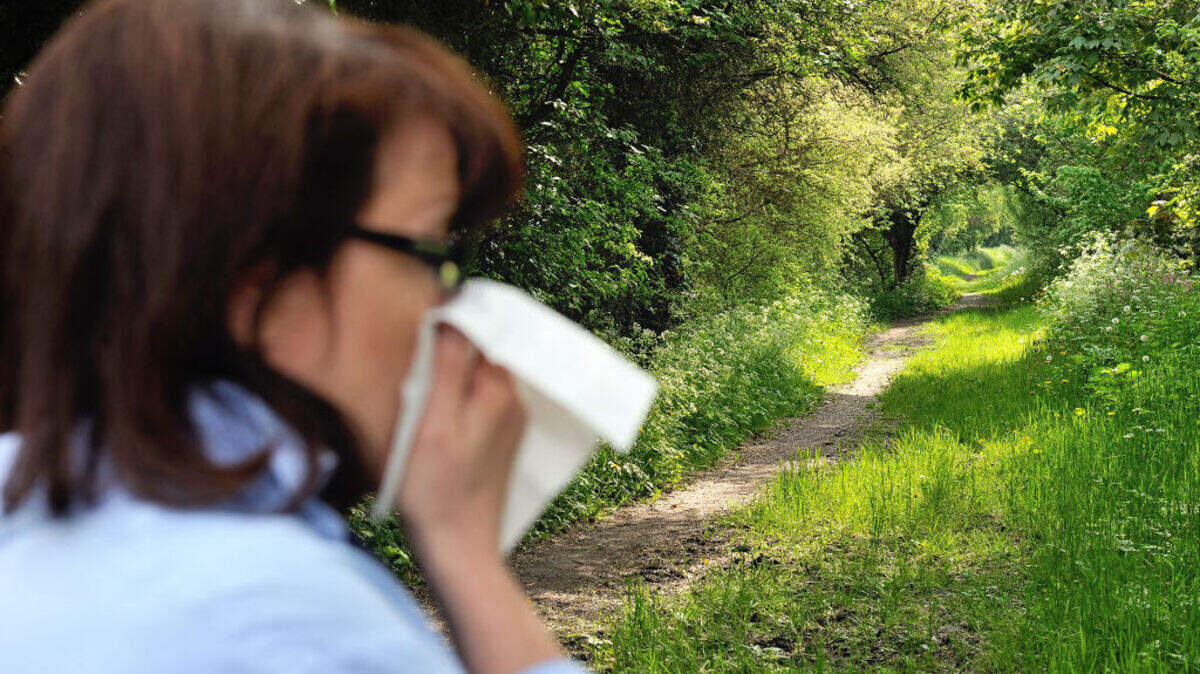
If it feels like your allergies get worse every spring, researchers say you’re right. Rising temperatures and increasing CO2 are stretching pollen seasons longer and driving higher pollen counts across the U.S., and 2026 is continuing a trend that shows no signs of slowing down.
The pollen season is approximately three weeks longer now than it was 50 years ago, and plants produce about 20% more pollen on average, per Dr. Neelu Tummala of NYU Langone Health via the American Lung Association.
Warmer temperatures fuel more vigorous plant growth, which translates directly into higher pollen output season after season. Dr. David Stukus, president-elect of the American College of Allergy, Asthma and Immunology, put it plainly in a HealthDay report published April 15, 2026: each year is effectively the worst pollen season on record — until the next one.
Over 1 in 3 adults and 1 in 4 children suffer from seasonal allergies, causing around 3.8 million missed work and school days annually per the CDC via the American Lung Association. A warmer, earlier spring gives plants more time to release pollen both earlier in the year and later into fall, per Climate Central’s 2026 Pollen Season report.
Where Allergies Are Worst in 2026
Boise, Idaho ranks as the most challenging city for allergies this year per the Asthma and Allergy Foundation of America’s annual Allergy Capitals report, via Advisory.com’s March 2026 coverage. AccuWeather’s 2026 allergy forecast projects grass pollen to spike early across the northern Plains and Great Lakes, including Chicago, St. Louis and Minneapolis, while the South and Gulf Coast are already deep into peak tree pollen season.
April is peak tree pollen season nationally, with oak, pine, mulberry and willow as the primary culprits. Grass pollen begins overlapping in May per Zyrtec’s month-by-month pollen guide, making the next several weeks a difficult stretch for most sufferers. One weather pattern worth watching: rain followed by dry days creates sharp pollen spikes rather than relief, per AccuWeather.
What Actually Helps With Allergies
Saline nasal irrigation with a neti pot reduces allergic rhinitis symptoms by 27% and medication usage by 62% when used regularly per clinical research. Use only distilled or previously boiled water to avoid rare but serious infection risk per FDA guidance, and keep use to once or twice daily during allergy season.
A PMC/NIH randomized controlled trial found five minutes of daily steam inhalation produced real reductions in symptom burden as an add-on to other treatments — a hot shower achieves a similar effect. Running a HEPA filter at home on high-pollen days meaningfully cuts indoor allergen load, per Dr. Stukus in his April 2026 HealthDay report. Keep windows closed on high-count days and run it overnight for the most benefit.
One popular remedy worth flagging honestly: local honey is frequently cited as a natural allergy fix, but the scientific evidence supporting it is weak.
Why Medication Timing Is Everything
Intranasal steroid sprays take up to two weeks to reach peak effectiveness, and oral antihistamines work significantly better when started two to four weeks before peak season, per Dr. Tummala via the American Lung Association. If you’re already mid-symptoms, that window has passed for this season — which means a conversation with your doctor about adjusting your current regimen is the most useful next step.
It’s also worth knowing that adults can develop new allergies at any age, per Dr. Jennifer Caudle of Rowan University via WKYC. If symptoms appeared this spring for the first time, that’s a legitimate reason to get checked rather than assuming it’s a cold.
With pollen seasons growing longer and more intense each year, starting medications earlier, reducing indoor allergen exposure and using tools like saline rinses and steam can meaningfully reduce how hard this season hits.
This article was created by content specialists using various tools, including AI.