Cape May Zoo’s Buttercup Welcomes Second Capybara Litter, Growing the Family Fast
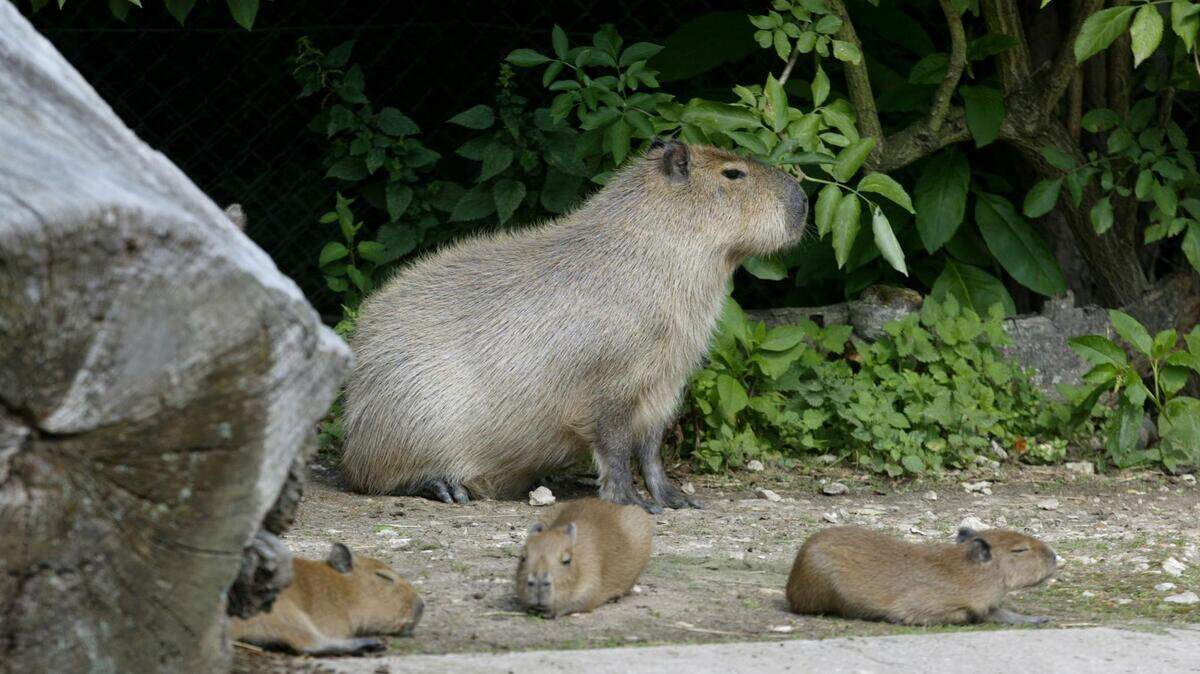
The internet’s favorite oversized rodent just got even more adorable in New Jersey. Cape May County Park and Zoo welcomed two new capybara pups on April 14 after their resident female, Buttercup, gave birth — and before you start planning a road trip, there are a few things you should know.
Buttercup is no stranger to motherhood. This is her second litter in roughly six months, after she gave birth to two pups back in October. The father of both litters is Goomba, the resident male capybara at the zoo. Yes, the capybara is named Goomba, and yes, that is the kind of detail that makes you the most interesting person in a group chat.
The new arrivals join a habitat that is getting increasingly crowded — in the best possible way. Along with Buttercup and Goomba, adults Budette and Marigold share the space, plus five older pups that remain from previous litters. That means the Cape May capybara crew now numbers at least 11 animals, making it a full-blown capybara community.
Here’s the catch for anyone already pulling up directions: Buttercup and her newborns are being closely monitored by animal keepers and veterinary staff, and they are sometimes taken off exhibit to limit crowd exposure. Visitors may be able to catch a glimpse of the pups periodically from the bridge at the capybara habitat, but sightings are not guaranteed.
Andrew Bulakowski, Cape May County Commissioner Vice-Director, was clearly thrilled about the births.
“What a wonderful joy to be blessed with additional capybara pups,” he said, per the Cape May County website. “Families love this exhibit, and their love will only grow with the sights of these new additions.”
If you’ve spent any time on social media in recent years, you already know capybaras have ascended to a tier of animal celebrity usually reserved for golden retrievers and baby pandas. But the real-life stats on these creatures are just as wild as their internet fame.
Capybaras are the largest rodent species on the planet. Native to South America, they are semi-aquatic animals typically found near lakes, swamps and rivers. Adults typically weigh between 75 and 150 pounds, with females running slightly heavier than males.
They are also highly social animals that live in groups — which explains why Cape May’s habitat houses such a large and growing family.
One of the most remarkable things about capybara pups is how fast they develop. According to the zoo, the newborns are able to walk within hours of birth. By about one week old, they begin eating grass, though they continue nursing for approximately 16 weeks.
That rapid development means that even if visitors miss the pups this week, the young capybaras should become more visible as they grow and explore the habitat alongside their older siblings.
For anyone ready to make the trip, the park is open from 7 a.m. to dusk, and zoo hours run from 10 a.m. to 4:30 p.m. Additional information is available at CMCZoo.com.
This article was created by content specialists using various tools, including AI.