China’s Controversial Tiger Hotel Rooms Let Visitors Sleep Beside Apex Predators for Just $23
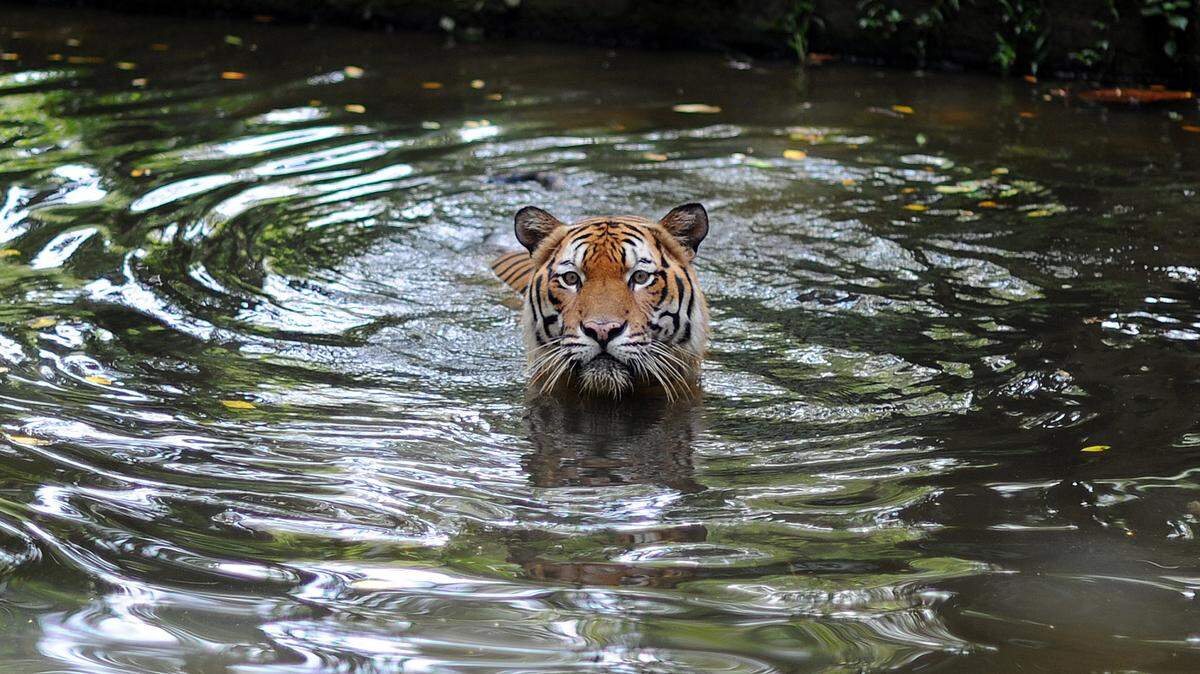
A wildlife park in Qinyang, China, is going massively viral for a concept that sounds like it was dreamed up for clicks — but it’s very real. The park is offering “Tiger View Rooms,” overnight stays where guests sleep beside a tiger enclosure separated only by reinforced glass, according to The Sun. The price? Around $23 per night.
That detail alone — the absurdly low cost of sleeping inches from apex predators — has fueled the internet debate. And the reactions are exactly what you’d expect.
What the Experience Actually Looks Like
The rooms put guests face-to-face with Siberian tigers, Bengal golden tigers and white tigers. There’s no hallway buffer, no distant viewing platform. Just reinforced glass and a pillow.
The park claims it has installed double-layered, explosion-proof glass barriers reportedly strong enough to withstand gunfire. Electric wires are also installed on the exterior of the glass to deter contact. Staff say the facility has been inspected multiple times and that “no safety hazards have been found.”
Some guests report hearing tigers roaring at night, though staff say the tigers are mostly quiet and do not disturb sleep. That claim is doing a lot of heavy lifting for a room where a several-hundred-pound cat is on the other side of the wall.
The Internet Has Thoughts
The online reaction has been sharply mixed. Some users say they would not stay despite safety claims. Others describe it as a once-in-a-lifetime experience. A running joke has emerged tying the low price directly to the proximity to tigers — the implication being obvious.
The debate is split cleanly between thrill-seekers who see a bucket-list opportunity and skeptics who see a setup for a nature documentary gone wrong. It’s the kind of genuine opinion split that keeps comment sections alive for days.
Beyond the memes, critics argue the attraction prioritizes profit over animal welfare. Concerns center on stress from constant visitor exposure and noise, along with questions about the impact on natural tiger behavior. Broader scrutiny of zoo industry practices in China has been increasing, and this concept has added fuel to that conversation.
What an Expert Actually Said
Zhang Minghai, from the National Forestry and Grassland Administration Feline Research Center at Northeast Forestry University, weighed in with a more measured take, per Global Times.
The key factors, Zhang said, are whether the tigers’ space is restricted and whether the barrier materials harm the animals. If standards are met and conditions are acceptable, “these ‘tiger-view rooms’ will generally not cause additional adverse effects on the tigers.”
Zhang described protection and use of wild animals as interconnected, calling “protection as the prerequisite for utilization.” The suggestion, as reported by Beijing Daily, is that revenue from attractions like this could actually improve tiger welfare and create a “virtuous cycle.”
That framing — that charging tourists $23 to sleep next to a tiger could ultimately benefit tigers — is the kind of claim that will keep this story circulating.
Still Taking Bookings
The park continues to accept reservations and advises booking in advance. Prices are expected to rise during the summer holiday season, so that $23 window may not last.
Whether this is an innovative conservation funding model or a troubling commodification of endangered animals depends on who you ask. But as a piece of social currency — the kind of story you drop into a group chat and watch the reactions roll in — it’s hard to beat sleeping next to a tiger for the price of a pizza.
This article was created by content specialists using various tools, including AI.