A Bear Family Moved in Under a New Jersey Home — and the Science Behind Why Is Fascinating
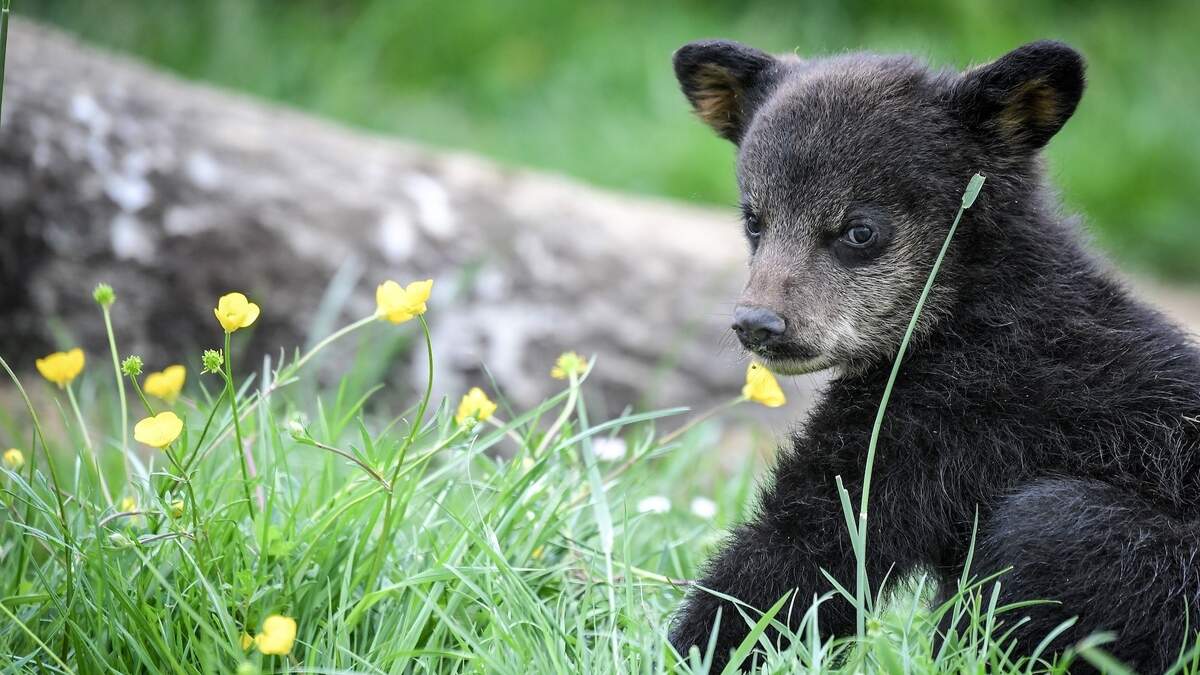
A Bergen County, New Jersey, family got the surprise of a lifetime when they discovered a mother black bear and her four cubs had turned the crawl space beneath their house into a cozy den. What followed was a weeks-long saga of adorable chaos, neighborhood spectacle and a revealing look at how wildlife adapts to suburban life.
Veronica O’Brien-Lim and her husband, Vincent Lim, didn’t realize the full scope of their situation right away. The previous owners had dug a foundation under only half of an addition, leaving a sheltered space that proved irresistible to a denning bear.
“So they were living under here because the previous owners when they built this addition, they dug a foundation under half of it,” O’Brien-Lim said, per WABC.
Lim described the slow reveal to Optimum News 12 as the family gradually spotted more bears emerging from under the house.
“We saw that there were actually three cubs and then eventually four cubs, and then I think we have the final count now as one adult bear and four cubs,” he said. “The initial reaction we saw them was, Wow, this is so cool. And they’re adorable.”
The Cubs Turned the Yard Into a Playground
That initial sense of wonder gave way to growing concern as the bear family explored the property with increasing confidence. Lim noticed the cubs had zeroed in on one piece of outdoor equipment with particular enthusiasm.
“The cubs are very intrigued by our central air unit, and so they’re using that as a climbing gym, and they’re chewing at the hoses and wires and things like that,” Lim said.
The bears also rummaged through neighbors’ trash and hauled it back beneath the house. Neighbor Donna VanRy described the scene outside their home as something out of a celebrity sighting.
“The first week after she posted that they were under there before they started coming out really, it was like paparazzi here, cars driving by, people walking by, where are the bears? It’s not a zoo,” VanRy said.
“People around here are concerned … because there are a lot of kids in the neighborhood,” Lim added.
Why NJDEP Fish & Wildlife Couldn’t Simply Remove the Bears
O’Brien-Lim called NJDEP Fish & Wildlife expecting a quick solution, but learned that intervening with a denning bear family is far more complicated than most people realize.
“It seems like any intervention is really a last course of action,” she said. “If they haze the mother out, she would possibly run and abandon the cubs, and then they would have to find another sow to basically put them with. Or if they tranquilized her and caught the cubs, they would have to create a new den for them nearby.”
Officials told her the bears would move on after a couple of days. Two more weeks passed.
A Backyard Rescue and the Bears’ Departure
In April 2026, the bear family finally emerged from the den. But one cub ran into trouble, getting stuck and unable to clear a neighbor’s fence. Ray Miller heard the distress call from his backyard.
“Then I went down and looked at a little cub trying to get over fence couldn’t make it,” Miller said.
A Fish & Wildlife crew rescued the cub and brought it back to its mother. Officials believe the bears were searching for food due to unusually warm weather but noted they might return later on Tuesday or again in the fall when it’s time to hibernate. The Lim family has been advised to seal off the area beneath their house.
The Science Behind Why Bears Like the Lim Family’s Home
NJDEP Fish & Wildlife reminded the public about “the importance of securing trash and other possible sources of food that can attract bears to properties.”
The encounter reflects a broader pattern. As natural habitats shrink or become fragmented, species like the American black bear are pushed closer to neighborhoods where food sources such as garbage, pet food and crops are easy to access. Bears are highly intelligent and quickly learn to return to places where they’ve found reliable meals.
This tendency becomes even stronger during hyperphagia, when bears eat almost constantly to prepare for hibernation. Younger or displaced bears are also more likely to explore unfamiliar areas, increasing the chances of encounters with humans.
This article was created by content specialists using various tools, including AI.