Robot Birds Have Entered National Park in Conservation Effort Led by High School Students
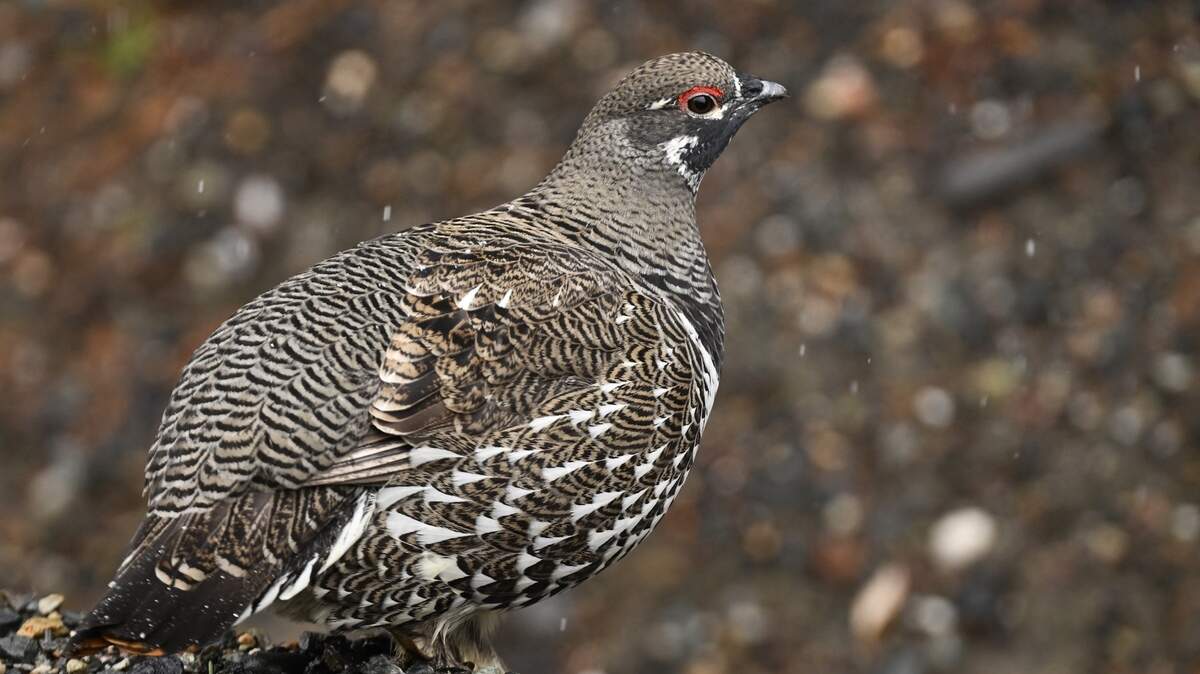
An experimental conservation effort near Grand Teton National Park is testing whether robotic bird decoys — built by high school students — can help lure greater sage grouse into safer habitat as the species faces a population decline of up to 80 percent since the 1960s.
The project in the Jackson Hole region of Wyoming targets small and isolated groups of birds struggling to survive, according to the Wyoming Game and Fish Department. Researchers are pairing habitat restoration with technology designed to exploit the species’ deep attachment to communal breeding grounds and coax birds into restored areas.
Greater sage grouse populations across the West have plummeted largely due to habitat loss, energy development and human disturbance, according to the U.S. Geological Survey and the U.S. Fish and Wildlife Service. The approach remains unproven, but it reflects a growing willingness among researchers to use innovative technology to influence animal behavior.
Why the Birds Won’t Relocate on Their Own
The species is known for elaborate mating behavior on communal breeding grounds called leks. According to the National Audubon Society, male sage grouse perform courtship displays — fanning their tails, inflating air sacs and producing popping sounds to attract females. The birds are highly loyal to their breeding sites, often returning to the same location year after year, a behavior known as site fidelity, according to the Cornell Lab of Ornithology.
That loyalty makes conservation efforts difficult. A remaining lek near Jackson Hole Airport has put grouse in conflict with growing air traffic, creating hazards for both birds and aircraft. Bird strikes pose a risk to aircraft, particularly with larger birds. But sage grouse rarely abandon established leks on their own, according to the Wyoming Game and Fish Department, meaning conservation efforts often require creative strategies — especially targeting younger males — to encourage new breeding sites.
Why Restoring Land Isn’t Enough for This Conservation Effort
“Over the past eight years at Grand Teton National Park, we’ve been working with staff, youth crews, and community partners to restore about 100 acres of former pasture near the Jackson Hole Airport back into high-quality sage-grouse habitat,” park spokesperson Emily Davis wrote in an email to SFGATE.
“One of the challenges with restoration is that even when you create great habitat, wildlife doesn’t always show up right away,” Davis wrote.
Because sage grouse rely heavily on social cues when choosing breeding grounds, researchers introduced battery-powered decoys designed to mimic real grouse behavior — puffing their chests, moving around and playing recorded calls at dawn to simulate an active lek.
“To help jumpstart that activity, the team built lifelike stationary and robotic decoys and they play recorded breeding sounds to simulate an active lek,” Davis wrote. “The idea is to encourage birds to begin displaying and mating at the restored site. Because brood-rearing happens near the lek, this can help draw more sage-grouse to the area over time.”
Students Build the ‘Frankenbird’
The robotic decoys were built by students from Jackson Hole High School working with Gary Duquette, a former engineering teacher who now mentors robotics students through the nonprofit Wonder Institute.
“It’s kind of a Frankenbird,” said Duquette, per WyoFile. Powered by car batteries and programmed to gyrate to a sultry sage grouse soundtrack, the robo-grouse “kind of do a turn, turn, turn, then do their wing, wing, wing,” Duquette said.
The team modeled outer shells after a taxidermist’s form, built at a plastics lab in Riverton. Each bird features a 3D-printed head, while real grouse wings — provided by Wyoming Game and Fish staff from hunter surveys — add authenticity. Body feathers came from fly-tying materials at a local angling shop, and even packaging foam from a HelloFresh meal kit was repurposed to mimic the birds’ white breast feathers, complete with bright yellow air sacs.
“It’s a better alternative than the de-icing pads,” said Bryan Bedrosian, conservation director at the Teton Raptor Center.
An indicator species under pressure
The stakes extend well beyond one lek. Per to the U.S. Fish and Wildlife Service, sagebrush can make up nearly all of the birds’ winter diet. The National Audubon Society considers the sage grouse an indicator species — its decline signals broader environmental problems affecting many other plants and animals in the region.
Only a small percentage of dominant males account for most successful matings, further limiting genetic diversity. For small, isolated populations like those in the Jackson Hole area, that bottleneck intensifies concerns about long-term viability.
Researchers are closely monitoring whether the birds respond to the robotic cues during the breeding season. Results remain to be seen, but the effort represents a test case for whether technology-assisted behavioral nudges can complement habitat restoration for a species that refuses to be easily relocated.
This article was created by content specialists using various tools, including AI.