Grizzly Bear Gives Birth After Relocation to Yellowstone in Conservation Breakthrough
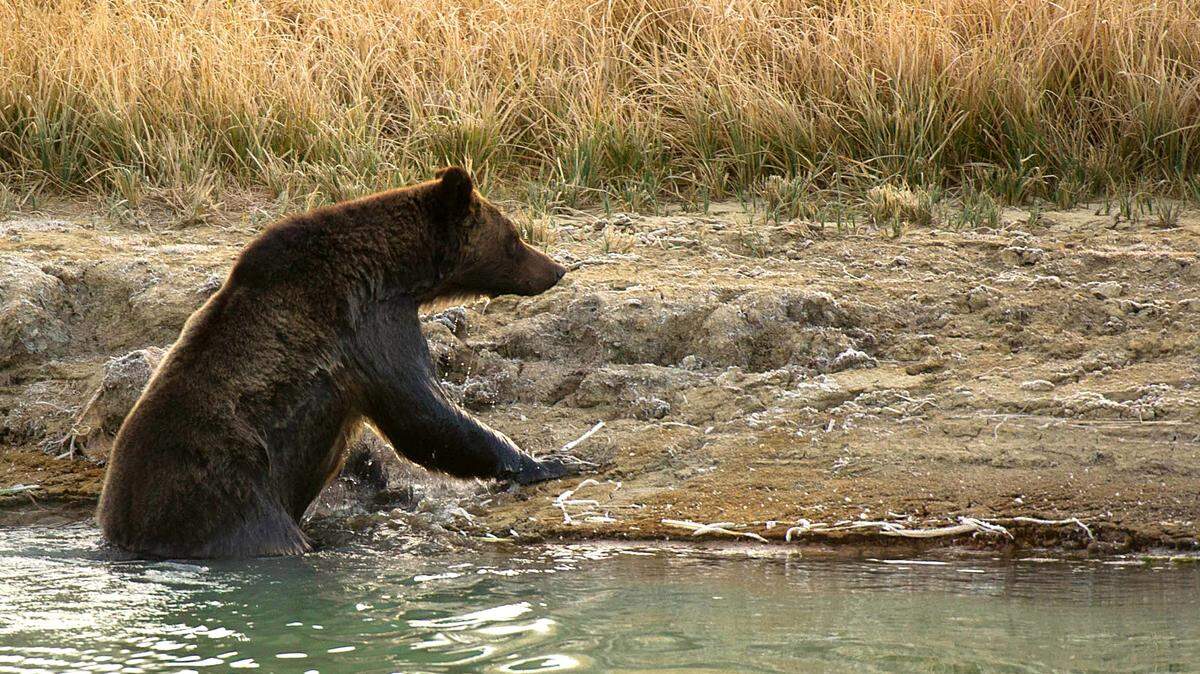
A quietly ambitious experiment in grizzly bear conservation just hit a major milestone — and it could reshape how wildlife managers think about protecting iconic species across the American West.
A female grizzly bear relocated to the Greater Yellowstone Ecosystem has given birth to two cubs, according to an April 8 press release from Montana Fish, Wildlife & Parks (FWP). The bear was originally from the Northern Continental Divide Ecosystem in Montana and was observed emerging from her den this spring with both cubs roughly two years after being moved to Wyoming.
The birth is believed to be her first since relocation, and it represents early evidence that a multi-state strategy to strengthen genetic diversity among grizzly populations is delivering results.
What Makes This Conservation Effort Different
This isn’t a standard wildlife relocation story. The bear was part of a 2024 partnership between Montana Fish, Wildlife & Parks, Wyoming Game and Fish Department and Yellowstone National Park — a coordinated effort designed to build genetic connectivity between two geographically separated grizzly populations. She was one of two bears transferred during the initiative, and her counterpart was classified as a subadult.
At the time of relocation, the female was approximately four years old, an age at which grizzlies approach reproductive maturity. Biologists confirmed the observation during a routine radio-telemetry monitoring flight, capturing images of the bear and her cubs near the den site.
“This is concrete evidence that Montana and Wyoming are committed to sustaining a recovered population of grizzly bears,” FWP Director Christy Clark said in a statement, adding that the development is “a major success” in efforts to support long-term genetic diversity.
The Uncertainty Factor for the Grizzly Bear Cubs
FWP researcher Cecily Costello noted that the timing of the birth aligns with typical grizzly reproduction patterns, as females generally have their first cubs between ages five and six. But there had been real questions about whether this particular bear would reproduce on schedule. After being relocated, she moved extensively — burning energy that could have delayed or prevented reproduction.
“We wondered if that energy expenditure might reduce her chances of reproducing,” Costello noted, “but, from the photo, she appears to be in great condition.”
Still, wildlife officials are cautious about declaring victory. Annual survival rates for grizzly cubs are just above 50% and can be lower for first-time mothers.
“So, we do have to wait and see about the survival of this litter,” Costello said. “Even if this litter does not survive, we expect she will be successful in the future.”
What to Watch For
This story is worth following for anyone interested in how conservation strategies are evolving. The multi-state partnership model — coordinating across agencies and ecosystems — represents an approach that could be applied to other species facing genetic isolation.
The next milestones to watch: whether the cubs survive their first year and whether the second relocated bear also reproduces. If both succeed, the case for scaling this kind of genetic connectivity program strengthens considerably.
For now, two cubs emerging from a den in Wyoming represent something worth paying attention to — a conservation bet that’s starting to pay off.
This article was created by content specialists using various tools, including AI.