
Create a Stunning Hummingbird Paradise with These Must-Have Plants and Bright, Nectar-Filled Flowers
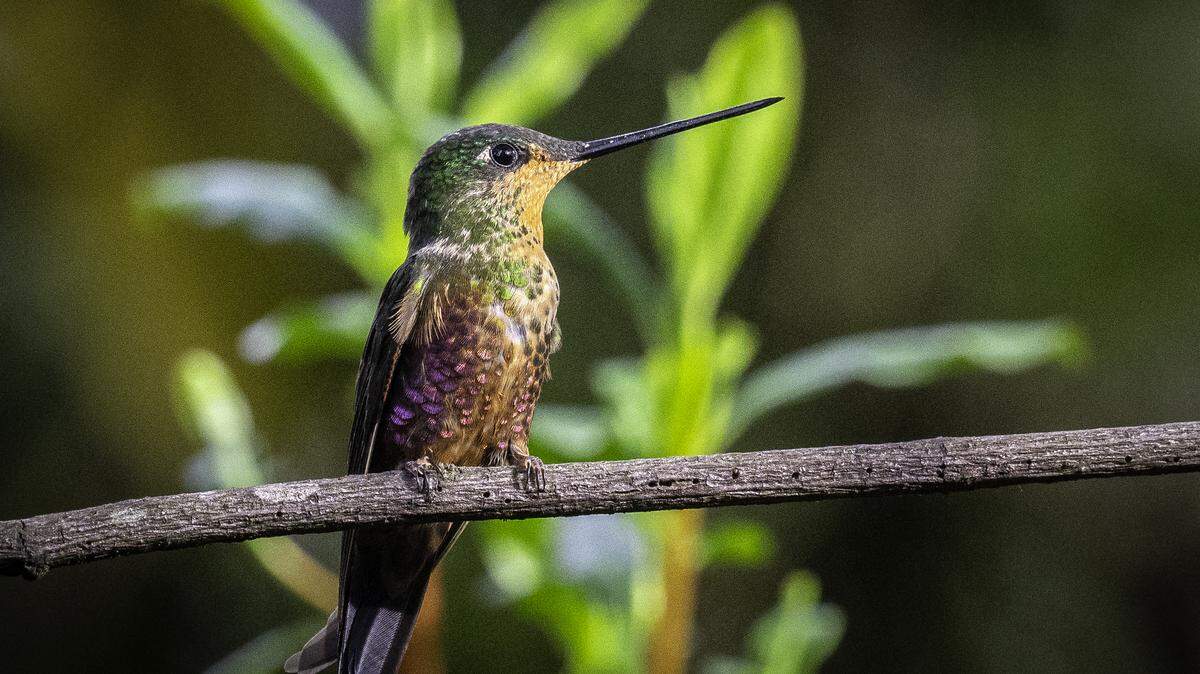
You bought the house. You stared at the yard. And now you’re wondering what to actually do with it. Here’s an idea that’s simple, rewarding and honestly a little magical: plant a few flowers that bring hummingbirds right to your door.
You just need the right plants — many of which are low-maintenance, container-friendly and practically built for beginners. Whether you’ve got a sprawling backyard or a small patio with a couple of planters, you can turn your outdoor space into a hummingbird hangout with a single weekend project.
Start With the Easiest Wins
If you want a plant that basically takes care of itself, lantana is your new best friend. Country Living writes, “Lantana is a sturdy plant that doesn’t mind heat and drought once it’s established. In most of the country, it is an annual, though it can become a perennial shrub in warm climates. Look for new varieties which are not invasive.”
Translation: you plant it, it handles the rest. It thrives in heat, doesn’t need constant watering once it settles in and comes back year after year in warmer areas. For a first-time gardener, that kind of forgiveness is everything.
Petunias are another great starting point — especially red or purple varieties, which hummingbirds are drawn to. The best part? They do wonderfully in containers and planter beds, so even if your outdoor space is a small patio or a rental yard where you can’t dig into the ground, you’re covered. Grab a few pots, fill them with petunias and set them near a window where you can watch the show.
Go Bold With Bee Balm
Ready for something a little showier? Bee balm is one of the most reliable hummingbird magnets you can grow. It produces bright red, pink or purple blooms packed with nectar — basically an irresistible buffet.
Deb Wiley with Birds and Blooms writes: “For a surefire way to attract hummingbirds with flowers, grow bee balm. This beauty grows up to 4 feet tall in full sun and starts flowering in midsummer. You can even find several varieties on the market that are resistant to mildew. Whether you choose natives or cultivated varieties, the birds can’t resist the nectar-rich blooms. Bee balm needs sun, moist soil, and plenty of air circulation to ward off powdery mildew.”
If you’ve got a sunny spot in your yard with decent drainage, bee balm is a great pick that rewards you with weeks of blooms and plenty of hummingbird visits.
The Adventurous Pick: Trumpet Vine
Feeling a little more ambitious? Trumpet vine produces large, trumpet-shaped flowers that hummingbirds love — but it comes with a caveat worth knowing about before you plant.
Arricca Elin SanSone and Christopher Michel for Country Living say, “Trumpet Vine’s long, tubular flowers are deeply attractive to hummingbirds, and ruby-throated hummingbirds in particular. The good news? It’s very easy to grow. The bad news? Though it’s a native plant, it’s an aggressive grower and can be invasive in some parts of the country. The vines can grow upwards of 30 feet in one season! If you’re up for keeping it in check, however, it’s sure to draw birds to your yard.”
So yes, it grows fast and easy — maybe a little too fast. If you’ve got a fence or trellis that could use some coverage, trumpet vine can be a stunning option. Just know you’ll want to prune it regularly.
More Blooms to Explore
Once you’ve got a few starters in the ground or in pots, consider building out your hummingbird garden with a few more options:
- Salvia — Especially red salvia, which blooms for a long stretch and is highly attractive to hummingbirds.
- Honeysuckle — Fragrant flowers rich in nectar. A lovely addition to a fence line or garden border.
- Columbine — An early-season bloomer with nectar-rich spurs, perfect for getting hummingbird activity started in spring.
- Cardinal flower — Vibrant red spikes that strongly attract hummingbirds.
- Butterfly bush — Long flower spikes that draw hummingbirds and bees.
- Weigela — Spring blooms that hummingbirds love.
- Spirea — Provides nectar and attracts insects as well.
You don’t need all of these at once. Pick one or two that catch your eye and add more over time. Gardening is a lot more fun when it doesn’t feel like a homework assignment.
Think Beyond Your Own Yard
Here’s where things get really cool. Your little hummingbird garden doesn’t have to stop at your property line.
Home Depot says, “Trees are an important part of a hummingbird habitat. They provide branches for perching and nesting, protection from predators and a source for the insects that hummers eat. Avoid using herbicides or pesticides to create the optimal pollinator-friendly habitat. Include more than one hummingbird feeder in your yard. Get your neighbors in on the fun and create a pollinator ecosystem in your neighborhood to attract even more hummingbirds.”
Skipping pesticides and herbicides is one of the simplest things you can do. It keeps your yard safe for hummingbirds and all the pollinators that help your garden thrive. And if you can get a neighbor or two to plant some of these same flowers? You’re building something bigger than a garden — you’re creating a whole pollinator corridor on your block.
Your Weekend Game Plan
You don’t need to overhaul your whole yard. Start small: a pot of petunias on the patio, a lantana plant by the front steps or a bee balm in that sunny corner you’ve been ignoring. Add a hummingbird feeder or two and leave the pesticides in the garage.
That’s it. That’s the whole project. And once the first hummingbird shows up, you’ll understand what all the fuss is about.
This article was created by content specialists using various tools, including AI.