Scientists Found Five ‘Lost’ Bird Species in 2025 After Years in Hiding
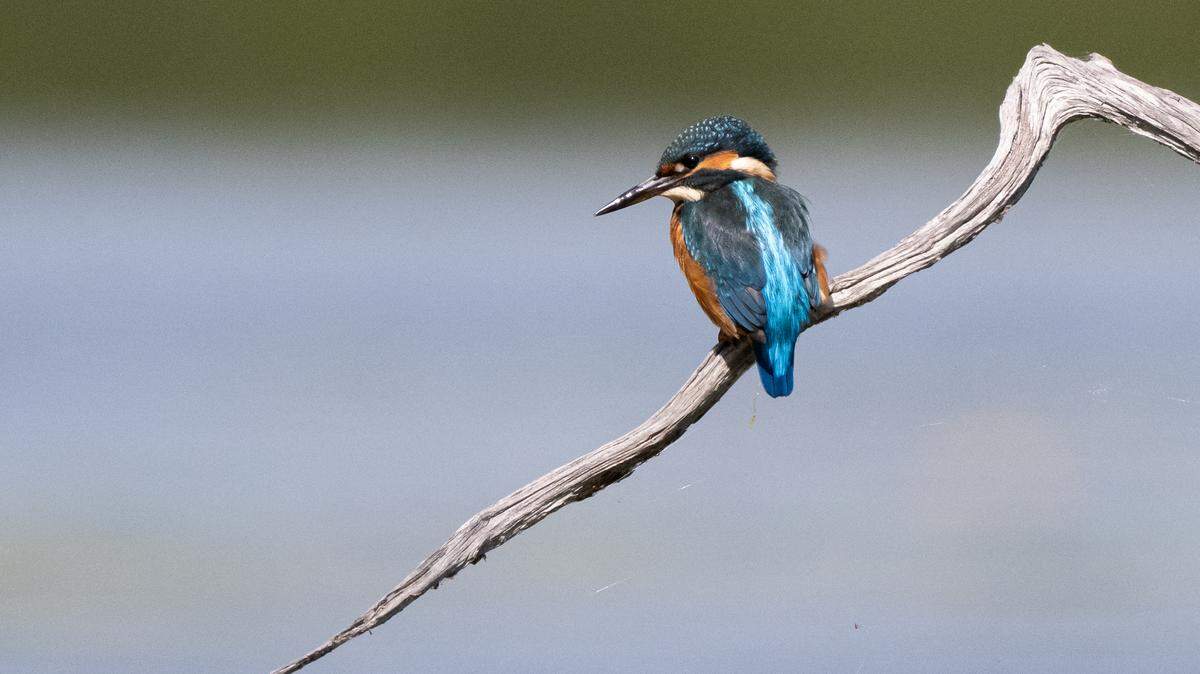
Something unexpected is happening in the world of wildlife conservation. Bird species that scientists hadn’t seen, heard or genetically detected in over a decade are showing up again — and 2025 was a banner year for these rediscoveries.
Five bird species were documented last year after long absences from the scientific record, according to the 2026 update of the Lost Birds List maintained by the Search for Lost Birds project. The project is a collaboration between American Bird Conservancy, Re:wild and BirdLife International, and it tracks species that haven’t been documented for at least a decade using sightings, recordings or genetic evidence.
The result? The total number of “lost” bird species dropped from 163 in 2022 to 120 in the 2026 update.
Where the Rediscoveries Happened
All five species turned up in Southeast Asia and Oceania:
- The Bismarck kingfisher was photographed in May in Papua New Guinea’s Bismarck Archipelago after 13 years without records.
- The Biak myzomela was photographed in Indonesian Papua after being unrecorded for two decades.
- The broad-billed fairywren was photographed and recorded by sound in Indonesian Papua — its first documentation in 11 years.
- The Sulu cuckooshrike was photographed in the Philippines’ Sulu Archipelago after 18 years without records.
- The rufous-breasted blue flycatcher was photographed on Luzon Island, Philippines, after last being seen in 2008.
One additional species came close but isn’t confirmed yet. Jerdon’s courser, a critically endangered nocturnal bird in South India, was recorded by sound after not being documented for 125 years. Photographs are still needed to verify the rediscovery.
Then in February 2026, two French birders photographed a rusty bush lark in Chad — a species that hadn’t been documented for 94 years.
How Citizen Science Is Driving Discoveries
What makes this trend worth watching is the method behind it. John Mittermeier, director of the Search for Lost Birds project, described the list as an “early warning system” for species that haven’t been observed recently. He said it helps “fill conservation data gaps” before formal assessments identify species at risk of extinction and allows conservation efforts to target species that might “potentially slip between the cracks.”
The team identifies rediscoveries by reviewing public platforms such as eBird, iNaturalist and Xeno-Canto — tools that everyday birdwatchers and nature enthusiasts already use.
“The most fun part for me of this whole initiative and experience is seeing these discoveries that people around the world are making,” Mittermeier said.
That detail matters. These rediscoveries aren’t happening solely in elite research labs. They’re being made by people in the field with cameras and sound-recording equipment, then shared on open platforms where scientists can verify the findings.
The List Keeps Evolving
The Lost Birds List is separate from the International Union for Conservation of Nature Red List, which assesses extinction risk over time. The Lost Birds List instead identifies species that haven’t been observed for long periods but aren’t yet confirmed extinct.
Rediscovery, extinction and taxonomic changes all affect the list’s composition. Mittermeier noted that confirming extinction ensures “we’re not putting effort into looking for something that isn’t there and doesn’t exist.”
Six species will be added to the list in 2026 due to a lack of recent documentation, including the Mindoro bleeding-heart (last photographed in 2005 in the Philippines), the Mindoro imperial pigeon, the Guadalcanal honeyeater, the Minahasa shortwing, the Samoan white-eye and the Vanikoro white-eye.
The shrinking lost list signals a shift in how conservation works. Open-source platforms, global collaboration and citizen science are combining to locate species that might otherwise vanish unnoticed. If you follow wildlife conservation or care about biodiversity, the Search for Lost Birds project is one initiative worth keeping on
This article was created by content specialists using various tools, including AI.
This story was originally published April 8, 2026 at 4:00 PM.