
How to Get Rid of Wasps Without an Exterminator Using Cheap DIY Home Remedies
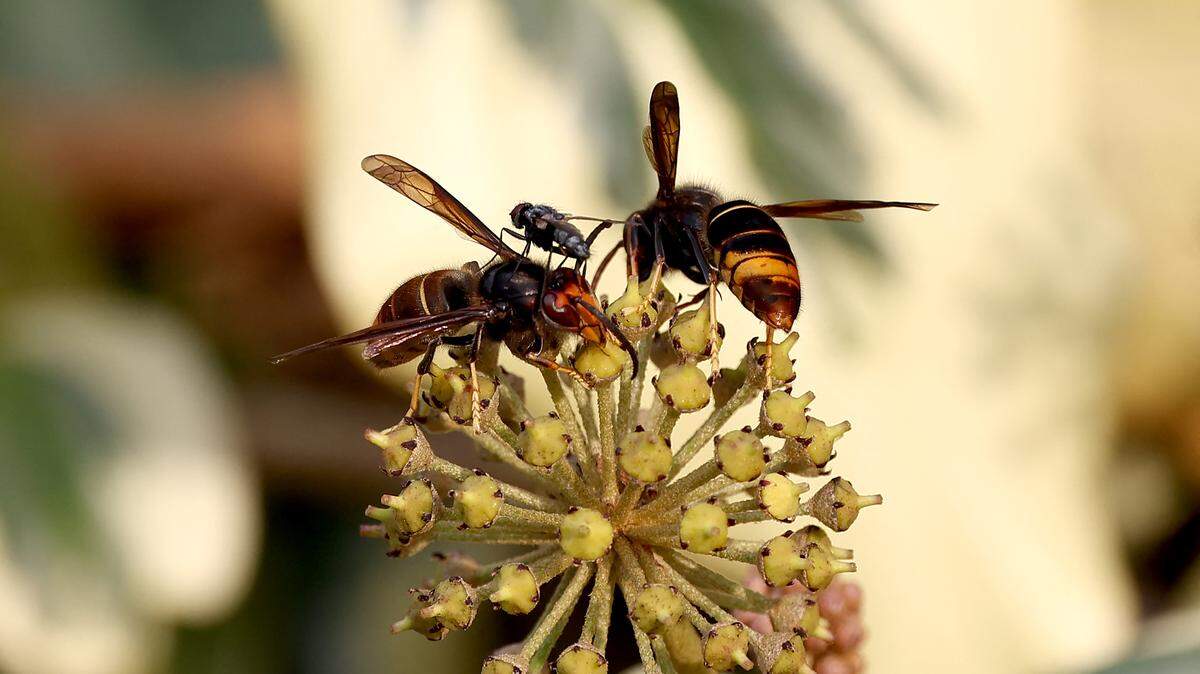
If wasps have taken over your porch, patio or backyard, your first instinct might be to call an exterminator. But before you spend money on a service call, take a look around your kitchen. Several effective wasp control methods rely on items you probably already have at home — and they cost next to nothing.
Whether you’re renting a place and can’t make structural changes or you’re a first-time homeowner watching every dollar, these DIY approaches can help you reclaim your outdoor space on a budget.
Build a Homemade Sugar-and-Vinegar Trap to Get Rid of Wasps
This is the cheapest and simplest method you can try right now. Fill a container with water, sugar and a little vinegar. The sugar draws wasps in, while the vinegar keeps bees away. Wasps go in and can’t get out.
That’s it — three pantry staples and a container you already own. No trip to the hardware store required. For renters especially, this is ideal because it’s completely reversible. You’re not mounting anything, drilling holes or altering the property in any way. Just set the trap near problem areas, and you’re in business.
For best results, place the trap away from where you actually sit or eat outdoors. The goal is to lure wasps away from your gathering spots, not toward them.
Use Peppermint Oil as a Natural Repellent to Get Rid of Wasps
Peppermint oil is affordable, widely available and useful for far more than just wasp control. Michael Clark tells The Spruce, “If you see wasps congregating in an area of your yard, you can take a cotton ball soaked in peppermint oil and place it near these areas or spray a mixture of water and peppermint oil to keep them away.”
A small bottle of peppermint oil goes a long way. You can soak cotton balls and tuck them into corners of your patio, near doorframes or along windowsills. Or mix the oil with water in a spray bottle and mist the areas where you’ve noticed wasps gathering. Either approach is simple, and because you’re not painting walls or applying permanent treatments, it’s renter-friendly.
Hang Decoy Nests to Keep Wasps Away
Here’s a creative trick that takes advantage of wasp behavior: wasps are territorial. If they think another colony is already established nearby, they’ll avoid the area entirely. Hanging a decoy nest can make your yard look like someone else’s turf.
Pestline Pests writes: “Make them yourself or buy them in hardware stores and garden centres. Wasp traps are simple and effective. They lure in the critters with a sugary, sticky solution via a narrow entrance they can’t fly out of. The wasps get stuck in the liquid and can’t get out again. During the summer they’ll keep the odd wasp from interfering with your barbeque, but they can’t tackle an entire nest.”
Making your own decoy nest can be as simple as crumpling a brown paper bag and hanging it under an eave. It’s a low-cost, low-effort deterrent worth trying before you invest in store-bought products.
Seal Up Entry Points to Get Rid of Wasps
If wasps are getting inside your home, gaps in your walls and windows are likely the culprit. Pestline Pest writes: “Wasps will sneak into your home in even the tiniest of gaps. Whether it’s a space between your wall sidings, a decay in the double glazing, or small holes at the corners of your windows, a wasp will find its way in. Patch up the holes and fill in the cracks with expandable sealant, or call a decorator for a thorough service if it’s more than just the odd hole around your home. Do this during the autumn and winter months before the worker wasps become active again.”
If you’re renting, talk to your landlord before applying sealant. In many cases, pointing out pest entry points can motivate a landlord to handle the repair at no cost to you.
Clean Up What Attracts Them in the First Place
Even the best traps and repellents won’t do much if your yard is rolling out the welcome mat for wasps. A few simple habits can make a major difference:
Eliminate standing water sources. Birdbaths, clogged gutters and plant trays attract wasps looking for hydration. Keep water sources clean or remove them entirely. Cover and clean outdoor food areas. Wipe down grills, outdoor tables and patio areas after use. Sugary residue and meat smells are major wasp attractants. Use tight-fitting trash can lids. Garbage is one of the biggest wasp magnets. Use sealed bins and rinse them regularly to reduce odor. Install wasp traps around the perimeter. Place traps away from seating areas to lure wasps away from where you gather — not toward it.
Start Small and See What Works
You don’t need to do everything at once. Start with the sugar-and-vinegar trap and a few peppermint oil cotton balls — both cost almost nothing and take minutes to set up. If wasps persist, add a decoy nest or focus on cleaning up attractants around your yard.
The key is that you can handle this yourself. Most wasp problems in a typical backyard or patio don’t require professional intervention. With a few dollars’ worth of pantry staples and a little effort, you can take back your outdoor space this season.
This article was created by content specialists using various tools, including AI.
This story was originally published April 3, 2026 at 2:25 PM.