‘Mysterious’ Cone-Shaped Object on Mars Has One Astrophysicist Feuding With NASA
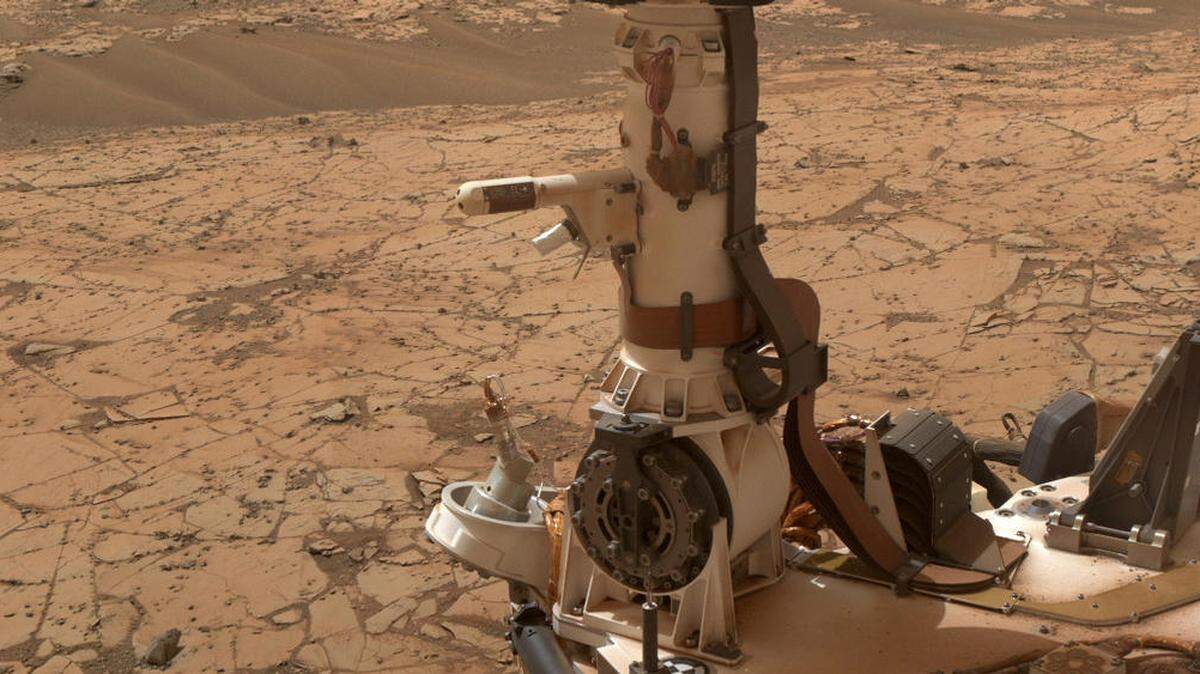
At first glance, it was nothing more than a dusty, rust-colored Martian landscape littered with rocks.
Then, among the rubble, something caught the eye — a small, shiny, cone-shaped object that looks a lot like a metallic party hat just sitting on the surface of another planet.
That’s essentially what happened when an amateur Mars researcher named Rami Bar Ilan spotted the object in NASA’s photo archive.
The image, taken in the Martian regolith of the Paraitepuy Pass — a narrow gap in the Gale Crater situated on the slopes of Mount Sharp, was originally photographed on August 7, 2022, by the Mast camera onboard NASA’s Mars Curiosity rover.
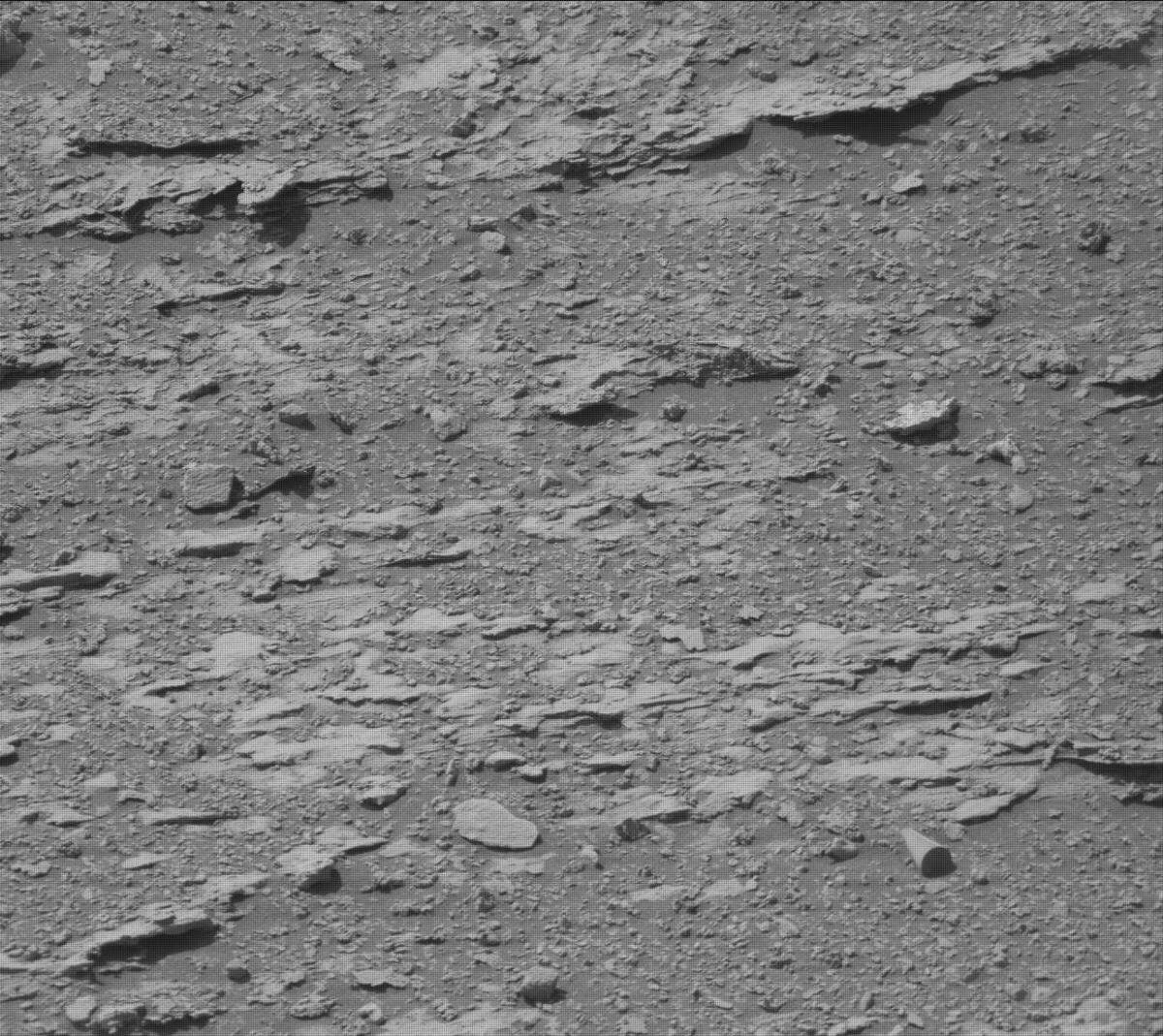
And now a Harvard astrophysicist and NASA are in a public disagreement over what, exactly, that thing is.
Harvard Scientist Presses NASA for Answers
Harvard University astrophysicist Avi Loeb learned about the object through Dr. Jan Spacek of the Florida-based Foundation for Applied Molecular Evolution.
In a March 7 post on Medium, Loeb shared the Curiosity rover photo with a theory.
“The shiny object has a perfectly round cylindrical shape with a length of about 20 centimeters and a flat end,” Loeb wrote in his post. “The most likely explanation is that it corresponds to human-made debris.”
He didn’t stop there. Loeb publicly urged NASA to redirect the Curiosity rover — which was about eight kilometers away — to go back and investigate the object up close.
“In my opinion, NASA should prioritize going back to examine the cylinder relative to the more mundane tasks of the Curiosity rover is pursuing,” Loeb told The New York Post on March 14.
“NASA is funded by the taxpayers and if we poll taxpayers they would likely agree with me that understanding the origin of the mysterious cylinder should be the top priority of Curiosity,” Loeb added.
NASA Responds With Conflicting Theory
NASA wasn’t exactly on the same page. A NASA spokesperson identified the object in an interview with The New York Post, published March 28, calling it a naturally occurring rock shape likely formed by Martian winds.
“We’ve seen many, many Martian rocks that exhibit shapes that, from a particular angle, look like a more familiar shape,” the spokesperson said.
NASA also said the cone is only one centimeter in size — far smaller than Loeb’s earlier estimate of 20 centimeters. The rover reportedly photographed it from a distance of just 13 feet away.
The agency chalked it up to pareidolia — the psychological phenomenon where people perceive familiar patterns in random or ambiguous shapes. Think of seeing a face in a cloud or an animal in a stain on the ceiling.
Mars, it turns out, is full of these tricks. And honestly? The Red Planet has a track record of this.
Other notable wind-carved formations on Mars include a “flower” smaller than a penny that resembled a coral, a rock nicknamed “Terra Firme” that looks like an open book with flaked pages.
Avi Loeb Isn’t Buying What NASA Is Selling
But Loeb wasn’t ready to let it go. He rejected NASA’s explanation and stood by his 20-centimeter size estimate. His argument? The object has a smooth cylindrical surface with a flat end — not exactly what you’d expect from a natural rock.
He also pointed out that no other rocks resembling the object appear anywhere in the surrounding Curiosity rover images.
“The image clearly shows that there is no rock resembling this anomalous object within its natural environment,” Loeb told The Post.
“Also, a rock is not expected to have a smooth cylindrical surface with a flat end. If this object is a rock, we should see other examples of it,” he stated.
Loeb even challenged NASA to produce another example of a similarly shaped rock from any Curiosity rover image.
Whether you side with the Harvard astrophysicist or NASA, one thing is clear: Mars keeps finding ways to make us look twice.
This article was created by content specialists using various tools, including AI.