A Carnivorous Lizard Is Taking Over Florida and It's Nearly Impossible to Catch or Remove
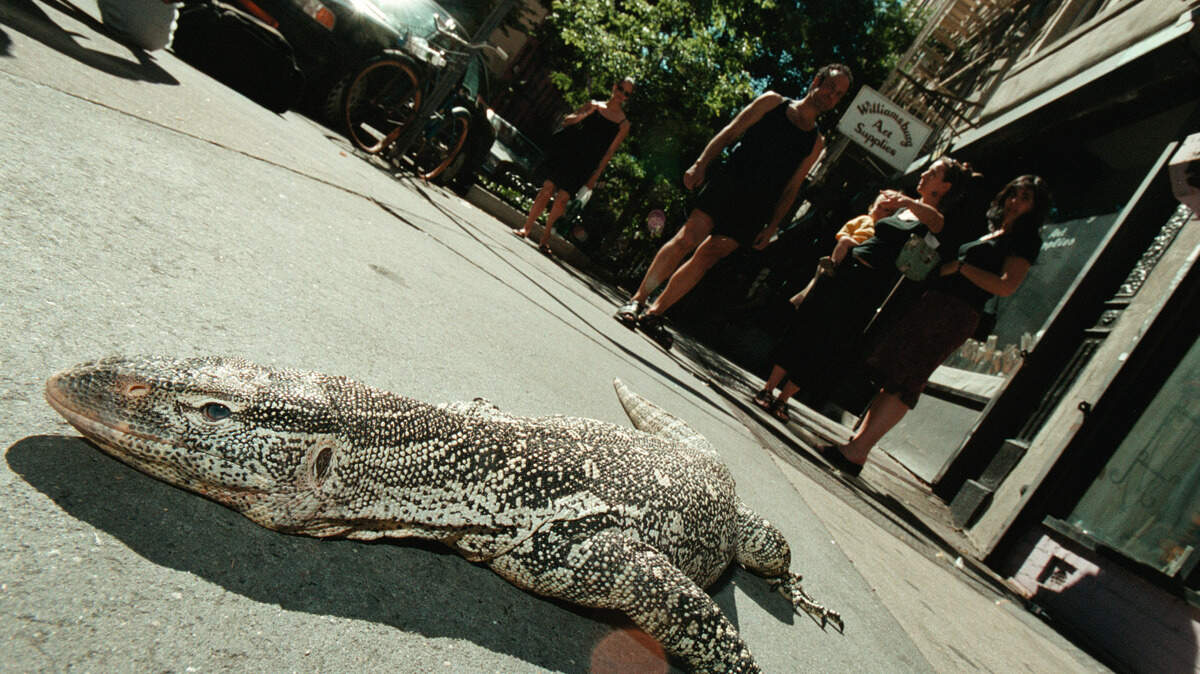
Nile monitor lizards, a powerful invasive predator that can grow up to 7 feet long, are establishing breeding populations across multiple South Florida counties, and wildlife officials say the window to control them is closing fast.
South Florida has long dealt with invasive species, but this fast-spreading newcomer is raising urgent alarms among ecologists and wildlife officials.
The Nile monitor is a large carnivorous reptile that preys on native wildlife and has proven extremely difficult to capture or remove from the wild.
The Nile monitor is not native to Florida and is not protected in the state except by anti-cruelty law, per the Florida Fish and Wildlife Conservation Commission (FWC).
These lizards were first introduced to the state roughly 40 years ago and were added to Florida’s prohibited species list in 2021.
“You cannot wait until an invasive species has demonstrated its impact upon the ecosystem,” Frank Mazzotti, a professor of wildlife ecology at the University of Florida, told ABC News. “Because if you do, then it’s too late.”
A Carnivore Unlike Florida’s Other Invasive Reptiles
Unlike green iguanas, another well-known invasive reptile in Florida, Nile monitors are carnivores that actively hunt native animals. They are not picky about what they eat.
Nile monitors have been observed eating turtles, snakes, young crocodiles and other reptiles, birds and their eggs, and small mammals. That wide-ranging diet means they pose a direct threat to a broad swath of Florida’s native animal populations, disrupting food chains and ecosystems already under pressure.
Their predatory nature is one concern. Their temperament is another.
“They’re very wild, they’re very active,” Mazzotti said. “They don’t make good pets at all. They don’t calm down.”
“They’re crazy,” he added. “They’re very hard to handle, and you have to take great care that they don’t escape and that you don’t get bit.”
These animals are not afraid to bite or scratch humans, making encounters risky for residents and wildlife officials alike.
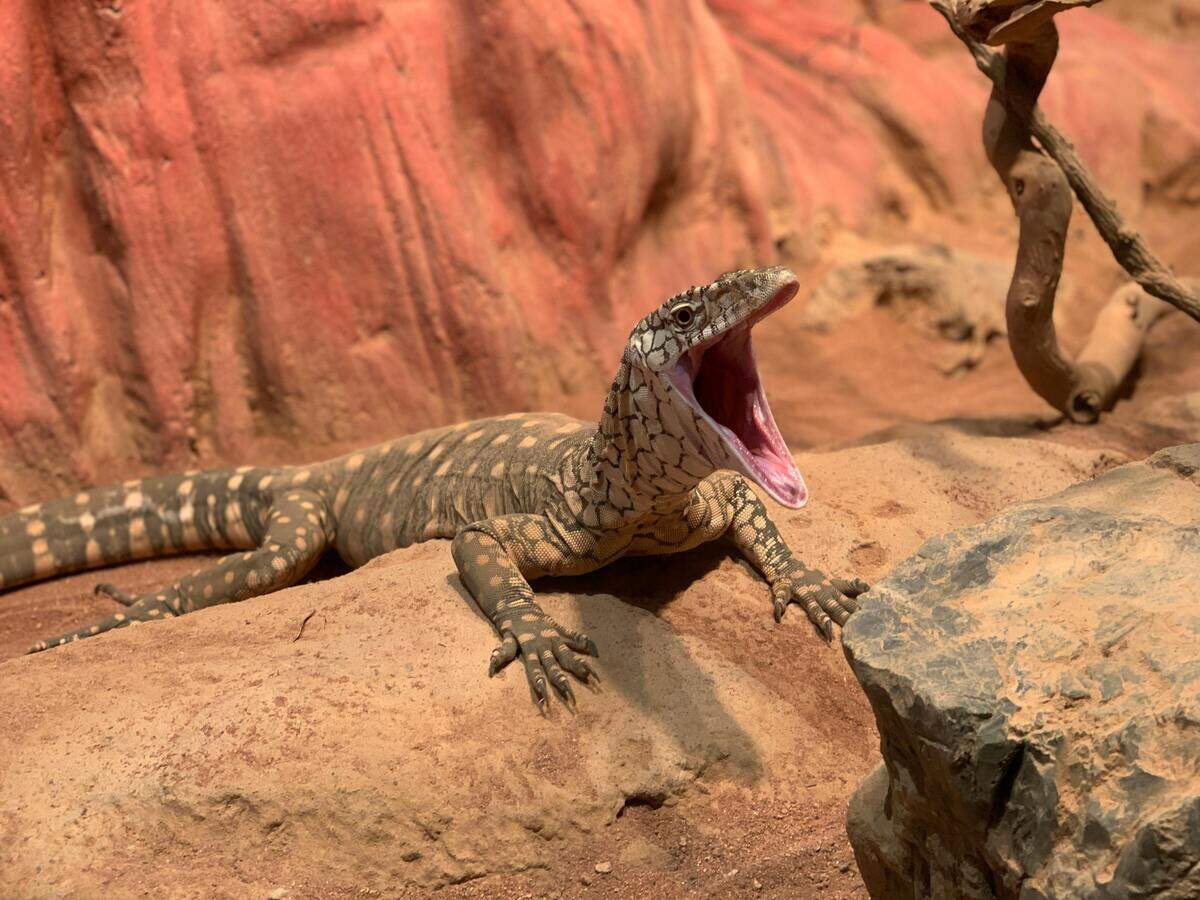
Their combination of size, speed, agility and aggression sets them apart from other invasive reptiles that Floridians may be accustomed to seeing in their backyards.
Catching Them Is Like ‘Catching a Tornado’
One of the most alarming aspects of the Nile monitor invasion is how difficult they are to remove from the wild. The FWC says they need to be removed, but catching them is another matter entirely.
Snake hunter Mike Kimmel, who has hands-on experience attempting to capture them, described the challenge in vivid terms.
“Using traps and catching them with the dogs – I’ve interacted with them alive before and they are…it’s like catching a tornado,” Kimmel told Local10. “Swim, burrow, they climb trees, they are like modern day velociraptors.”
Nile monitors can swim, burrow underground, and climb trees, making them adept at escaping traps and evading capture. They thrive in humid environments and can travel over land and in both fresh and saltwater.
On top of that, they have a high reproduction rate, which means their numbers can grow quickly even as removal efforts are underway. The FWC views these monitor lizards as a high priority nonnative species for removal.
How to Spot a Nile Monitor Lizard
Nile monitors have a distinctive appearance. They are olive-green or black with yellow stripes on their head and jaw, and they can grow up to 7 feet long and weigh up to 20 pounds.
They have razor-sharp claws, a long split tongue, and a lengthy muscular tail.
A 7-foot-long lizard weighing up to 20 pounds is far larger than most reptiles residents would typically encounter, and those claws and muscular tails can cause real harm if a person or pet gets too close.
The FWC is monitoring breeding populations in Miami-Dade, Broward, Palm Beach, and Lee counties, according to ABC News.
That geographic spread covers a large swath of southern Florida, encompassing both heavily urban areas and more rural regions with waterways and natural habitats where the lizards can thrive.
Their ability to travel over land, through fresh water, and even in saltwater means natural barriers do little to slow their expansion. Combined with their high reproduction rate, containment is a formidable challenge for state wildlife managers.
What Residents Can Do
Florida law gives residents a clear pathway to help.
Nile monitors can be captured and humanely killed year-round and without a permit or hunting license, even on private property with the landowner’s permission, due to their impacts to native wildlife, per the FWC.
That level of open access reflects how seriously state wildlife officials take the threat. However, given the animals’ aggressive nature and the difficulty of capturing them, residents should exercise caution.
Anyone who spots a Nile monitor should be aware these animals will not hesitate to defend themselves. Their sharp claws, powerful tails, and willingness to bite make them a genuine safety concern during any capture attempt.
A Race Against Time
Nile monitors were first introduced to Florida about 40 years ago, but they were not added to the state’s prohibited species list until 2021.
That long gap between introduction and regulatory action underscores the challenge of responding to invasive species before they gain a firm foothold.
Now, with breeding populations documented across four South Florida counties and the species showing no signs of slowing down, the race to manage their numbers is on.
Whether trapping efforts, hunting, and public awareness will be enough to curb their spread remains to be seen.
BOTTOM LINE: Wildlife officials and ecologists agree the time to act against Nile monitors is now — before the species becomes too established to control.
Production of this article included the use of AI. It was reviewed and edited by a team of content specialists.