Two Marsupials Thought Extinct for 7,000 Years Found Alive in New Guinea
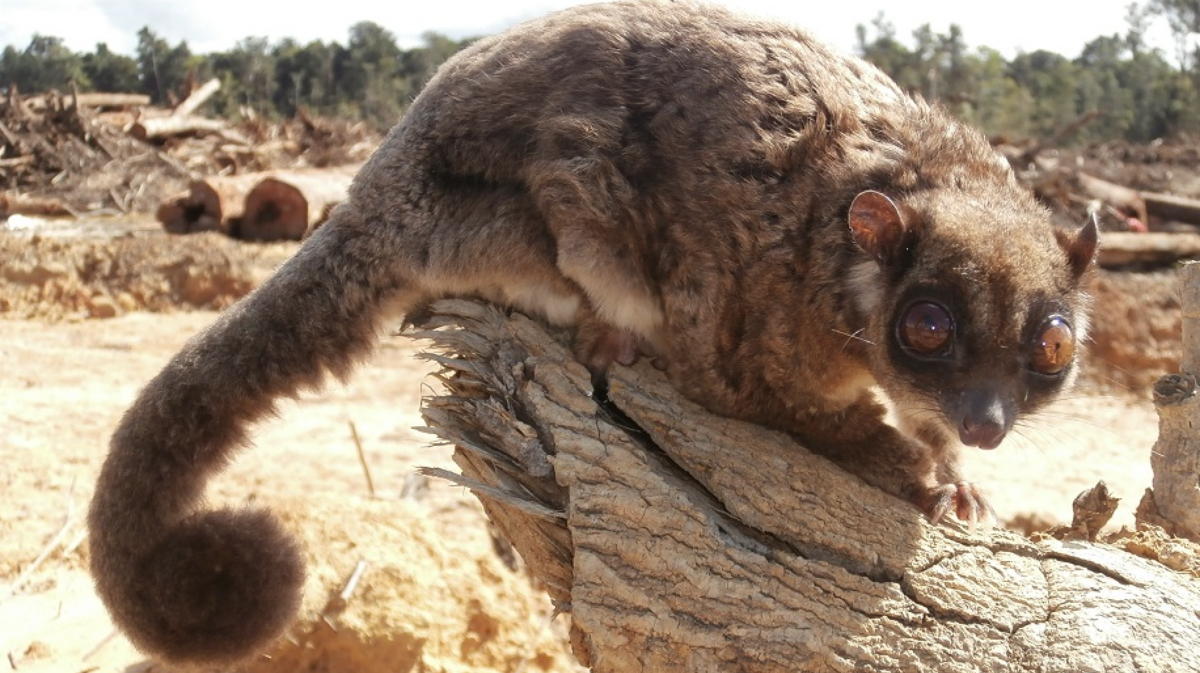
Scientists have confirmed that two marsupial species — the pygmy long-fingered possum and the ring-tailed glider — are alive in New Guinea after being known only from fossil evidence for more than 7,000 years.
The Bishop Museum in Honolulu announced the discovery on Tuesday. Both species had previously been presumed to have vanished thousands of years ago, known to science only through ancient remains pulled from the earth.
Dr. Kristofer Helgen of the Bishop Museum and Dr. Tim Flannery of the Australian Museum conducted research over the past two years to confirm the animals’ existence. Their work involved not only traditional scientific methods but also collaboration with Indigenous communities and citizen scientists.
“To be able to say that they indeed are alive brings me joy as a scientist and conservationist. It feels like a second chance to learn about, and protect, these remarkable animals,” Helgen said in a news release.
What ‘Lazarus Species’ Means
The two marsupials have been classified as “Lazarus species,” a scientific term for organisms that reappear after having been thought extinct. The name draws from the biblical story of Lazarus, who was raised from the dead.
In biology, a Lazarus species is one that vanishes from the fossil record or from scientific observation for a prolonged period, only to turn up alive later. The designation captures both the humility of science and the thrill of rediscovery.
“The discovery of two Lazarus species, thought to be extinct for millennia, is unprecedented,” Flannery said in the press release.
That word — unprecedented — carries real weight. Finding even one species long thought gone is rare. Finding two from the same region, confirmed through overlapping lines of evidence, is something Flannery described as being without precedent.
It Started With Ancient Teeth
The story of these two species reads like a decades-long detective case, with each clue building on the last.
It began in the 1990s, when Dr. Ken Aplin first identified the species through fossils. The key evidence was teeth belonging to the animals, excavated during an archaeological dig in western New Guinea.
From those teeth, Aplin was able to describe and classify two marsupial species. But with no living specimens and no modern sightings, they were presumed to have disappeared thousands of years ago.
For years, the story rested there: two species known only by the shape and wear of ancient teeth, filed away in the scientific record as long gone.
Then came a photograph.
Helgen later identified one of the species after seeing a photograph of the gliding ring-tailed possum in the wild. He recognized it as one of the species Aplin had previously classified as extinct.
That moment required sharp-eyed expertise — a scientist looking at an image of a living animal and connecting it, across years and continents, to fossils described by a colleague from teeth found in the ground. It is the kind of recognition that comes only from deep knowledge and careful study.
A Jar on a University Shelf
The pieces of the puzzle continued falling into place through both old and new channels.
Researchers discovered two preserved specimens of the pygmy long-fingered possum in a jar at the University of Papua New Guinea. These specimens provided evidence that the species had survived more recently than previously believed.
Two small marsupials, preserved and sitting in a university collection, held quiet proof that a species declared extinct had in fact persisted.
Additional evidence confirming the pygmy long-fingered possum’s survival came from an unexpected source: citizen scientist Carlos Bocos, who posted photographs of the animal on the platform iNaturalist.
Bocos later became a co-author on the study documenting the species’ survival. That recognition speaks to the vital role everyday observers can play in advancing scientific knowledge.
Platforms like iNaturalist allow people around the world to contribute their observations. In this case, a photograph posted online helped confirm the survival of a species thought to have vanished millennia ago.
Indigenous Communities Were Essential
Perhaps the most meaningful thread in this story involves the Indigenous communities who helped make the confirmation possible.
Indigenous communities in the Tambrauw and Maybrat regions of West Papua assisted scientists in identifying the animals based on their knowledge of the marsupials’ behavior and lifestyle. Their contributions were not incidental — they were essential.
These communities carried knowledge about these creatures that Western science had not yet caught up to, knowledge rooted in generations of living alongside the animals in their natural habitat.
The collaboration highlights something researchers across many disciplines have increasingly come to recognize: Indigenous ecological knowledge can be a powerful complement to formal scientific methods.
A Story Built From Unlikely Clues
The confirmation of these two species came not from a single breakthrough but from an accumulation of evidence spanning decades and continents.
Ancient teeth from an archaeological dig. A photograph recognized by the right scientist at the right moment. Preserved specimens found in a jar at a university. Pictures posted online by a curious observer. And the quiet, enduring knowledge of the people who share the forest with these animals.
Each piece of evidence, on its own, told only part of the story. Together, they confirmed that two species thought to have vanished 7,000 years ago are still out there.
In a time when headlines about the natural world often carry a heavy sense of loss — vanishing species, shrinking habitats — this discovery offers something different.
Helgen said the rediscovery demonstrates that “extinction can be averted,” adding, “It’s a message of hope, one of second chances.”
Production of this article included the use of AI. It was reviewed and edited by a team of content specialists.