Scientists Thought This Frog Was One Species. Genomic Analysis Reveals Six or Seven.
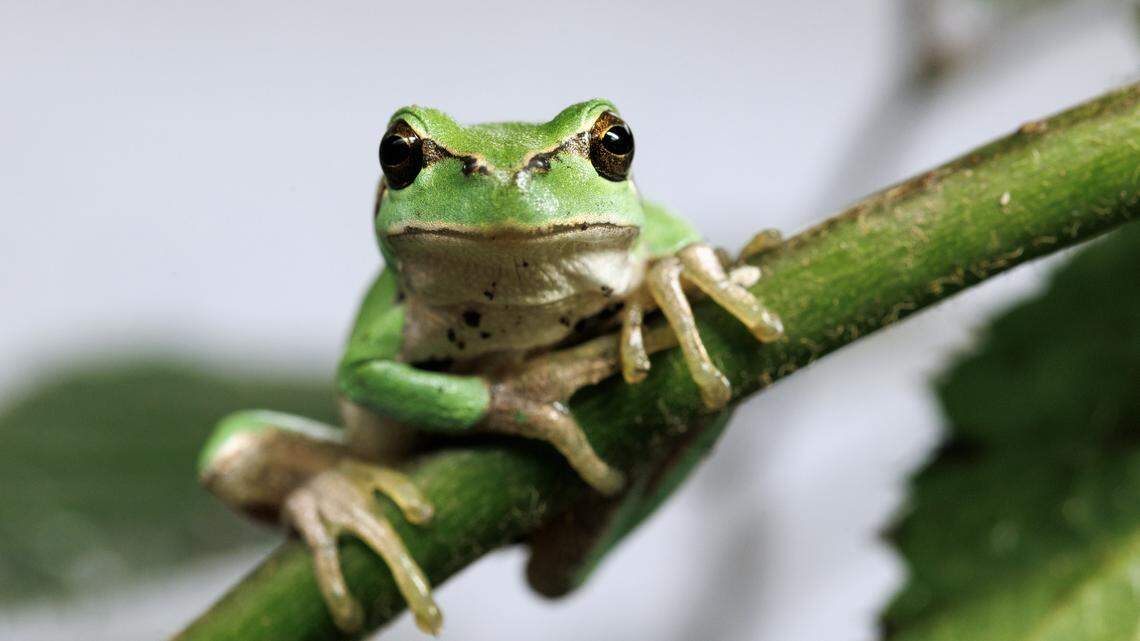
A new genomic study of fanged frogs in Borneo found that what science classified as a single species for nearly two centuries is actually six or seven genetically distinct species — a discovery that highlights how much of Earth’s biodiversity remains hidden.
For nearly two centuries, a group of fanged frogs across Southeast Asia was classified as one species, Limnonectes kuhlii, first recognized by science in 1838. A genomic analysis published Jan. 14 in the journal Systematic Biology upends that classification. The frogs fall into six or seven genetically distinct species, despite looking nearly identical to one another.
Chan Kin Onn, a herpetologist at Michigan State University who led the research, and his colleagues analyzed DNA from frog specimens collected across the mountain rainforests of Malaysian Borneo. They examined more than 13,000 genes across the frogs’ genomes.
Genetic studies over the past two decades had hinted that the frogs might represent as many as 18 different species. The new data landed in the middle.
“It’s not just one species. But it’s not 18 species, either,” Chan said.
The ‘Gray Zone’ Between Species
Animals that look similar but are genetically distinct are called cryptic species. Advances in genetic sequencing have accelerated discoveries of these hidden species, Chan said, and the Bornean fanged frogs are a vivid case study.
The researchers detected significant interbreeding between the frog populations. “We found a ton of gene flow going on,” Chan said. Because genetic material moves between populations, the boundaries between potential species become blurred.
Chan said some proposed cryptic species may reflect differences in scientific methods rather than clear biological divisions. “It’s not like all of a sudden, boom. It’s more of a speciation ‘gray zone’ that can make it hard to draw the line,” he said. “It’s more of a continuum.”
How New Species Actually Get Discovered
The popular image of species discovery involves an explorer stumbling across a strange creature in an untouched jungle. Chan described a different reality. “Most people have this image of an intrepid explorer braving an isolated mountain or some other remote place, and stumbling across a creature that no one has ever seen before,” he said. “But most of the time it’s far less glamorous.”
Many new vertebrate species are identified by revisiting known populations and using improved data and technology to assess whether they are more genetically distinct than previously understood. Chan noted there are more than 9,000 amphibian species worldwide, with roughly 100 to 200 new species added each year. Most of those additions come from genomic reassessment, not jungle expeditions.
The Bornean fanged frogs, named for tooth-like projections on their jaws, are small, brown, and live across Southeast Asia. Nothing about their appearance suggests multiple species. Only the DNA tells a different story.
What This Means for Counting Life on Earth
Earlier estimates suggested Earth contained about 8.7 million species. Newer models that account for cryptic species indicate the total could be anywhere from seven to 250 times higher than that estimate.
A 2023 global study of roughly 8,000 amphibian species found that two out of five amphibian species are threatened with extinction, making them the most endangered group of vertebrates. If far more species are hiding in plain sight than anyone counted, the scale of potential loss grows with them.
“There are so many species in the world that we still haven’t discovered, and that could go extinct before we can give them a name,” Chan said.
Similar genetic studies across animals, including insects, fish, birds and mammals, suggest that many species could still be undiscovered.
Why More Species Isn’t Automatically Good News
Identifying hidden species creates a conservation tension. Chan cautioned that splitting species too aggressively can complicate conservation decisions. Resources for protecting wildlife are finite, and every new species designation changes how those resources get allocated.
“We cannot possibly conserve everything, so we have to triage and decide how to allocate limited resources toward what we think are the highest priorities,” Chan said. “We could be putting names on things that shouldn’t be prioritized.”
Production of this article included the use of AI. It was reviewed and edited by a team of content specialists.