Scientists Went Looking For an Extinct Fish in South Africa. They Found Something No One Had Ever Seen.
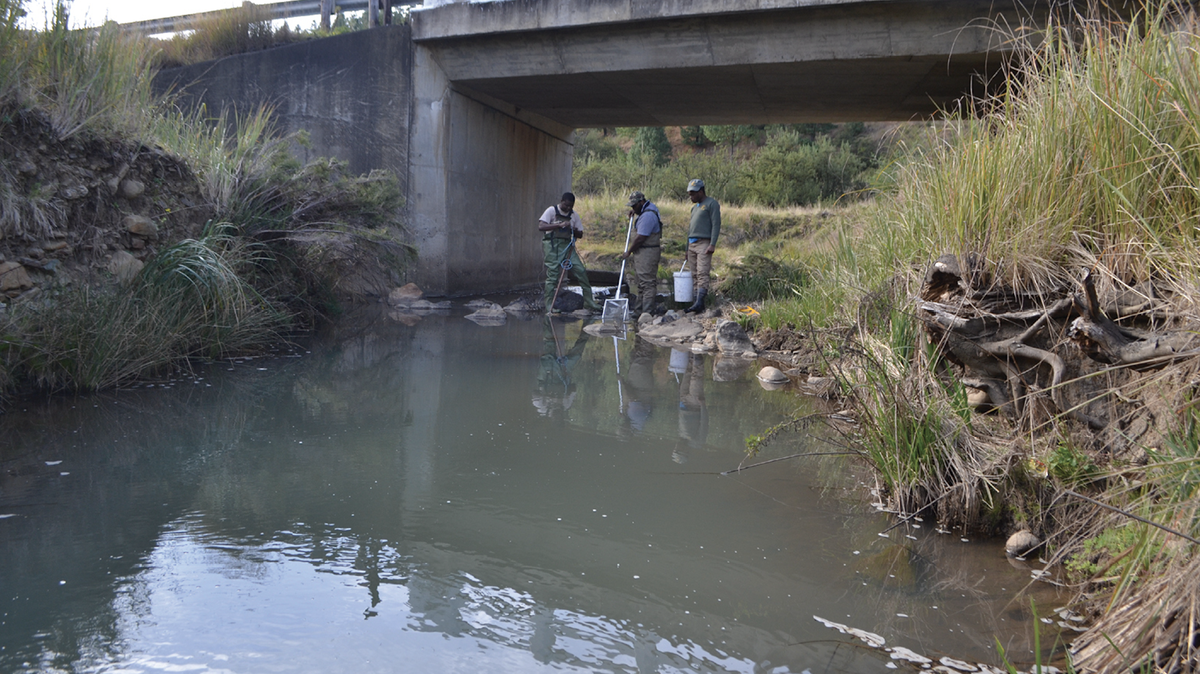
A team of researchers set out to find a tiny minnow everyone assumed was gone forever. They trekked to a remote river in eastern South Africa, cast their nets, and pulled up a dozen little fish that looked remarkably like the extinct species they’d come searching for.
Those fish weren’t the lost species at all. They were something no one had ever documented.
The full story of the discovery, which took place during a 2017 expedition to the Umzimkhulu River, was published Jan. 2 in the peer-reviewed journal Zoosystematics and Evolution.
The Expedition Started With a Hopeful Hunch
The research team — Fatah Zarei, Xiluva Mathebula and Albert Chakona — traveled to the Umzimkhulu River to search for the Maluti redfin minnow, a species that had been abundant in a nearby area during the early 1900s.
The Maluti redfin minnow was eventually declared extinct due to “predation and competition” with introduced trout, according to the study. But the researchers weren’t ready to accept that verdict. They hoped the species might only be locally extinct — that somewhere, in some overlooked stretch of water, undiscovered populations had quietly survived.
A Dozen Fish That Raised More Questions Than Answers
During their search, the scientists caught a dozen minnows bearing a strong resemblance to the extinct Maluti redfin minnow. At first glance, it must have seemed like confirmation of the team’s hopes.
Confirming the identity of those fish turned out to be far more complicated than anyone anticipated. Whether the minnows were truly the extinct species became what the study called a “long-standing debate” — a mystery that lingered for years as researchers worked to settle the question.
The resolution came through careful detective work. Researchers conducted DNA analysis, examined the fish’s physical characteristics and compared them to related species.
The results were unambiguous. The fish were not the lost Maluti redfin minnow. They were a new species entirely: Pseudobarbus kubhekai, commonly known as the Umzimkhulu redfin minnow.
How DNA Settled a Years-Long Debate
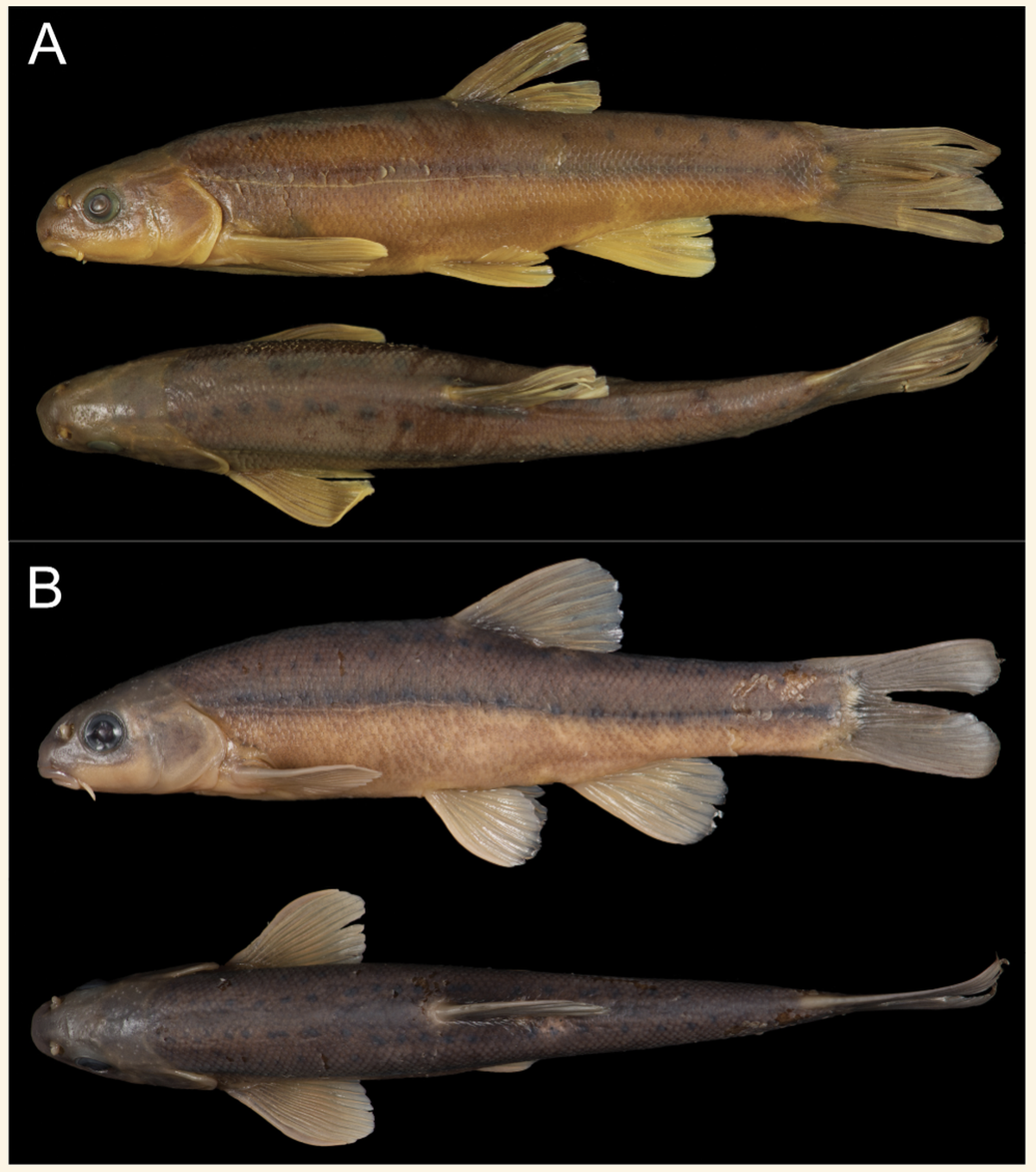
The study found the new species has at least 6% genetic divergence from related species — enough of a difference in its DNA to clearly set it apart. Beyond genetics, the species was identified based on its scale pattern, coloring, skeleton and other subtle physical features.
What looked like a resurrection was actually an introduction. The world didn’t get its extinct fish back, but it gained a species that had been swimming unrecognized in the Umzimkhulu River.
A Small Fish With a Distinctive Look
So what does this newly identified creature look like?
Umzimkhulu redfin minnows can grow to more than 3 inches long, according to the study. They have “large” heads with “blunt” snouts, “large” eyes and “sickle-shaped” mouths.
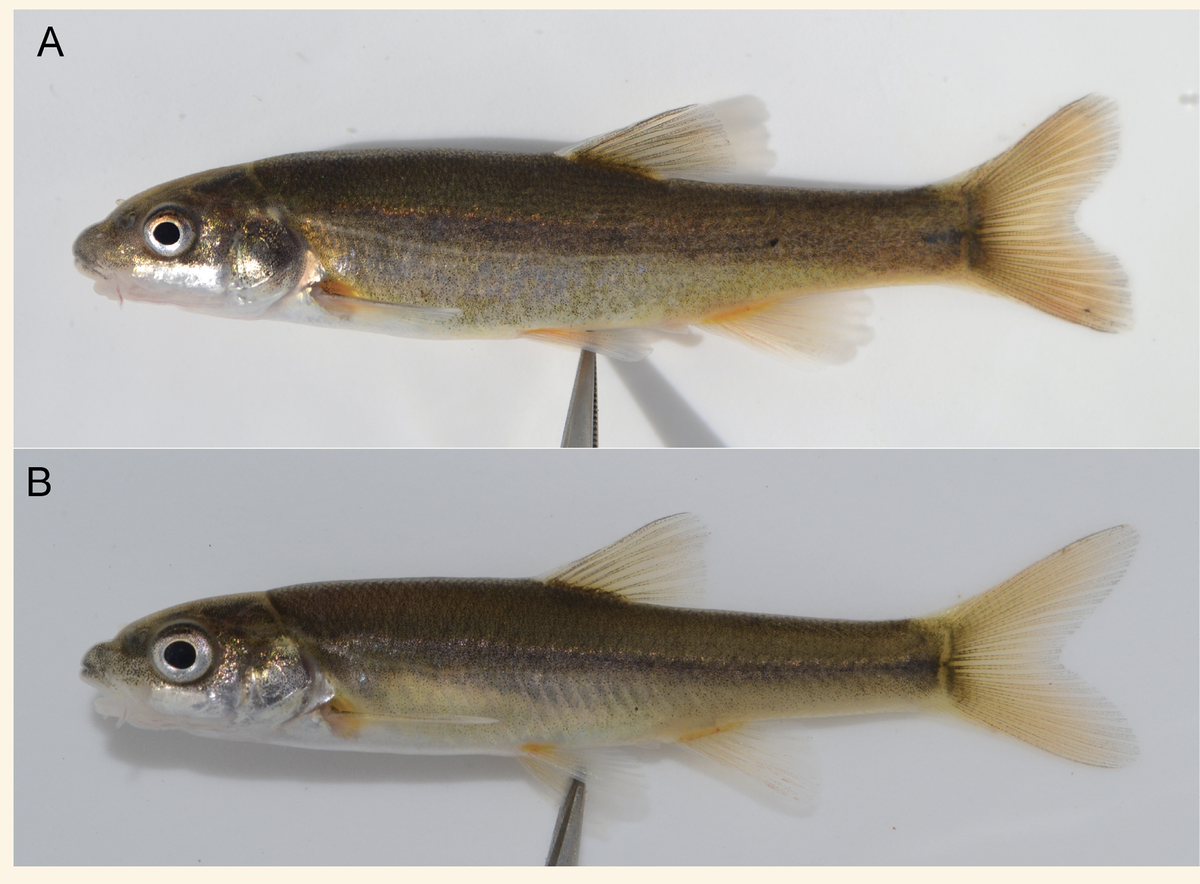
Their “moderately elongate” bodies are covered “with numerous” small bumps. The coloring: an “olive-brown” base with “bright orange-red” spots near their fins — a splash of unexpected beauty hiding in the shallow, rocky streams of the Umzimkhulu River.
The Name Honors the Person Who Found It
The species name kubhekai honors Skhumbuzo Kubheka, a wildlife researcher who helped discover the minnow “through extensive sampling efforts,” according to the study. The common name, Umzimkhulu redfin minnow, refers to the river where the species was first discovered.
So far, the Umzimkhulu River is the only known location where the fish has been found. The river is located in eastern South Africa, approximately 400 miles southeast of Johannesburg.
Already on the Brink
A fish that was only just introduced to the scientific world is already fighting for survival.
Researchers described the Umzimkhulu redfin minnow as “a critically endangered species,” according to the study. The situation is precarious enough that the team said they withheld the species’ exact location “due to conservation sensitivities,” according to the study. In a world where even well-meaning attention can sometimes threaten fragile ecosystems, the researchers opted to keep the minnow’s precise home under wraps.
They urged conservationists and government officials to take action to protect the species from extinction — a call that carries special urgency given that the fish currently exists in only one known location.
Researchers also noted that much of the species’ biology and lifestyle remains unknown. The Umzimkhulu redfin minnow has only just been named, and there is still a great deal left to learn about how it lives, what it eats, and how it reproduces in those shallow, rocky streams.
A Discovery That Rewrites the Script
The story’s arc is hard to resist. A team of scientists heads out looking for a ghost and stumbles upon a stranger. A years-long debate about identity gets settled by DNA. A fish earns a name honoring the person who helped pull it from the water.
And now, a tiny minnow with a large head, bright orange-red spots and a sickle-shaped mouth has officially joined the catalog of known life on Earth — a reminder that even in a world that feels thoroughly mapped and studied, nature still has surprises tucked away in its rivers.
Production of this article included the use of AI. It was reviewed and edited by a team of content specialists.