Meet the Adorable Wide-Eyed, Triangular-Headed Gecko Found in Thailand
During wildlife surveys in 2022 and 2023 in eastern Thailand, a research team came across a small, nocturnal gecko with a triangular head and large, slightly protruding eyes.
After detailed morphological and genetic analysis, they confirmed it as a new species of gecko — formally described as Cyrtodactylus khlonghatensis, the Khlong Hat bent-toed gecko.
The findings were published in the peer-reviewed journal ZooKeys in 2024.
Where the Gecko Lives — and Why Its Name Matters
The species name khlonghatensis comes from Khlong Hat District in eastern Thailand, the only location where the gecko has been found.
In taxonomy, this geographic naming convention ties a species to a type locality, giving future researchers a clear reference point for where the organism was first documented.
Khlong Hat District sits approximately 150 miles east of Bangkok, near the Cambodia border. The area is recognized as a biodiversity hotspot — a designation that signals both exceptional biological richness and vulnerability to habitat loss.
The region’s proximity to Cambodia places it within a broader zone where new species descriptions, particularly among reptiles and amphibians, have been accumulating in recent years.
Karst Limestone Terrain and a Nocturnal Lifestyle
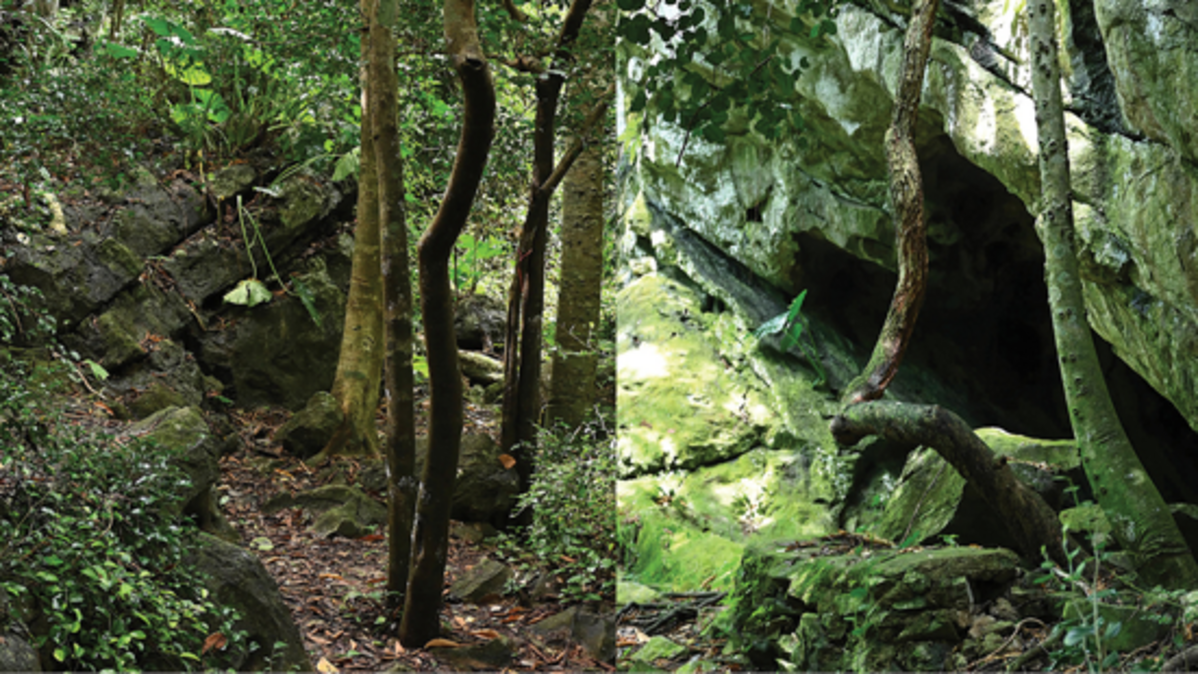
The geckos were found living around karst rock formations, including caves and rocky terrain.
Karst landscapes form through the dissolution of soluble bedrock, typically limestone, and their complex three-dimensional structure creates a mosaic of microhabitats: shaded overhangs, moist cave interiors, sun-warmed rock faces.
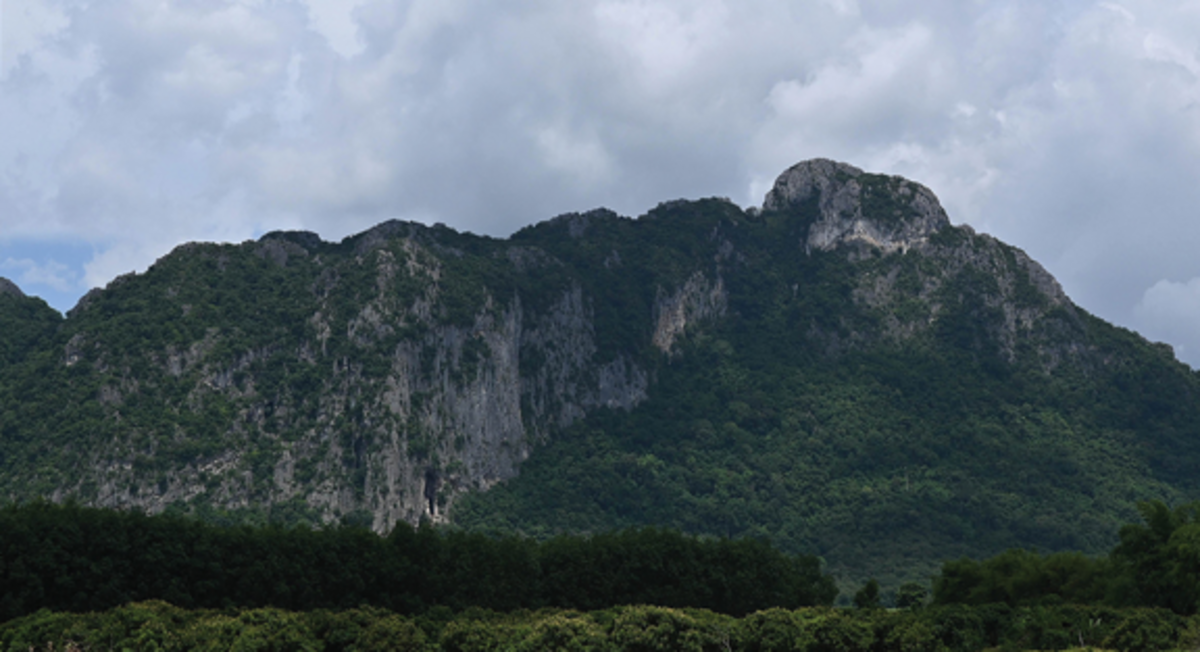
Ecologists recognize these environments as biodiversity hotspots because that structural complexity can support highly localized species found nowhere else.
For Cyrtodactylus khlonghatensis, the karst terrain appears central to its ecology.
Researchers observed the gecko active on rocks, vegetation, and karst terrain during the night. During the day, it remained inactive in shaded areas, consistent with a nocturnal lifestyle.
Observed locations included cave walls and crevices, dry vines and logs along trails. One juvenile was found clinging upside down on a shrub.
This range of microhabitat use — from cave surfaces to vegetation — suggests some ecological flexibility within its karst home, though its apparent restriction to a single district raises questions about how narrow its total range may be.
A Gecko at Just Over 7 Inches Long
The Khlong Hat bent-toed gecko measures just over 7 inches in total length.
Its physical features distinguish it within the Cyrtodactylus genus: a triangular head, large and slightly protruding brown eyes, and a slender body covered in bumps and short claws.
Its coloration is described as a light brown body marked with dark brown bands edged in white across the back, along with a distinctive U-shaped band around the head connecting the eyes.
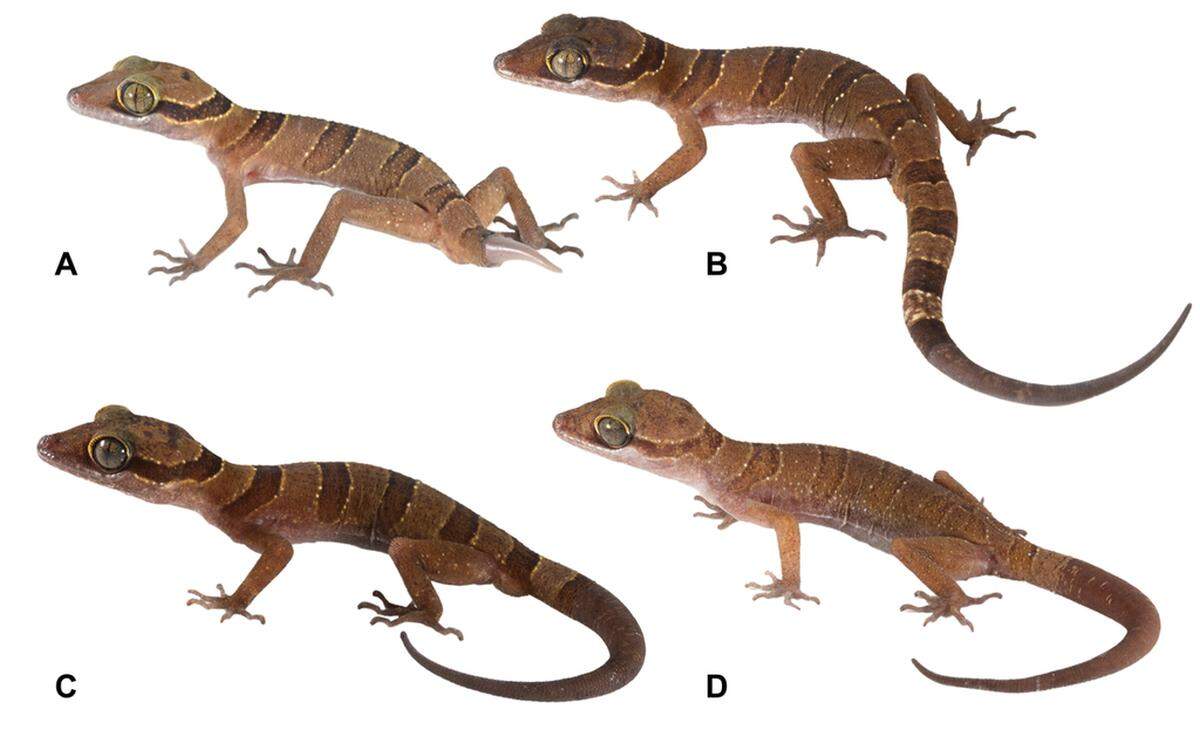
Researchers identified the species based on body size, scale patterns, coloration, finger and toe structure, and skin texture. Toe structure and scalation are among the key diagnostic features used to differentiate species in this highly diverse group.
The genus Cyrtodactylus is one of the most species-rich gecko genera in the world, making careful morphological comparison essential to any new species description.
DNA Analysis Sealed the Case
Beyond physical description, the confirmation of Cyrtodactylus khlonghatensis as a new species rested on molecular evidence. DNA analysis showed at least 5% genetic divergence from related gecko species.
That metric matters. Genetic divergence thresholds are commonly used in herpetology and broader taxonomy to evaluate whether a population represents a distinct species or merely a variant within an existing one.
In squamate reptiles — the group that includes lizards and geckos — genetic divergence values in mitochondrial DNA markers above roughly 3–5% between populations are often considered indicative of species-level differences.
The precise threshold can vary depending on the gene analyzed and the taxonomic group.
The at least 5% divergence reported for this species places it clearly within a range that supports recognition as a distinct lineage, rather than a geographic variant or subspecies of a previously known Cyrtodactylus taxon.
This combination of morphological differentiation and molecular divergence represents the integrative taxonomic approach that has become standard for new species descriptions, particularly in cryptic or morphologically similar species complexes like bent-toed geckos.
The discovery and formal description were the work of six researchers: Natee Ampai, Attapol Rujirawan, Siriporn Yodthong, Korkhwan Termprayoon, Bryan Stuart, and Anchalee Aowphol.
Their surveys in 2022 and 2023 provided the specimens and field observations that underpin the species description.
A Single-District Species in a Vulnerable Landscape
The description of Cyrtodactylus khlonghatensis reinforces the status of eastern Thailand’s karst landscapes as areas of herpetological diversity still yielding new taxa.
The fact that this species has been found in only a single district is a detail worth watching.
Species known from a single locality are inherently more vulnerable to habitat disturbance, and karst environments face particular pressures from quarrying and land-use change.
The original paper, with full morphological comparisons, genetic data, and habitat photographs, is available through ZooKeys, an open-access journal that makes its taxonomic publications freely accessible.
Production of this article included the use of AI. It was reviewed and edited by a team of content specialists.