Madagascar Expedition Finds 21 Species Lost to Science, Including a Giant Millipede Unseen for 126 Years
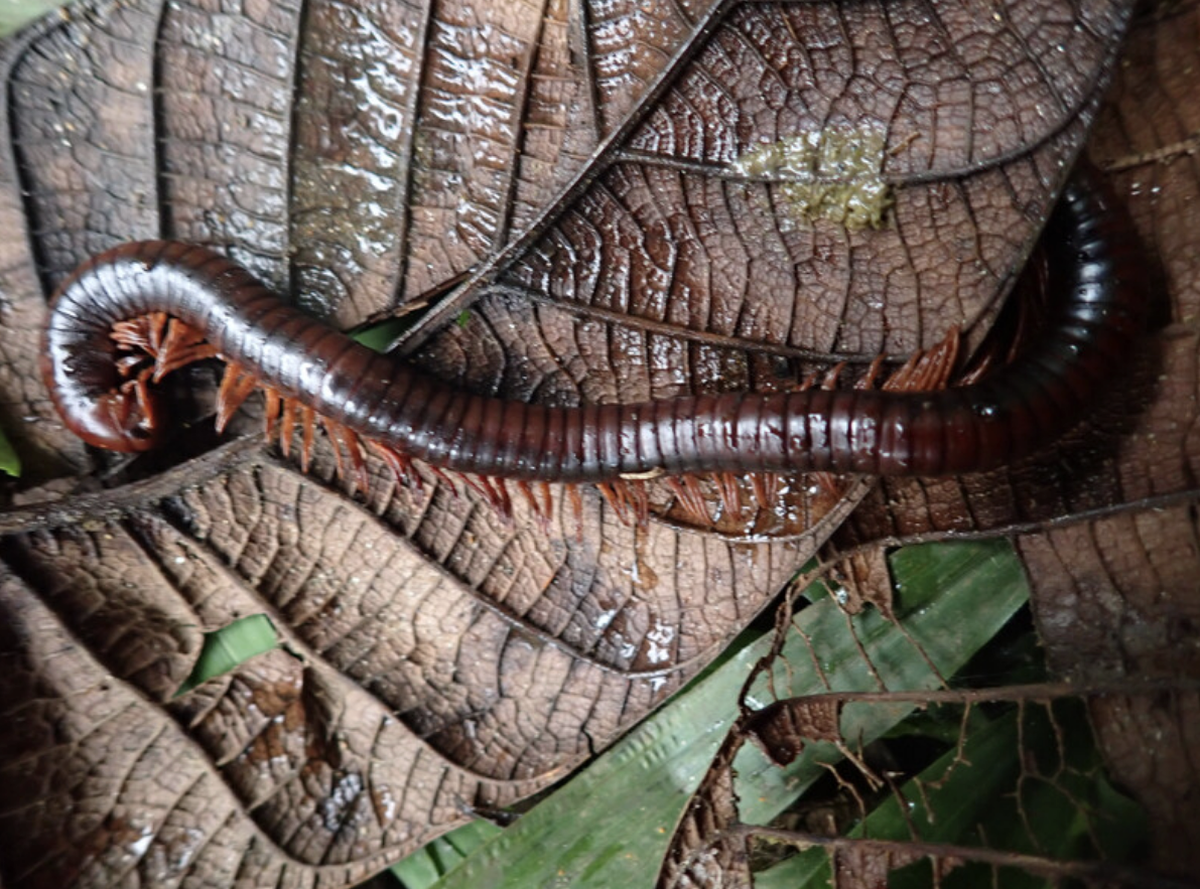
For 126 years, the giant millipede Spirostreptus sculptus existed in the scientific record as little more than a single preserved specimen, described in 1897. No researcher had documented it since. Then, deep in the canopy and leaf litter of Madagascar’s Makira rainforest, an expedition team encountered living individuals — including one female measuring 10.8 inches long.
That rediscovery was one of 21 species located during a five-day expedition conducted by a conservation group funded by Colossal Biosciences. The effort searched for species considered “lost to science,” targeting 30 species that had not been scientifically documented for at least a decade. The results were announced in a July 17 news release from Re:wild.
Re:wild defines “lost” species as those that are not extinct and may have been observed by local communities but have not been identified in a scientific study for an extended period. These creatures may have been quietly persisting in their habitats all along, simply beyond the reach of formal scientific documentation.
A New Model for Finding Lost Species
What sets this expedition apart is the approach itself. Historically, lost species searches have focused on one or two target organisms per expedition. This mission deliberately broke from that convention.
“In the past the Search for Lost Species has primarily looked for one or two species on each expedition, but there are now 4,300 species that we know of around the world that have not been documented in a decade or more,” Christina Biggs, a Re:wild officer, said. “Madagascar is a biodiversity hotspot and Makira is an underexplored area within the country, so we decided to pilot a new model for lost species searches there. We convened a group of scientists to search for as many species as possible, and it proved successful.”
With 4,300 lost species worldwide, a one-at-a-time approach cannot keep pace. Makira, as an underexplored area within a recognized biodiversity hotspot, proved an ideal testing ground. The 21-of-30 success rate suggests this pilot could reshape how future searches are conducted.
A Broad Taxonomic Sweep
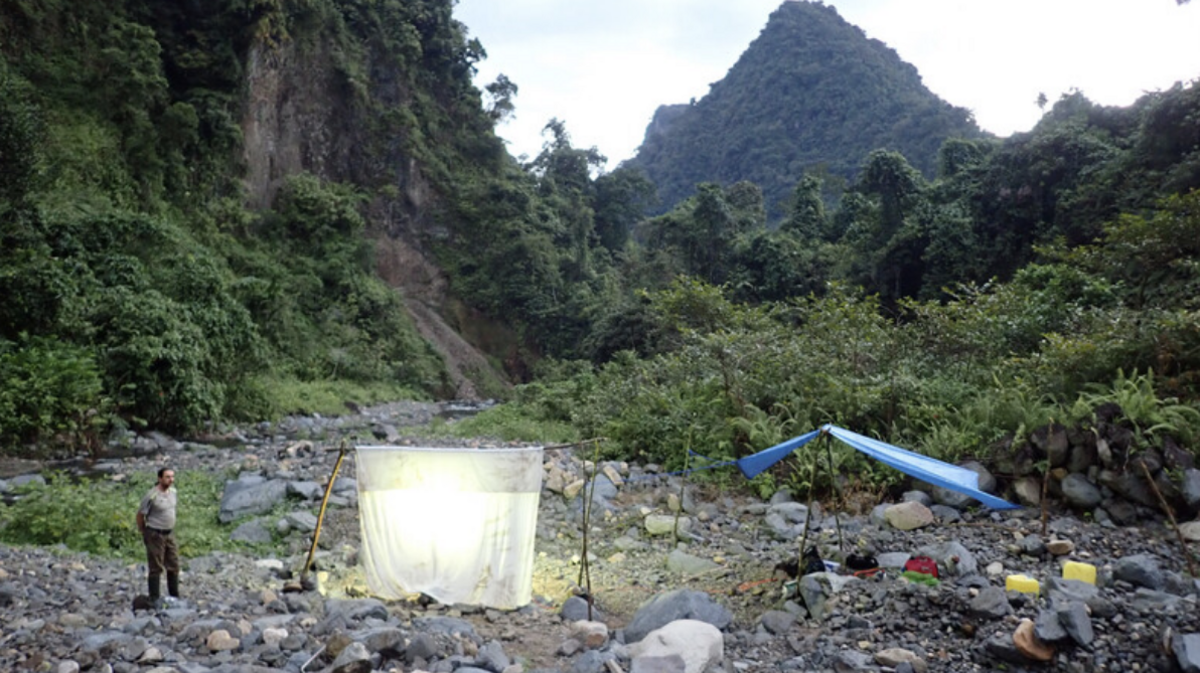
According to the release, the 30 targeted species included three mammals, three fish, seven reptiles, 12 insects and five spiders. The search team consisted of researchers, entomologists and trail guides who combed trees, ground and rivers across Makira — the largest rainforest in Madagascar, located in the island’s northeastern region.
That taxonomic range, from fish to spiders to mammals, required a diverse set of expertise and search methodologies. It also required something no amount of academic training can replicate: local knowledge.
Local Communities as Scientific Partners
One of the expedition’s most compelling elements was the role of local guides and fishers. All three targeted fish species were identified with their help. Guides walked to local communities and returned with a Makira rainbow fish and photos of another fish described in the release as having “iridescent scales and red highlights.”
Communities living alongside these species possess observational knowledge that complements what visiting scientists can achieve in a five-day window. Local fishers produced a live specimen and photographic evidence of species undocumented by science for a decade or more — a vivid illustration of the gap between scientific documentation and on-the-ground reality.
The Standout Rediscovery
Among the 21 rediscoveries, the giant millipede Spirostreptus sculptus stands out for both its scientific significance and the sheer length of its absence from the record. Known only from the type specimen described in 1897, it had not been documented for more than a century. Researchers said the millipede measured nearly 11 inches.
Entomologist Dmitry Telnov, who participated in the expedition, expressed particular astonishment at the find.
“I personally was most surprised and pleased by the fact that the giant millipede Spirostreptus sculptus, not uncommon in Makira Forest, appeared to be another lost species known only from the type specimen described in 1897,” Telnov said. “The longest specimen of this species we observed in Makia was a really gigantic female measuring (10.8 inches) long.”
Telnov’s observation that the species was “not uncommon in Makira Forest” is striking. It suggests Spirostreptus sculptus may have maintained healthy populations in the intervening 126 years. The scientific attention, not the organism itself, had vanished. The team also rediscovered multiple insect species beyond those on the original target list, though the release did not name them individually.
The Species That Were Not Found
For all the expedition’s successes, several targeted animals were not confirmed during the five-day search.
The Masoala fork-marked lemur, not documented since 2004, was not found. A large chameleon species missing since 2006 was also not located. And the dusky tetraka, a bird rediscovered on another expedition in December 2022, was not located in Makira, according to the release.
The absence of these species does not necessarily confirm population collapse — a five-day search window in dense rainforest cannot provide definitive conclusions. But the Masoala fork-marked lemur has now gone more than two decades without scientific documentation, and a chameleon species has been missing nearly as long.
A Forest Under Pressure
The expedition’s findings are set against a backdrop of concern about Makira’s future.
“Though Makira is the largest forest in Madagascar, it is still facing pressure from agriculture,” Re:wild said. “The expedition team worries that species in the underexplored forest could face steep population declines before scientists have an opportunity to study them.”
Species like Spirostreptus sculptus persisted for over a century without scientific notice, but continuing pressure from agriculture may not afford such patience going forward. With the multi-species expedition model now proven successful, the question becomes whether future searches can be mobilized quickly and frequently enough to catalog what lives in Makira before the window closes.
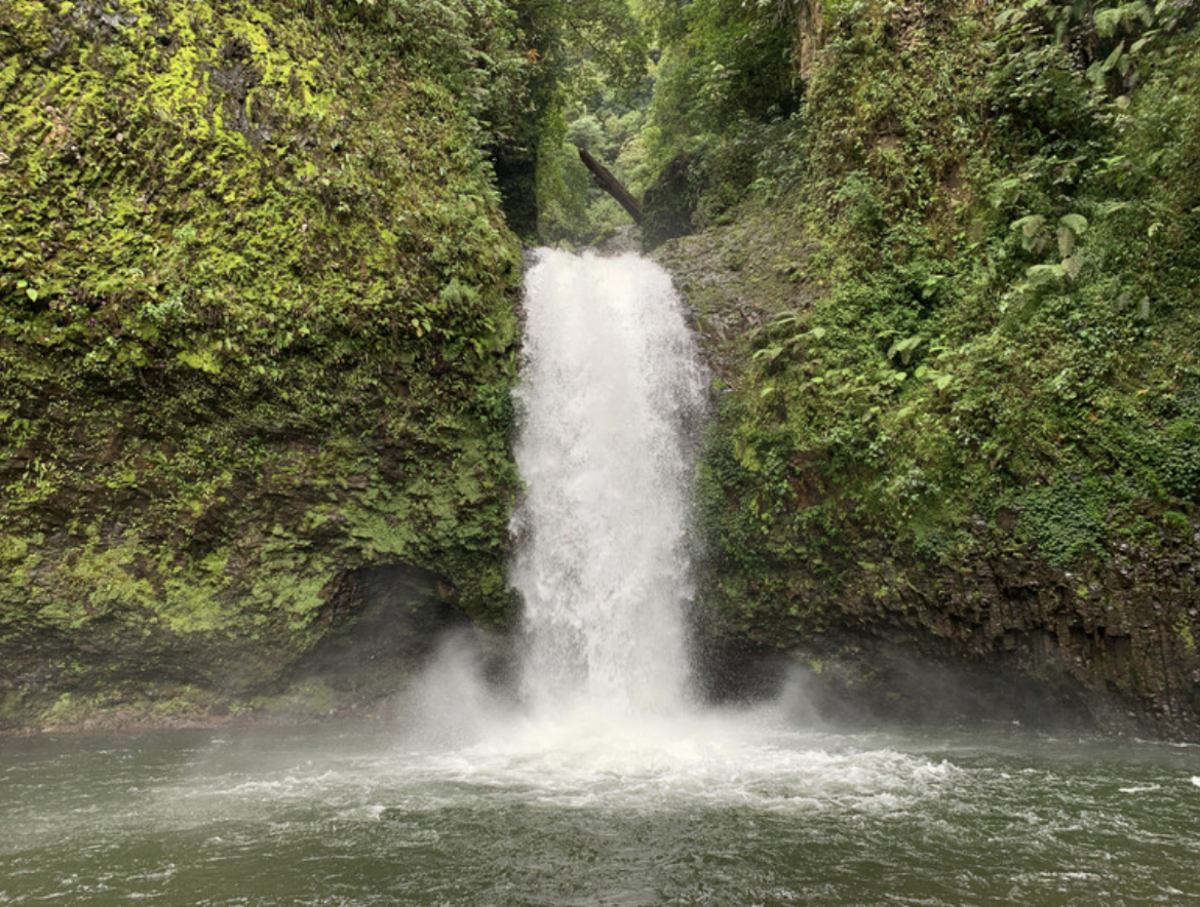
Makira forest is located in northeastern Madagascar, an island nation off the east coast of Mozambique.
Production of this article included the use of AI. It was reviewed and edited by a team of content specialists.