At Least 16 People Have Died In Avalanches This Season. Here’s What Backcountry Travelers Need to Know.
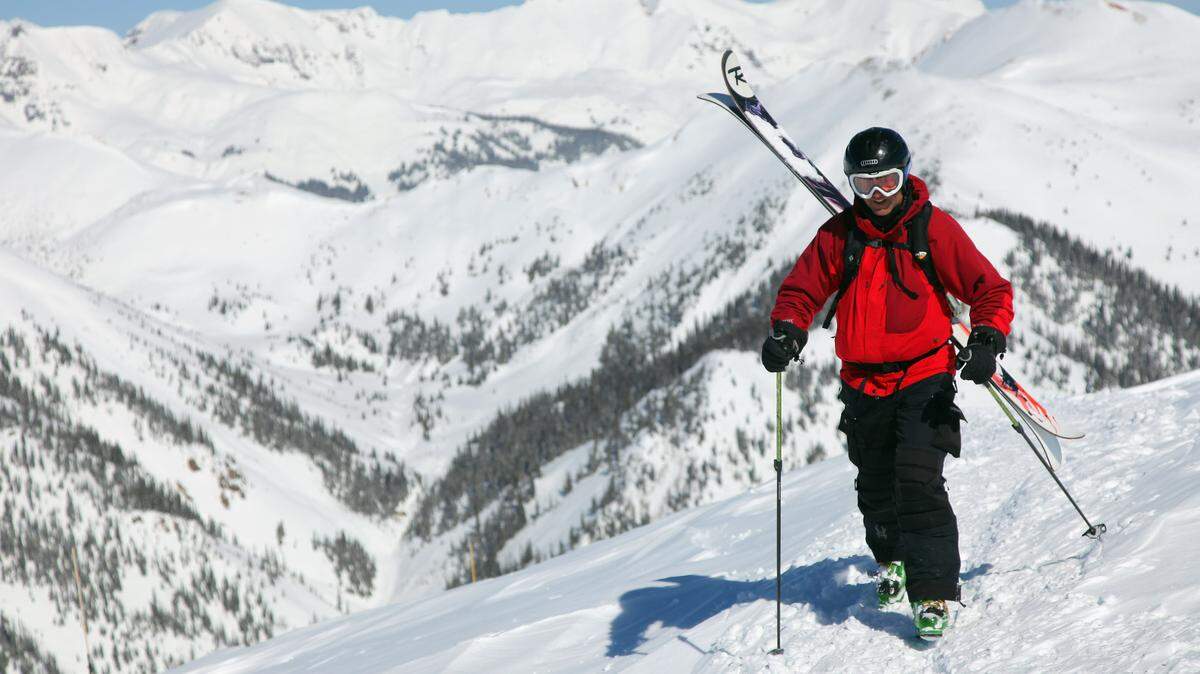
At least 16 people — on snowmobiles, skis and snowboards — have died in avalanches so far in the 2025-2026 season, according to the Colorado Avalanche Information Center. The Feb. 17, 2026 deadly avalanche in California, which took the lives of eight skiers and left one more unaccounted for, has sharpened the focus on just how lethal this season has become.
With months of winter still ahead in many mountain regions, this year is tracking toward the grimmer benchmarks in recent memory. The numbers represent real people who were doing what thousands do every weekend: heading into terrain they loved.
How This Season Compares to Past Years
Avalanches kill 25 to 30 people in the United States each winter, according to avalanche.org, a partnership between the American Avalanche Association and the U.S. Forest Service National Avalanche Center.
One of the most dangerous years came in 2021, when skiers, snowboarders and snowmobilers sought a reprieve from the stresses of the pandemic and headed into the backcountry of the Salt Lake and Uinta regions, per The New York Times. At least 26 people died in avalanches in the United States that year, compared with 23 deaths in the previous season, the Colorado Avalanche Information Center said.
The difficult situation in much of the Alps — where there have been more fatalities than usual this year — shows this is not isolated to one mountain range or one country.
Why Conditions May Be Getting More Dangerous
According to the NYT, while scientists are careful not to blame climate change for any single weather event without close study, research suggests that a warming climate is increasing the overall risk of avalanches at higher elevations, as storms dump large amounts of snow that can overload and tumble down a mountain slope.
“We do expect that in the highest elevations in the Sierra, for example, there to actually be more snowfall,” said Ned Bair, a researcher at the University of California, Santa Barbara, and the former research chairman of the American Avalanche Association, per The New York Times. “What really matters with the avalanches is the intensity of the atmospheric rivers.”
Heavier, faster-loading storm cycles can create unstable snowpack conditions that shift rapidly. The terrain you rode last week might behave completely differently after the next atmospheric river rolls through. That variability demands constant vigilance — not just a check at the start of the season.
Forecast, Training, Gear
Simon Trautman, an avalanche specialist at the Forest Service’s National Avalanche Center and Northwest Avalanche Center in Washington, distilled avalanche safety into three priorities when speaking to The National Geographic: “get the forecast. Get the training. Get the gear.”
Getting the forecast means checking it every single day you go out. Getting the training means investing in formal avalanche education. And getting the gear means carrying it, maintaining it, and knowing how to use it under stress.
A Practical Safety Checklist for Every Trip
The Alpine Institute lays out a safety framework that every backcountry traveler should internalize before heading out.
Get educated. Take an avalanche course, read, ask the experts. Snow pack evaluation is an ongoing process, and snow stability can vary significantly even within a limited area. Never trust a single source of information. If you haven’t taken at least a Level 1 avalanche course, this season’s fatality numbers should be motivation enough. The snowpack is complex and changes constantly — no amount of gut instinct replaces structured education in reading terrain, identifying weak layers, and making go/no-go decisions.
Check your local weather reports and avalanche prediction centers. Call your local ski area and talk with local experts and others who have recently traveled in the areas you are planning to visit. Your regional avalanche forecast center is your most important daily tool. The Colorado Avalanche Information Center tracks conditions and incidents nationwide. Talk to people who were on the ground yesterday — their observations about recent avalanche activity, wind loading, and surface conditions fill in details that a regional forecast can’t always capture.
Carry the proper equipment and know how to use it. Practice with your gear several times each year. Host a transceiver recovery party in your neighborhood. It’s also good to practice a recovery once a year without your transceiver. Owning a beacon, probe, and shovel isn’t enough. When was the last time you ran a timed companion rescue drill? When stress and adrenaline are maxed, muscle memory is what saves your partner.
Travel with trusted, avalanche-educated partners and discuss trip goals. Plan your route and alternate routes, and discuss challenges and hazards. Before you drop in, everyone should be aligned on the day’s objective, the danger rating, what terrain you’re willing to enter, and what terrain you’re going to avoid. Discuss your bailout plan. Agree on decision-making protocols. If someone in your group doesn’t have avalanche training or isn’t carrying rescue gear, that conversation needs to happen in the parking lot, not on the skin track.
Where to Find Avalanche Education and Forecasts
The American Avalanche Association offers education resources and connects travelers with forecast centers across the country.
The 2025-2026 season has already been one of the most dangerous years for avalanches. Trautman’s framework — forecast, training, gear — is worth repeating every time you pack the truck. The backcountry will always carry risk, but how much of that risk you manage is up to you.
Production of this article included the use of AI. It was reviewed and edited by a team of content specialists.