AI Decoded the Rules of an Ancient Roman Board Game No One Knew How to Play
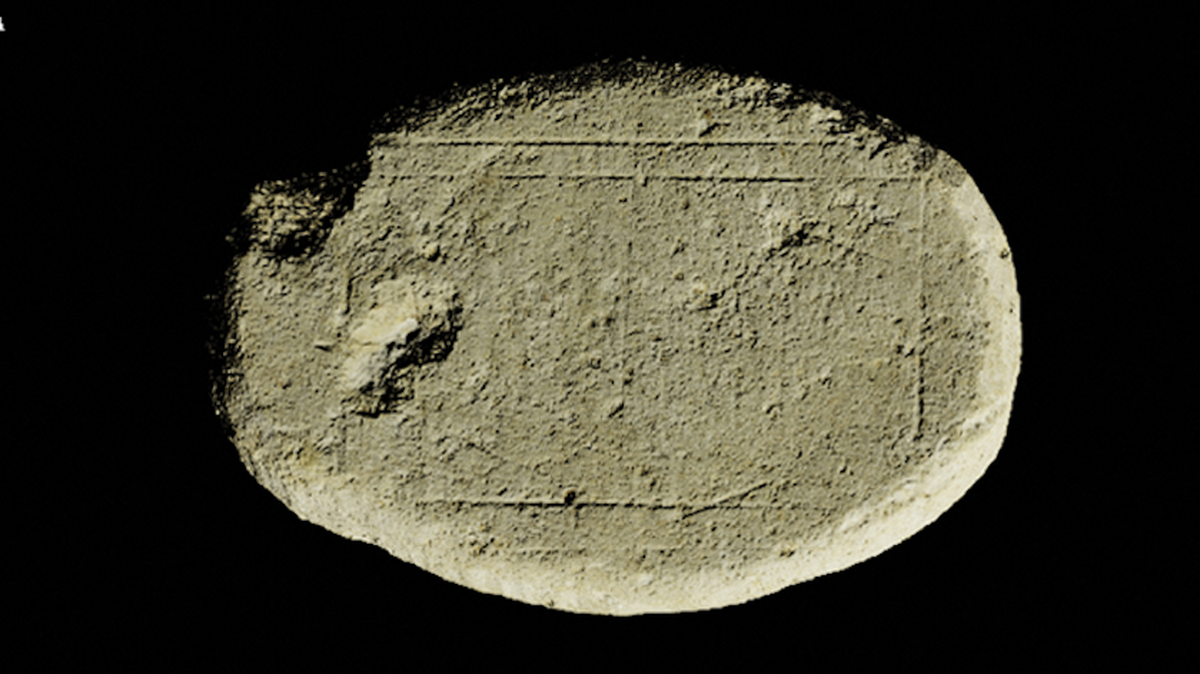
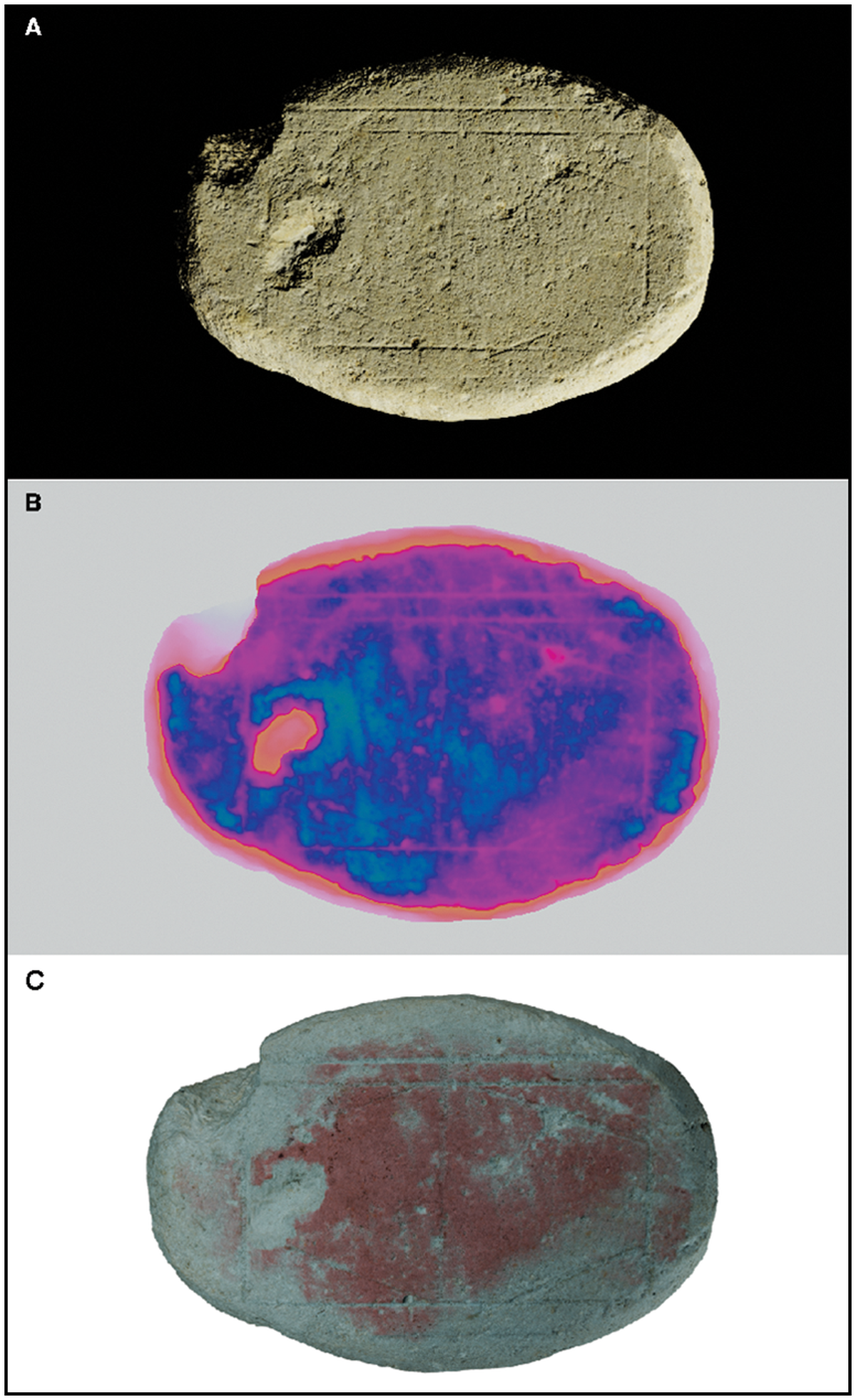
A 2,000-year-old inscribed limestone board sat for years as an archaeological puzzle with no instruction manual. Found in the Dutch city of Heerlen — built atop the ruins of the Roman town of Coriovallum — the board measuring about 20 centimeters across had no known archaeological context and no records linking it to any game from Roman times in the region. Researchers knew it was a game board. They just had no idea what the game was.
Now, a team led by Leiden University archaeologist Walter Crist has used artificial intelligence to figure it out, testing more than 100 possible rule sets through thousands of simulated games to find the one that best matched centuries of wear etched into the stone. The results were reported in the February issue of Antiquity.
How Simulation Met Archaeology
At the core of the project is Ludii, an AI-driven game system designed to model and simulate board games. The team used Ludii to run thousands of possible games between two virtual players, cycling through different configurations of pieces and moves.
These simulations weren’t random. The researchers tested each rule set against a specific benchmark: the physical wear patterns on the limestone board itself. After centuries of use, the board bore grooves and marks left by real human hands moving real pieces across its surface. That wear functioned as an analog data set, a record of actual gameplay etched into stone.
The AI’s task was to determine which set of rules, when played thousands of times by virtual players, would produce movement patterns consistent with those physical traces.
“We tried many different kinds of combinations: three versus two pieces, or four versus two, or two against two … we wanted to test out which ones replicated the wear on the board,” Crist says, per Science News.
The approach amounts to reverse engineering through simulation. Rather than starting with known rules and predicting outcomes, the system started with physical outcomes and worked backward to identify the most plausible rules.
The Game Itself
After running through those extensive simulations, the results suggest the game involved one player placing four pieces in the grooves against an opponent’s two. The winner was the player who avoided being blocked the longest — a blocking game, a category of strategy game where the objective centers on restricting your opponent’s movement.
The researchers named it Ludus Coriovalli, or the “Coriovallum Game,” and it can now be played online against a computer. An AI helped decode the game’s rules, and now a different AI opponent lets modern players experience it firsthand.
What Other Researchers Are Saying
Archaeologist Véronique Dasen of the University of Fribourg, who was not involved in the study, called the research “groundbreaking” and said the technique could help investigate other lost games. “The research results invite [archaeologists] to reconsider the identification of Roman period graffiti that could be actual boards for a similar game not present in texts,” she says, according to Science News.
Dasen also noted that there had previously been no evidence that Romans knew of this type of blocking game. “Games can go on for centuries, and sometimes they appear and then disappear,” she said.
If AI-driven simulation can decode the rules of one unidentified game board, it could potentially be applied to other mysterious inscriptions and markings that scholars have catalogued but never fully understood. The method gives researchers a new analytical lens for interpreting physical artifacts, one that combines computational power with the knowledge of human experts.
Why This Research Stands Out for AI Applications
For anyone tracking how AI is being applied outside its usual domains of business optimization and data analytics, this research offers a specific and instructive case study. The Ludii system was not built to interpret archaeological artifacts. It was built to model games. But by pairing it with domain expertise in archaeology and a creative research question, the team repurposed the technology to extract meaning from an object that had resisted interpretation.
The archaeologists brought the questions, the contextual knowledge, and the interpretive framework. The AI brought the ability to simulate thousands of scenarios in a fraction of the time manual testing would require. Neither could have produced the result alone.
Production of this article included the use of AI. It was reviewed and edited by a team of content specialists.