
Researchers Discover Bulging-Eyed Antarctic Dragonfish That Had Been Overlooked for Decades
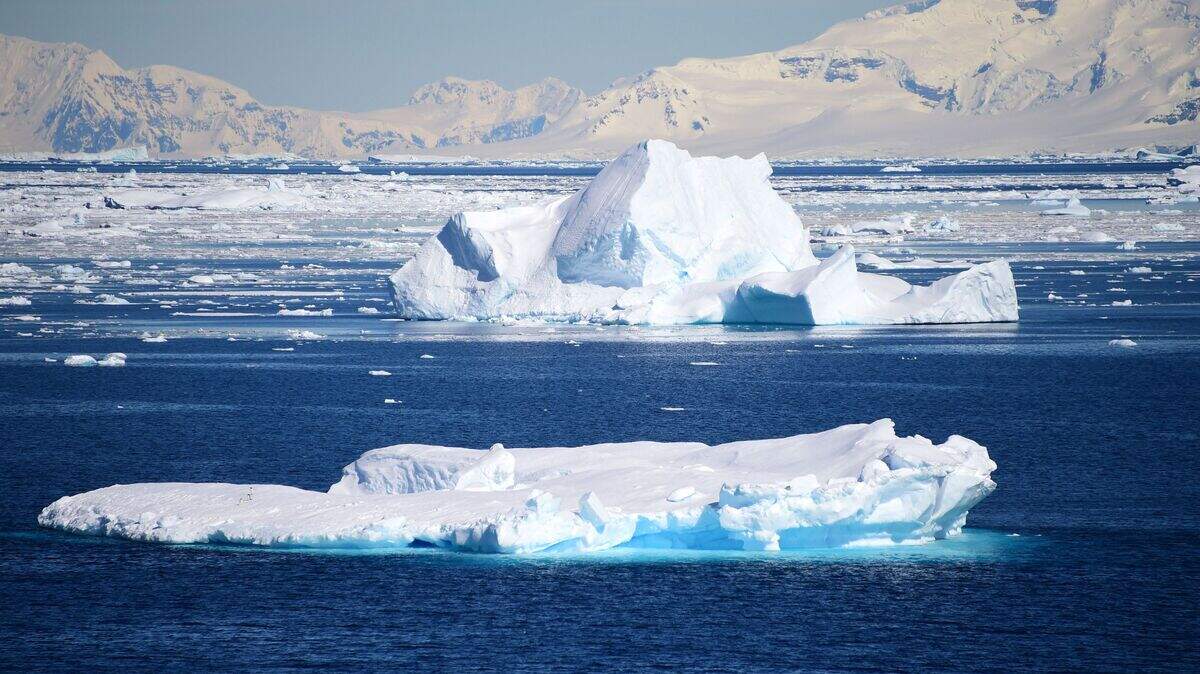
A new species of dragonfish with bulging eyes and pale brown bands was discovered off the western Antarctic Peninsula.
Rresearchers say it had been collected before but misidentified, sitting overlooked in scientific collections for years.
KEY FACTS:
- Scientists at the Virginia Institute of Marine Sciences (VIMS) and William & Mary’s Batten School of Coastal & Marine Sciences identified a new fish species now called the Banded Dragonfish, or Akarotaxis gouldae.
- The species diverged from its closest relative approximately 780,000 years ago, possibly after a population became isolated under glaciers in deep ocean trenches.
- The fish may have one of the smallest geographic ranges of any Southern Ocean fish, with low reproductive capacity, raising concerns about its vulnerability.
- Adults of the species had been previously collected by other scientists and misidentified, sitting unrecognized in existing collections.
- The findings were published in the journal Zootaxa.
How the New Species Was Found
The researchers weren’t looking for fish. They were in the Antarctic hoping to catch zooplankton when they dropped a trawl into the water.
What came back was a larval fish that resembled a known species called Akarotaxis nudiceps.
Lead author Andrew Corso concluded the DNA wasn’t a match. The specimen was something else entirely.
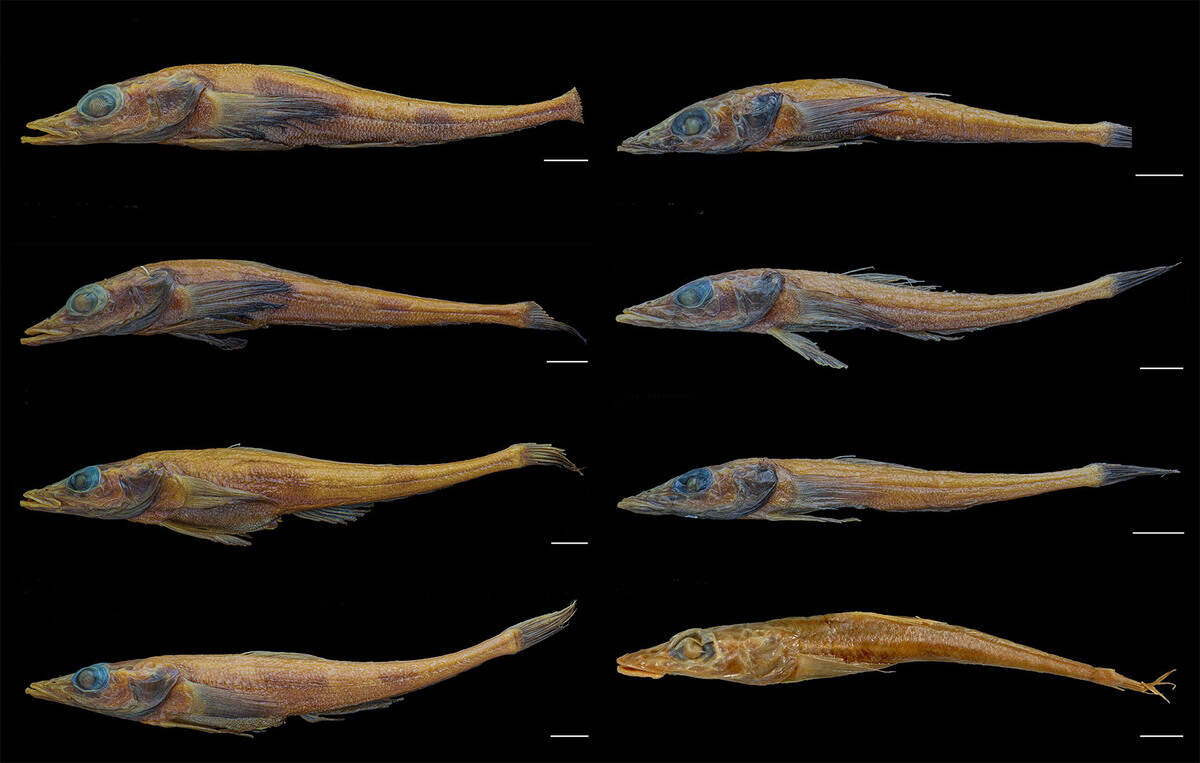
“There are two distinct bands on the sides of adult Akarotaxis gouldae that are not present on Akarotaxis nudiceps, so we were surprised that the species already existed in collections but had been previously overlooked,” Corso said in a news release published by the VIMS in August 2024.
What the Dragonfish Looks Like
The Banded Dragonfish is described as “slender” with a “wide snout” and “elongate mouth,” according to the study. It has “enlarged, ovoid eyes” that bulge from its head.
Its coloring is pale brown with slightly darker bands — the markings that distinguish it from its closest relative and give it its common name.
Those physical differences, combined with genetic analysis, confirmed the fish as a distinct species.
Corso emphasized that genetic testing shouldn’t be the only tool used to discover new species. The Banded Dragonfish’s distinctive bands were visible to the naked eye, yet it had been repeatedly misidentified.
“In the world of fish taxonomy, it’s becoming common to distinguish species with genetics alone. Genetic testing is an extremely valuable tool, but our discovery highlights the importance of early life stage morphology and natural history collections like those at VIMS and other institutions,” Corso added.
The fact that this species had already been collected but never properly identified underscores the value of revisiting museum and research collections, where unknown species may still be waiting to be recognized.
An Ancient Discovery Split Under the Ice
The Banded Dragonfish diverged as a separate species approximately 780,000 years ago, when most of the Southern Ocean was covered in glaciers.
“We hypothesize that a population of dragonfishes may have become isolated within deep trenches under glaciers, surviving on food pushed in by the moving ice. Once the glaciers retreated, this subpopulation had become distinct enough to be reproductively incompatible with Akarotaxis nudiceps,” Corso said, per VIMS.
The species appears confined to the western Antarctic Peninsula. Examination of ovaries suggests low reproductive capacity, meaning the species may not bounce back quickly from population declines.
Dragonfish generally live in deep water as adults, guard nests in shallower coastal areas and have larvae that stay near the surface. That life cycle puts the youngest and most vulnerable stages in harm’s way.
The region is heavily targeted by the Antarctic krill fishery, and commercial vessels trawl in depths of 0–250 meters, where larvae may be present.
Researchers say more caution is needed until the ecosystem is better understood.
Where Did the Dragonfish Get Its Name?
The species was named in honor of the recently decommissioned Antarctic research and supply vessel (ARSV) Laurence M. Gould and its crew.
The ship supported U.S. Antarctic research for 27 years, from 1997 until August 2024 when it was decommissioned, spending nearly 6,300 days at sea, much of it in the Drake Passage.
BOTTOM LINE: A species that went unnoticed in scientific collections for years may already face survival threats from krill fishing in its limited Antarctic habitat — and researchers say more caution is needed before the ecosystem is better understood.
Production of this article included the use of AI. It was reviewed and edited by a team of content specialists.