
A Hiker’s Deadly Encounter With a 4-Foot Snake Led to a Rare and Unprecedented Discovery
Production of this article included the use of AI. It was reviewed and edited by a team of content specialists.
In the remote lowlands of Bolivia, a routine trail-clearing task led to an extraordinary scientific discovery—one that would expand our understanding of where certain elusive reptiles call home.
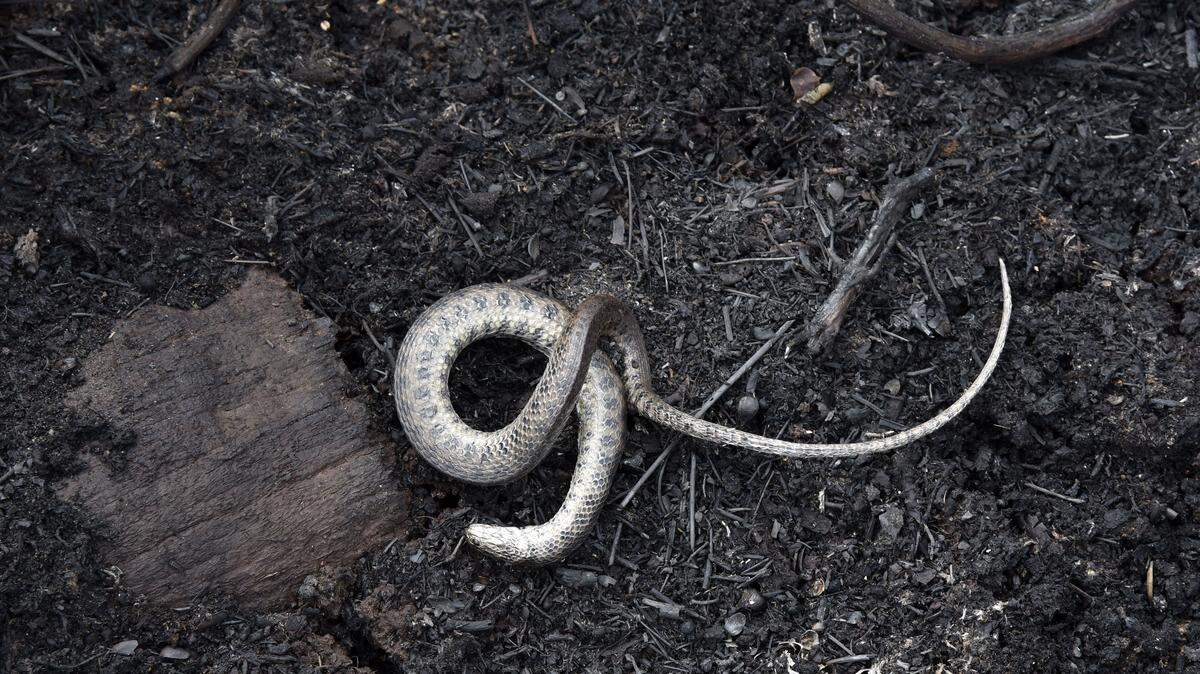
A team of scientists exploring the dense forests of La Paz, Bolivia, made an unexpected find when a wildlife guide accidentally killed a four-foot-long vine snake while clearing work trails near their camp.
What initially appeared to be an unfortunate accident turned into a significant moment for wildlife research: the snake was identified as Bolivia’s first recorded sighting of an Oxybelis inkaterra, commonly known as an Inkaterra vine snake.
The findings were published in the peer-reviewed journal Herpetozoa on July 10, 2024, documenting this first-of-its-kind observation and expanding what scientists know about the geographic range of this cryptic species.
A Deadly Case of Camouflage Findings
The circumstances of the discovery highlight just how effectively these snakes blend into their surroundings. According to the study, the snake’s natural defense mechanism ultimately led to its demise.
“This particular individual, feeling threatened, remained motionless, mimicking one of the branches of the shrub it was on,” the study read.
The snake’s camouflage was so effective that the guide never saw it among the vegetation. “Unfortunately, this behavior caused it to go unnoticed by the guide, resulting in the unfortunate accident,” the study added.
This tragic encounter underscores a fundamental challenge that researchers face when studying vine snakes.
These reptiles are generally “quite cryptic, due to their coloration, elongated head, and attenuated slender bodies and long tail,” researchers explained. Their appearance makes them “very difficult to observe and capture” in their natural habitat.
What Is a Vine Snake?
Vine snakes have evolved remarkable physical characteristics that allow them to virtually disappear among tree branches and shrubs. Their elongated bodies and pointed heads give them an appearance strikingly similar to the vegetation they inhabit.
This particular Inkaterra vine snake measured approximately four feet in length and displayed coloring described as a mixture of grays, creams, and light browns—a palette perfectly suited to blending in with forest branches.
These snakes are predators that feed on “a diversity of small vertebrates, including lizards, birds, amphibians and mammals,” according to the researchers.
Their camouflage serves a dual purpose: protecting them from larger predators while allowing them to ambush their own prey undetected.
The research team had originally ventured into the lowlands of Bolivia specifically searching for vine snakes (Oxybelis) and sharpnose snakes (Xenoxybelis). These species are notoriously difficult to study due to their remote habitats and exceptional ability to avoid detection.
Expanding the Known Range of Inkaterra Vine Snakes
This discovery significantly extends the known geographic range of the Inkaterra vine snake.
According to the study, the snake’s documented range now extends approximately 207 kilometers and 628 kilometers southeast of its type locality in Puerto Maldonado, Peru.
Prior to this finding, Inkaterra vine snakes had been documented in Peru and Ecuador. The Bolivia sighting adds a third country to the species’ known range, suggesting these snakes may be more widely distributed than previously understood.
The discovery also adds to Bolivia’s known vine snake diversity.
The Inkaterra vine snake now joins both Oxybelis aeneus and Oxybelis fulgidus as the three known vine snake species to exist in Bolivia. This expanded understanding of local biodiversity helps scientists better comprehend the ecological makeup of the region’s forests.
Researchers Find Additional Sightings in Museum Archives
The research team’s work extended beyond their field observations. When examining museum archives, researchers discovered two additional Inkaterra vine snake specimens.
One had been caught in Bolivia in 2005, predating the current discovery by nearly two decades. The other specimen lacked date or location information, leaving questions about its origins.
These archival findings suggest that the species may have been present in Bolivia longer than previously recognized, with specimens sitting in collections awaiting proper identification.
Such discoveries highlight the ongoing importance of museum collections in understanding wildlife distribution and the value of revisiting existing specimens with updated scientific knowledge.
The Research Team and Broader Implications
The research team that documented this discovery included Luis Rivas, Gustavo Rey-Ortíz, Cord Eversole, Randy Powell, Gonzalo Navarro-Cornejo, Edson Cortez, Mauricio Ocampo, Gabriel Callapa, and Arturo Muñoz.
During their expedition, the team also documented several other poorly known snake species, contributing valuable data about the biodiversity of Bolivia’s lowland forests.
La Paz, the region where researchers found the Inkaterra vine snake, is located in northwestern Bolivia near the border with Peru.
This geographic proximity to Peru, where the species was already known to exist, makes the Bolivian discovery somewhat logical from a biogeographic perspective, yet it had never been formally documented until now.
Why This Particular Disovery Matters
For the general public, discoveries like this serve as reminders of how much remains unknown about the natural world, even in the twenty-first century. Species that have likely existed in certain regions for thousands of years can go undetected simply because they are so skilled at avoiding observation.
The unfortunate death of this particular snake, while regrettable, provided scientists with the opportunity to examine and document the specimen, confirming its identity and establishing the first official record for Bolivia.
Such is often the nature of wildlife research—unexpected circumstances can lead to significant scientific contributions.
This discovery also emphasizes the importance of continued biodiversity surveys in remote regions. Many species remain undocumented in various parts of their range simply because researchers have not yet had the opportunity to survey those areas thoroughly.
Each expedition into these remote forests has the potential to reveal new information about which species live where.
As researchers continue their work in the lowlands of Bolivia and similar habitats throughout South America, additional discoveries may further expand our understanding of vine snake distribution and the rich biodiversity these forests support.