
Live in south-central Kansas? Armyworms may be feasting on your lawn
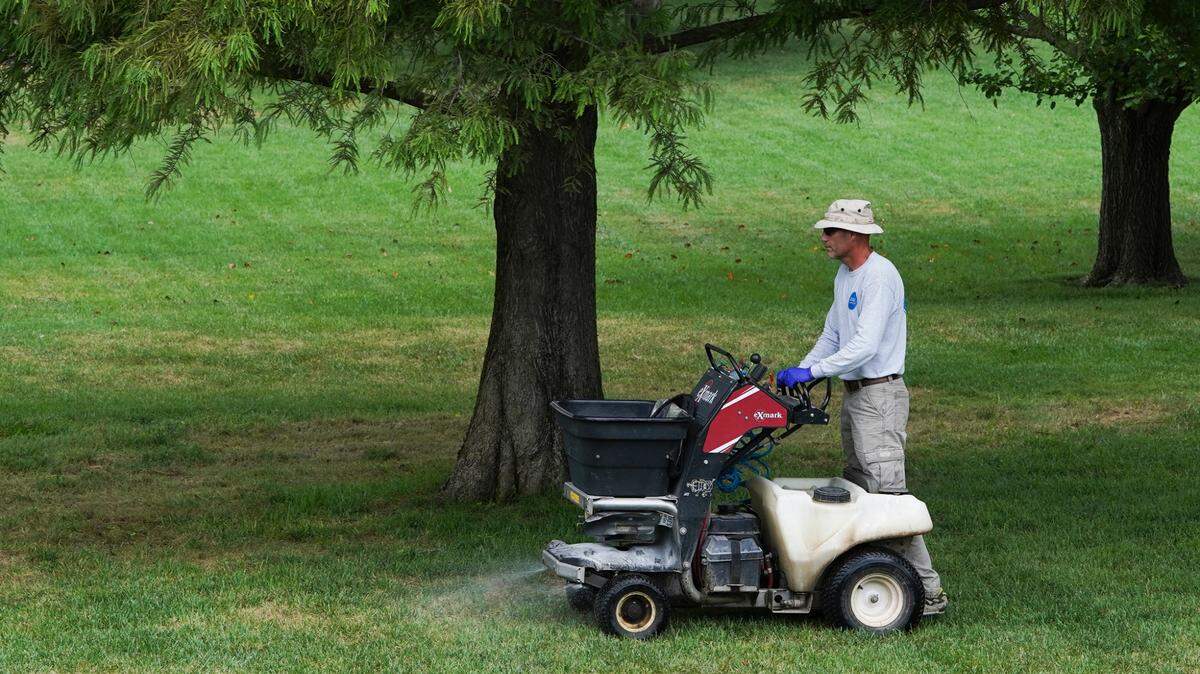
If you live in south-central Kansas — especially the Wichita area — your lawn may be under attack by armyworms.
How bad the damage will be, if there’s any at all, is still something Duke Meyers, owner of Duke’s Lawn Care, still doesn’t know how to pinpoint. He’s been taking care of lawns in the Wichita area since 1997 and hasn’t seen the armyworms this bad since 2000.
If your lawn is inexplicably starting to die, possibly in patches, it could be the larvae feeding on your grass. Still not convinced, then pour warm, soapy water on the affected areas, wait a couple of minutes and watch them come to the surface.
”It’s unmistakable, you’ll know,” he said.
The remedy is liquid insecticide, which he said works “exponentially better than granular.” Spray the affected areas and around them in the evening or spray the whole lawn if you want to be thorough.
Wait 24 hours before starting any lawn watering, if you water your lawn. The quicker you water the affected spots, the sooner green grass will return, he said.
Most people in the Wichita area have fescue grass, which likes cooler weather. The armyworms eating the grass aren’t the actual problem. It’s that the thinning out of the fescue makes it more susceptible to the scorching heat.
Meyers said the armyworm outbreaks only seem to last a few weeks, but can wreak havoc on a lawn. He first noticed them in the area when a friend sent him a picture on Aug. 8. Since then, he can’t go to a customer’s home without being flagged down by a neighbor concerned for their lawn.
Kansas State University lists three species of the worm: armyworm, army cutworm and fall armyworm. Meyers said he has been seeing the fall armyworms.
The fall armyworms live in Gulf Coast states — they can’t survive in the cold — and then the moths move across the country from there.
Each moth can lay as many as 1,000 eggs, according to NC State Extension.
“Dry weather in late summer may cause this insect to move from field crops and pastures to landscaped areas,” the article said. “After feeding for 2 to 3 weeks, these armyworms dig about an inch into the ground to pupate. Within 2 weeks, a new swarm of moths emerges and usually flies several miles before laying eggs.”
This story was originally published August 14, 2021 at 6:59 PM with the headline "Live in south-central Kansas? Armyworms may be feasting on your lawn."