Census Bureau misses key deadline for first time. That could matter for years to come
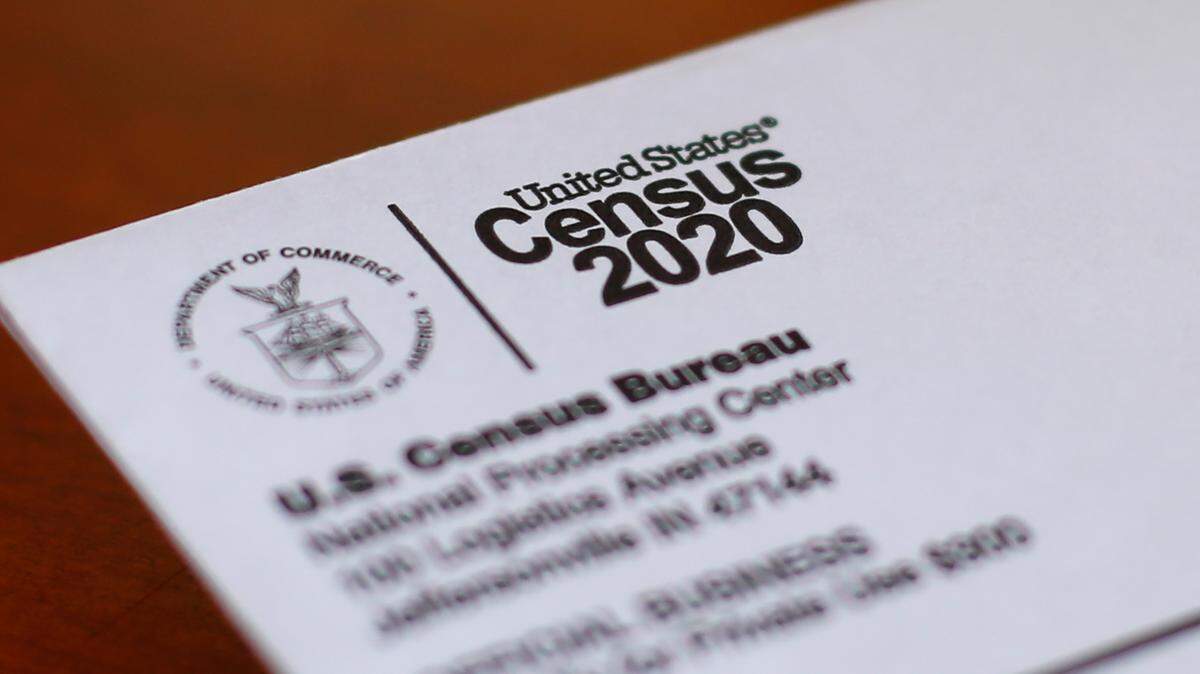
The U.S. Census Bureau will miss the deadline for handing in data for the first time, and a continued delay could affect how congressional seats are allocated to states for the next decade.
Congress set the Dec. 31 deadline for reporting population counts to the president in 1976. That data, which are collected every 10 years, are then used to determine how many seats each state gets in the U.S. House of Representatives based on population as of April 1 and how federal funds and other resources are distributed to communities for the next decade.
But the coronavirus pandemic and legal challenges have created numerous hurdles for collecting and submitting the count on time this year.
The Census Bureau said Wednesday it’s still processing the data and hopes to have it ready by early 2021 and as close to the deadline as possible.
“As issues that could affect the accuracy of the data are detected, they are corrected,” the bureau said in a statement. “This important process, which has been a part of every decennial census, is critical to produce data that can be used for apportioning seats in the House of Representatives among the states.”
Will the delay matter?
There are no penalties for submitting the data late.
But the delay could undermine President Donald Trump’s plans to exclude undocumented immigrants from the count, The Associated Press reports. If data aren’t submitted before President-elect Joe Biden takes office on Jan. 20, Biden could rescind Trump’s orders to exclude them from the count used for apportionment.
Excluding undocumented immigrants would benefit Republicans, as it would diminish the population count in Democratic areas, which tend to have higher immigrant populations, Politico reports.
It would also break precedent, as the Census count includes citizens and non-citizens. The Constitution does not specify that citizenship be a factor in population counts.
Biden has called Trump’s plan an example of “scrambling norms, and ignoring the Constitution.”
NPR reported Wednesday that a Census Bureau employee anonymously said the agency is working toward a Jan. 9 target for submitting the data, as otherwise “it’s hard to envision that we would get apportionment done before inauguration.”
Internal documents obtained earlier this month by the House Committee on Oversight and Reform, however, show Census Bureau officials don’t expect the numbers to be ready until after Jan. 20, CNN reports.
That means Biden, not Trump, would oversee apportionment.
The pandemic and legal challenges
The Census Bureau’s count ceased earlier than expected this year after a legal battle shifted its data-collection deadline several times.
The count was originally set to run through Oct. 31, a 120-day extension, as the coronavirus pandemic slowed the process and made it difficult for Census workers to collect data.
But it was was cut off on Oct. 15 after the U.S. Supreme Court ruled in favor of the Trump administration, which asked the high court to overturn a lower court’s ruling that the count run through the end of October.
About 99.9% of “housing units” were counted by the time of the Supreme Court ruling, but many people were concerned the ruling would still yield an inaccurate population count, which could harm many communities.
Several lawsuits have also challenged Trump’s order that undocumented immigrants be left out of the count, The AP reports. The plan was allowed to move forward, though, as the Supreme Court earlier this month ruled the challenges were premature.
The Census Bureau has not said how it would determine whether a person is a citizen, as the high court last year blocked a citizenship question from being added to the Census questionnaire, the AP reports.
What happens next?
After the Census Bureau finishes processing the data, it will be sent to the president to be used for apportionment. Congress later certifies the numbers, NPR reports.
States may lose or gain congressional seats and subsequently Electoral College votes based on the count.
The Census Bureau later in the year, usually around April 1, delivers “local counts” to the states, which then use that data for redistricting.
But the delay could trickle down and put the bureau behind on other steps, CNN reports. It has not said when it expects to have other data ready.
This story was originally published December 31, 2020 at 1:55 PM with the headline "Census Bureau misses key deadline for first time. That could matter for years to come."