Scam listed KC home for sale & charged $200 for tours. What to know about fake listings
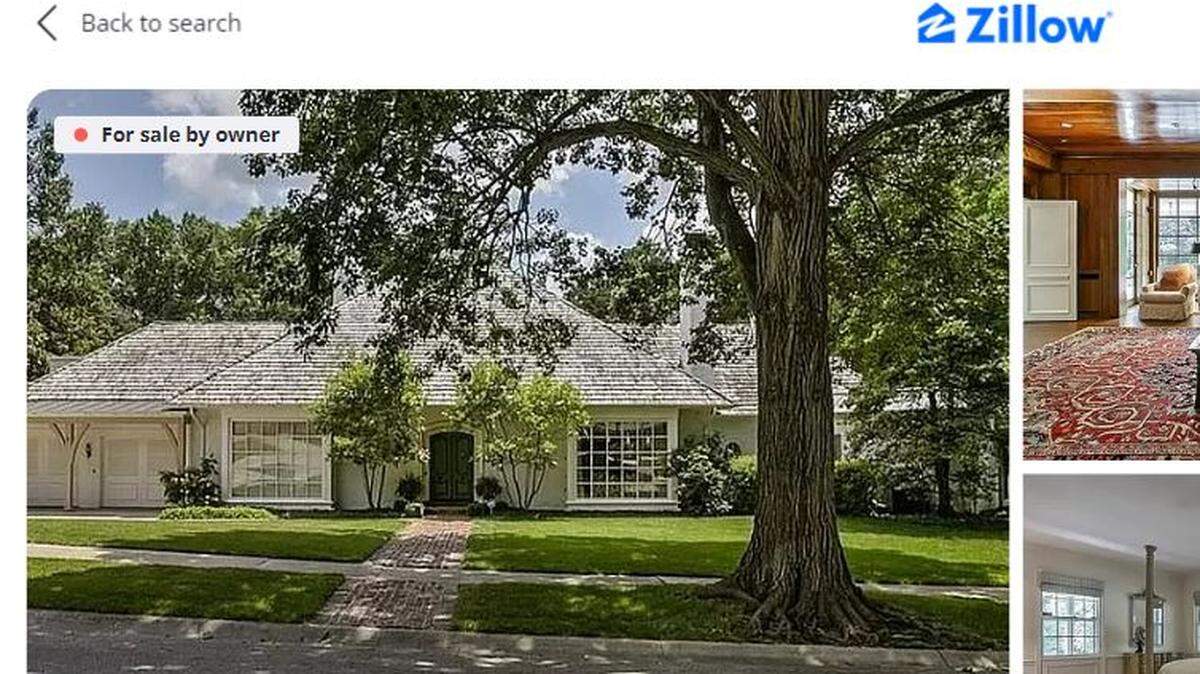
A $1.6 million house that appeared on Zillow in Kansas City recently for $10,200 turned out to be a scam listing, tricking prospective buyers into sending money through an online banking app to gain access to tour a home that wasn’t on sale.
The listing said it was open to “FIRST TIME BUYERS ONLY!” It requested that anyone interested call “Mandi” at a number with a Las Vegas area code.
The Star called the number and received a response, saying that interested buyers should send $200 through an online banking app “to the owner’s mom. … Then we can move forward.”
There would then be a home walk-through. It claimed that the $200 would be refunded to those not interested.
“Selling my home because my family and I own many houses across the U.S.,” the listing said. “Once a year we sell one or a few of our homes to first time buyers for under $25,000. This is done to bless a family or individual that needs it, but also as a tax write off for us.”
It’s unknown how many people called the number and fell for the scam, but scams involving real estate listings are common. Here’s how you can spot and avoid housing scams.
How can I tell if a real estate listing is fake?
One thing homebuyers should look at in a real estate listing is the photos of the home. Majid Ghavami, a Kansas City agent with real estate firm ReeceNichols, said he’s seen scams where someone uses photos of another home from real estate sites like Zillow or MLS to falsely advertise a rental property. You can run these photos through a reverse image search to find the source.
If the listing asks for money to tour a home or to acquire a rental application, it’s most likely a scam. Scammers will ask for these and disappear once they get paid.
“You should never have to pay money just to see a house,” Ghavami said.
Scams often target first-time home buyers or inexperienced renters by capitalizing on their eagerness to find housing options within their budget, Ghavami said. He advised working with a realtor who can vet properties for you.
Zillow lists a few other tips to look out for in real estate listings:
Requests for verification codes: If you are asked to provide a code sent to your cellphone via text or call, this is a scam.
Requests for personal or financial information: Don’t give your bank account or Social Security number to unknown sources. Verify that it’s a trusted source, and then only provide this information sparingly.
Long-distance landlords: Many scams come from overseas users who say they’re interested in buying or renting out a home. Be wary of people who contact you from abroad who claim they are missionaries, U.N. workers or in the military.
Typos and sob stories: Emails containing many spelling and grammatical errors are usually a sign of fraud. British spelling such as “favour” instead of “favor” can also be a sign of a rental scam. Messages involving stories of family or financial issues or agents who charge too much are usually fraud.
How can I report fake housing listings?
If you find a fake housing listing on Zillow or another real estate website, click “report listing” and select the option that says the listing seems to be fraudulent or illegal.
If you think you have been scammed, report it to the Federal Trade Commission. If you sent money through a wire transfer service like Western Union, report the incident immediately: If the recipient hasn’t collected the money yet, the company can reverse the transfer.
When you’re reporting scams, include as much information as possible:
- The name and address of the sender
- Where the money was sent
- The date and amount of the transfer
- The date and actual location of the receipt
- The name of the person who received the money
- Any information with the receiver’s identification
- The transfer’s reference number