
Are the hummingbirds late to KC this year? How to spot and attract the beloved birds
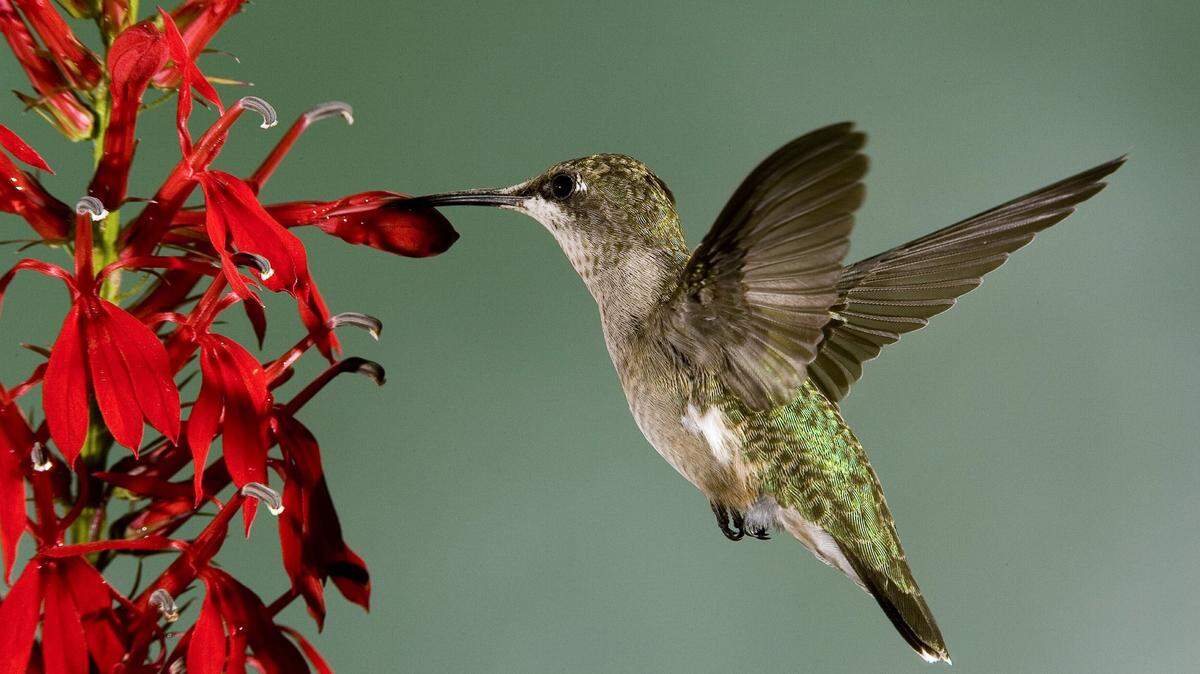
Mid-April is nearly upon us, and that means it’s hummingbird season in Kansas City. After spending the winter in Central America, these tiny birds are headed north for the warmer months — and they’ll be passing right through Kansas City.
“We’re running a little behind (this year) because it’s been so cool,” said Johnson County Extension horticulturist Dennis Patton, who also writes a gardening column for The Star. “(But) we’re in the time to be putting out that feeder.”
Whether you’re an expert birder or a novice nature-lover, it’s always a treat to spot a hummingbird. Here are five tips that may help you spot one in the metro.
Grow native plants
Whether you have a lush garden or a tiny balcony, you can use native plants to attract hummingbirds and help them fuel up for the journey north.
Colorful native flowers like wild bergamot, beebalm, coral honeysuckle and cardinal flowers are great choices. In addition to being beautiful, these flowers produce lots of nectar for hummingbirds to eat.
A note on honeysuckle: Japanese honeysuckle is an invasive plant common in the Kansas City area. Make sure you’re selecting the coral variety, also called “trumpet” honeysuckle, when planning your hummingbird rest stop.
This native species has long red or deep pink flowers that grow in distinctive clusters, while Japanese honeysuckle typically has small white and yellow flowers.
“What the hummingbirds like are those longer, tubular-shaped flowers,” Patton told The Star. “Diversity is also a good thing — sometimes a mix of plants are more likely to have hummers come to your area.”
If you’re not sure about what plants to choose, the local native plant nonprofit Deep Roots KC has a wealth of guidance linked on its website. Apartment dwellers can also check out the Missouri Botanical Garden’s guide to container gardening with native plants.
Hang a hummingbird feeder
If you can’t provide real nectar to migrating hummingbirds, a homemade sugar syrup is the next best thing. Simply boil one part sugar in four parts water, let the mixture cool and use it to fill a hummingbird feeder from your local gardening or hardware store.
Hummingbird feeders are usually brightly colored to help attract the birds. If possible, hang your feeder away from the windows of your home to help avoid window collisions.
Note: Take care NOT to use honey or red food dye in your homemade syrup, as these ingredients have the potential to cause health problems for hummingbirds.
“Make sure that you really sterilize (and) clean out the feeder from time to time so you don’t get issues with any type of diseases transmitted to the hummingbird,” Patton added.
Avoid pesticides outside your home
Nobody likes dealing with pests, but spraying pesticides in your yard or on your potted plants can cause serious health problems or even death for migrating hummingbirds.
Instead, keep your local insects alive and let traveling hummingbirds feed on them. The birds don’t subsist on nectar alone: They also need the protein provided by insects like fruit flies and spiders.
Provide a water source
Hummingbirds are frequent bathers, and often need a drink during migration — especially on hot days. Providing a bird bath or a small water feature outside your home can help them stay hydrated.
Patton recommended propping a stick in your birdbath to give hummingbirds a place to perch to access the water.
“If you have a little stick or something that kind of floats on or that they can walk up on, it’s just a safe little way to protect other things that might fall into a deeper birdbath,” he said.
According to the National Audubon Society, a misting device is an especially attractive water source for hummingbirds. You can find misters at your local gardening store or online.
Give hummingbirds a place to perch
Hummingbirds flap their wings upwards of 50 times per second, burning through calories so quickly that they need to eat up to half their body weight in nectar and insects every day.
Any chance they get to rest is precious — and you can help give them a place to perch on their long journey north.
If you have a garden or yard of your own, consider leaving some small protruding twigs and branches on your trees and shrubbery while pruning. These small sticks may not look like much, but they can provide a great resting spot — bonus points if these branches are close to a nectar source.
If you don’t have a yard, you can still help hummingbirds take a break by hanging an inexpensive hummingbird perch. These small devices are made to fit hummingbirds’ tiny feet, and can be hung from your feeder or another spot outside your home.
Do you have more questions about wildlife in the Kansas City area? Ask the Service Journalism team at kcq@kcstar.com.
.jpg)