
These Kansas City performers and artists helped bring light to a dark year
2020 started off with such promise.
The Kansas City Symphony had big plans to celebrate the 250th anniversary of Beethoven’s birth, and the Lyric Opera of Kansas City had several new productions in the works, including “Porgy and Bess” and “The (R)evolution of Steve Jobs.”
The Harriman-Jewell Series, as usual, had an incredible lineup of stars ready to come to Kansas City. And the Kansas City Ballet was hoping to mount several major works, including George Balanchine’s masterpiece “Jewels.”
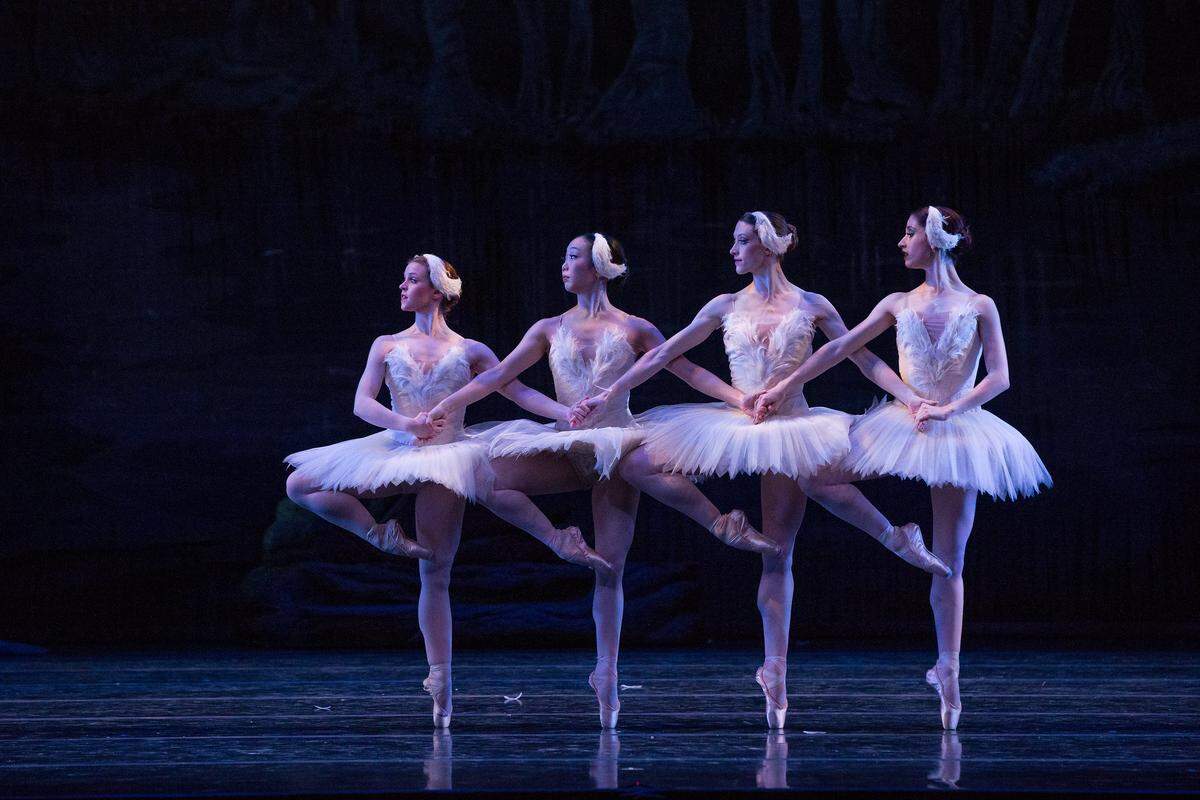
Some of those plans came to fruition. The Kansas City Ballet’s “Swan Lake” took flight in February. That same month, the Kansas City Symphony presented Beethoven’s Mass in C.
But then it was March.
By the middle of the month, it became clear that the COVID-19 pandemic was going to bring the 2019-20 arts season to a shockingly early conclusion. The virus has since proved to be the biggest existential threat to arts organizations in their history.
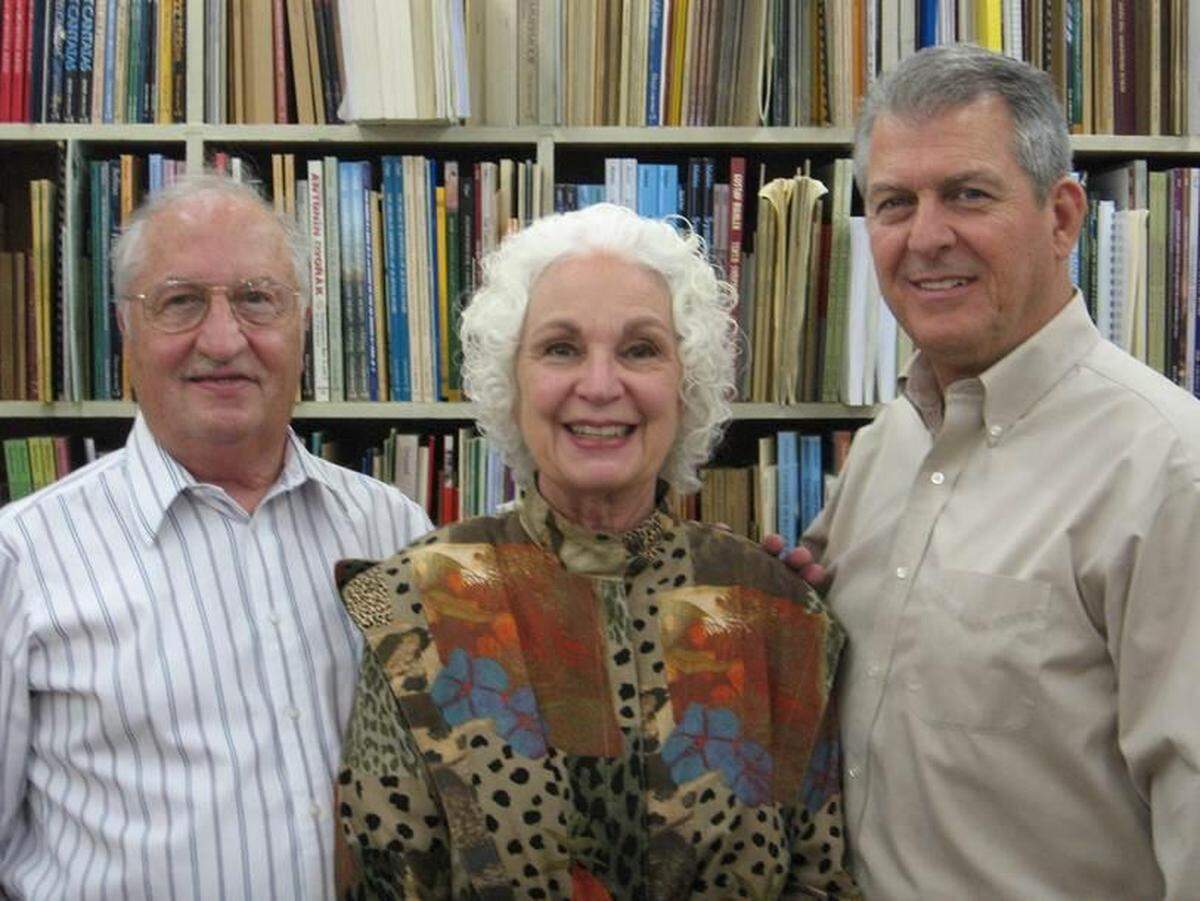
And the pandemic wasn’t the only downer for Kansas City’s classical music lovers. On June 20, Luyben Music, which had spent 70 years building “strong minds and caring hearts,” closed. And in September, the Overland Park branch of one of the nation’s oldest piano sellers, Schmitt Music, also closed.
Neither closing was directly related to the pandemic. Annette Luyben, who took over operation of her parents’ store in 1980, attributed the closing, in large part, to competition from online sales. And Harry Reed, the piano department manager for Schmitt, who also worked at Kansas City’s venerable Jenkins Music, said he and his staff were simply ready to retire.
But in spite of all the gloom, there were an amazing number of “good news” stories for me to write about this year. Such as the ingenious ways our smart arts organizations quickly adapted to new realities, making the best of a bad situation.
Groups like Bach Aria Soloists and Carlsen Center Presents became adept at virtual streaming concerts. The Harriman-Jewell Series presented two highly successful live virtual concerts: a cello recital by Ifetayo Ali-Landing and “Holiday Bliss,” a delightful holiday program which was conceived and produced by the series. It featured Prairie Village native and opera star Benjamin Bliss. (It’s still available to watch, for free, at hjseries.org/events.)
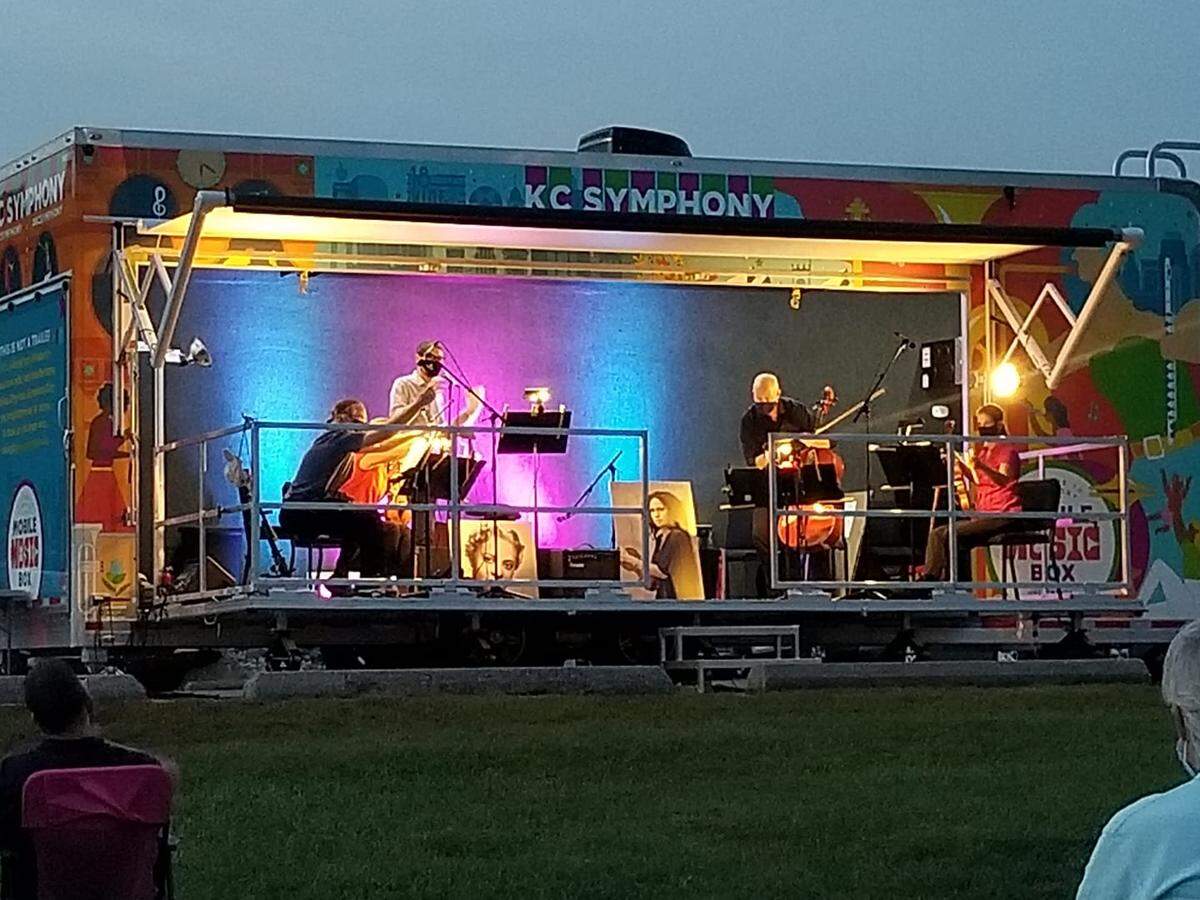
While the Kansas City Symphony wasn’t performing in Helzberg Hall, its musicians were far from idle. In addition to recording video performances of themselves at home, which they made available on social media, they also took their music to the people via the symphony’s Mobile Music Box.
And the Lyric Opera ended the year with “Amahl and the Night Visitors.” This puppet version of Menotti’s touching Christmas opera was going to be performed in front of a live audience, but after the pandemic surged, the Lyric decided to hire a professional crew to film it instead. Now the gorgeous, jewel-like production can be enjoyed for generations to come. (It’s available to view through Jan. 31 at kcopera.org. $40).
After two decades of not having a classical FM radio station in Kansas City, 91.9 Classical KC went on the air in July, bringing much-needed relief to those bereft of live classical music.
And several of Kansas City’s superb musicians and ensembles released important and excellent recordings. Like violinist Purnaprajna Bangere and his Purna Loka Ensemble, whose new album, “Metaraga,” combines traditional Indian music with Western genres to create a totally new sound that is beyond mere fusion.
The research of Slawomir Dobrzánski on Polish pianist and composer Wiktor Labunski resulted in a new (and only) recording of Labunski’s piano music. As long-term dean of the University of Missouri-Kansas City Conservatory of Music and Dance, Labunski left an important mark on Kansas City’s musical history. This recording will help make sure Labunski’s legacy is not forgotten.
Opus 76 string quartet, one of Kansas City’s newest ensembles and one of its best, recorded the complete Beethoven string quartets. An audacious achievement that leaves one breathlessly waiting for what’s next from these daring musicians.
And the Kansas City Chorale conducted by Charles Bruffy released yet another Grammy-nominated recording: Alexander Kastalsky’s “Requiem for Fallen Brothers.” Written to commemorate the victims of World War I, the work had not been performed since its premiere in 1917. This is a milestone recording with Bruffy at the top of his game, leading an astounding arsenal of forces in a masterful performance.
But one of my favorite stories this year was not about music. In August, I profiled Tom Dolphens, an artist who worked for The Star for 30 years. After retiring, he devoted himself to his long-time avocation of painting Orthodox icons. His glorious, glittering paintings, dripping in gold leaf, are even more powerful in light of Dolphens overcoming challenging personal struggles.
For me, Dolphens’ icons are a shining example of what will get us through this ongoing COVID-19 trauma.
.JPG "John Gregory, left_ Tom Dolphens, right (Photo credit - Patrick Neas).JPG")
“Beauty will save the world,” Dostoevsky wrote.
We are blessed because beauty, whether in the form of music, dance, golden icons or generosity of spirit and largeness of heart, is in no short supply in Kansas City. That beauty, which no virus can destroy, will save us.
You can reach Patrick Neas at patrickneas@kcartsbeat.com and follow his Facebook page, KC Arts Beat, at www.facebook.com/kcartsbeat.