
Buddy Holly and Roy Orbison will appear in KC as holograms — here’s how that works
When a holographic image of the late rapper Tupac appeared to “perform” during a set by Snoop Dogg and Dr. Dre at the 2012 Coachella Festival, millions of people worldwide took notice.
Marty Tudor was one of those millions. But what he also saw was the possibility he was witnessing the start of a whole new type of live show that could tour worldwide.
“I, like most people, saw Tupac. I didn’t see him in person, but I saw it on YouTube and so on and so forth, like everybody else did,” Tudor said in a late-August phone interview. “If you add up all the different views of that, it’s almost 2 million views. So clearly, there’s real interest in this as an art form potentially. My thing is, coming from my background, which is both artist management and producing shows, I looked at it and I said ‘You guys, he only did two songs. Where’s the rest of it?’ And I thought this could potentially be something.”
Seven years later, audiences are getting introduced to what “the rest of it” is at this point in time, as Tudor and his company, BASE Holograms Productions, is bringing live shows featuring holographic images of late artists performing on stage alongside a live band.
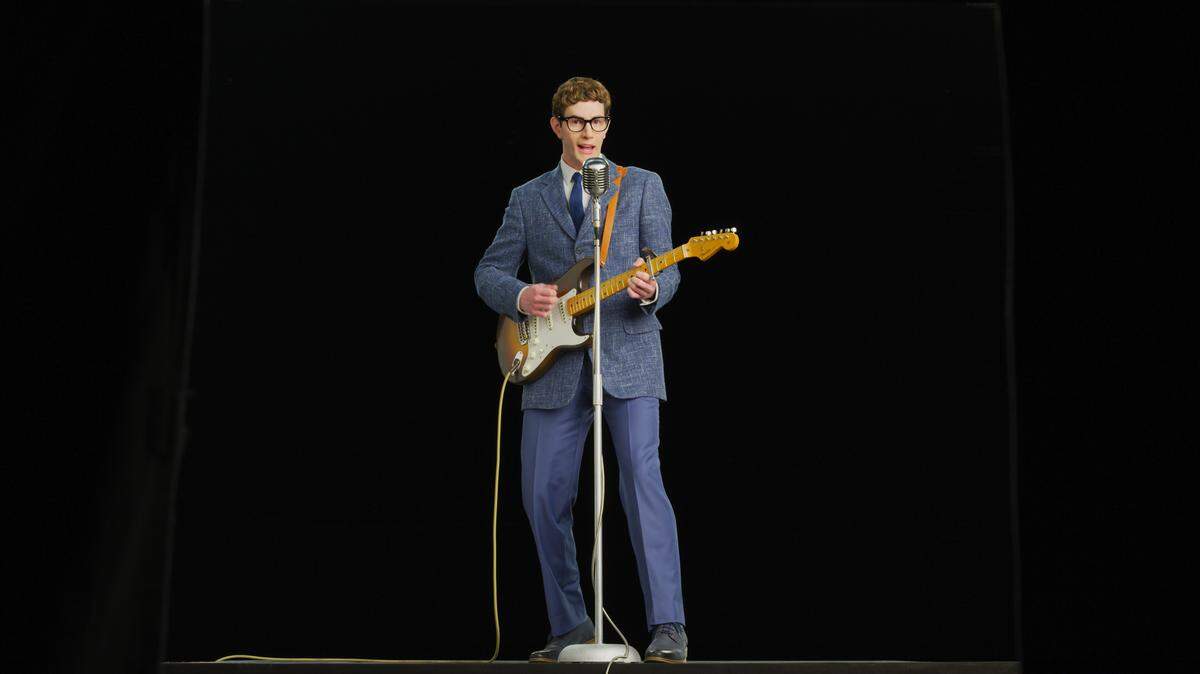
BASE started touring hologram shows featuring the late opera singer Maria Callas and Roy Orbison last year. This fall, the company has created a double bill using holograms of Orbison and Buddy Holly performing separate sets that make up a single night of entertainment.
The tour runs through Nov. 20 and stops at the Arvest Bank Theatre at the Midland on Monday, Oct. 21.
Next year, BASE will debut an elaborate Whitney Houston holographic show (complete with a live band, dancers and backing vocalists), and several other companies are currently working to develop productions featuring holograms of other artists that have passed away.
It appears that now not only will the music and the legend of iconic artists live on long after they’ve departed this Earth, so will something that closely resembles the actual living, breathing artist — singing, moving about concert stages and interacting with live musicians and live audiences as if that artist was really there.
Holographic technology
The technology behind holograms is actually anything but new.
The earliest holograms used a technique, the Pepper’s ghost (named after the inventor, English scientist John Henry Pepper), that was introduced in 1862. It uses an image that is shown onto a see-through sheet of plastic (or glass), and with the use of lighting and props behind the sheet, this creates an image of the subject.
The Pepper’s ghost hologram method is still around (it was used in part to create the Tupac hologram), but it wouldn’t work for what Tudor and his company had in mind. So Tudor and his partners in the project began researching newer cutting-edge digital, hi-definition technologies that have emerged in recent years and continue to be improved.
Tudor and his team at BASE selected Epson, a company widely known for manufacturing printers, as a main partner. Epson also specializes in projectors and had developed a model that could produce images that surpassed conventional high definition quality and was small enough and easy enough to operate that it could be set up and taken down in touring productions.
But having a way to project the final hologram image was only part of the equation.
In creating the holograms of Holly and Orbison, as well as Callas, the company sought to create a truly lifelike image of the artist, one that would share the mannerisms and movements of the artist and interact on stage.
Motion suits are used with some holograms, but BASE decided to involve a human component.
“We go through a casting process where we look for a body double,” Tudor said. “Then once we find the body double, we put them into rehearsal, and that is typically about 12 weeks of rehearsals, intense rehearsals (with the live band), and we use archive footage for reference, really. It’s a pretty intense process. Then we capture the body double doing the performances and we marry that up to the original vocals of the artist.”
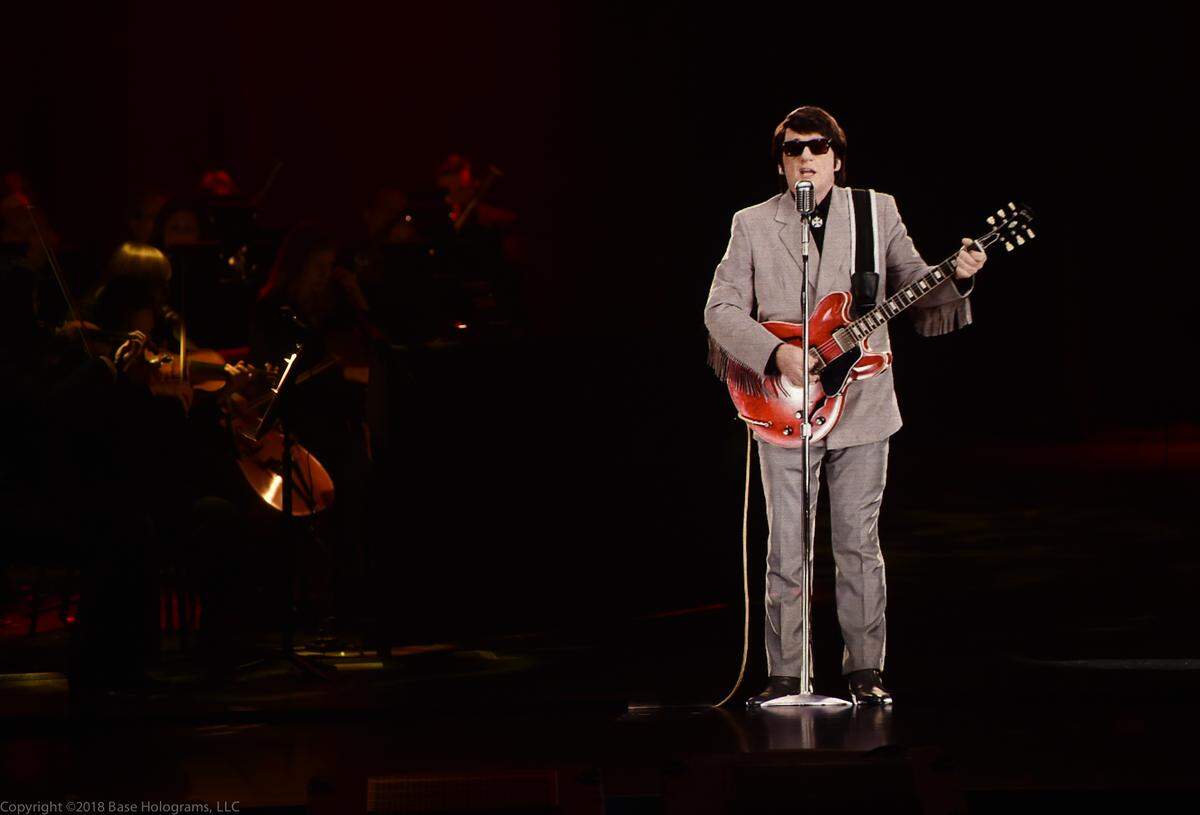
Computer technology is then used on the photos and footage of the body double to create highly accurate facial features of the artist, and that final footage is projected to the stage to create the hologram that looks very lifelike as it sings and performs to the music played by the live band.
“I’ve seen it, as you can imagine, hundreds of times,” Tudor said of BASE’s Orbison and Callas shows. “And even though I know consciously this isn’t really there, my brain somehow falls into reacting as if the artist is there. And then I watch audiences, and they cheer and they sing along and they applaud for it. It’s really quite a special new type of experience.”
The Holly/Orbison show
What also makes the Holly/Orbison hologram show different is there is a theatrical, story-telling element woven in the show. Before the hologram is created, a script is written that adds structure and flow to the songs that are performed in the show.
Holly died in 1959; Orbison in 1988.
“We do have interspersal videos that give you some of their history and their background and what motivated them and so on,” Tudor said of the Holly/Orbison show. “So it gives context, then, to the songs.”
Throughout every stage of the process, creating a show that is authentic and an accurate representation of the artist is a top priority.
“Buddy is very animated on stage,” Tudor said, providing an example. “Roy as a performer, was not animated at all. He was mannequin-like, believe it or not. And so we stayed true to that. We have Roy moving maybe a little bit more than he did, just to keep it alive, if you will, but not to the extent where you would go ‘No, Roy never did that. Roy wouldn’t do that.’ It truly is authentic, and we rely heavily on the estates and the families to guide us. They are effectively our partners in this and are with us all the way through the whole process.”
Creating concerts like the one featuring Orbison and Holly is only one of a myriad of applications that may be possible as hologram technology evolves.
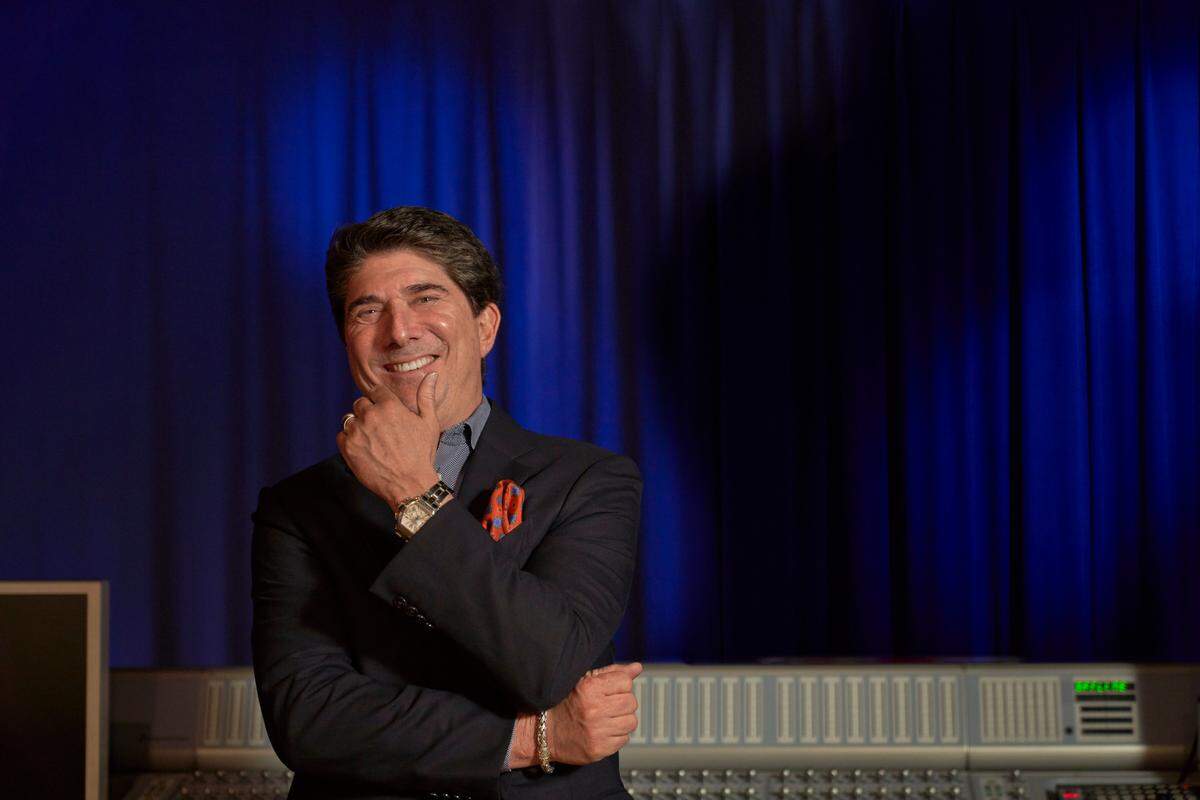
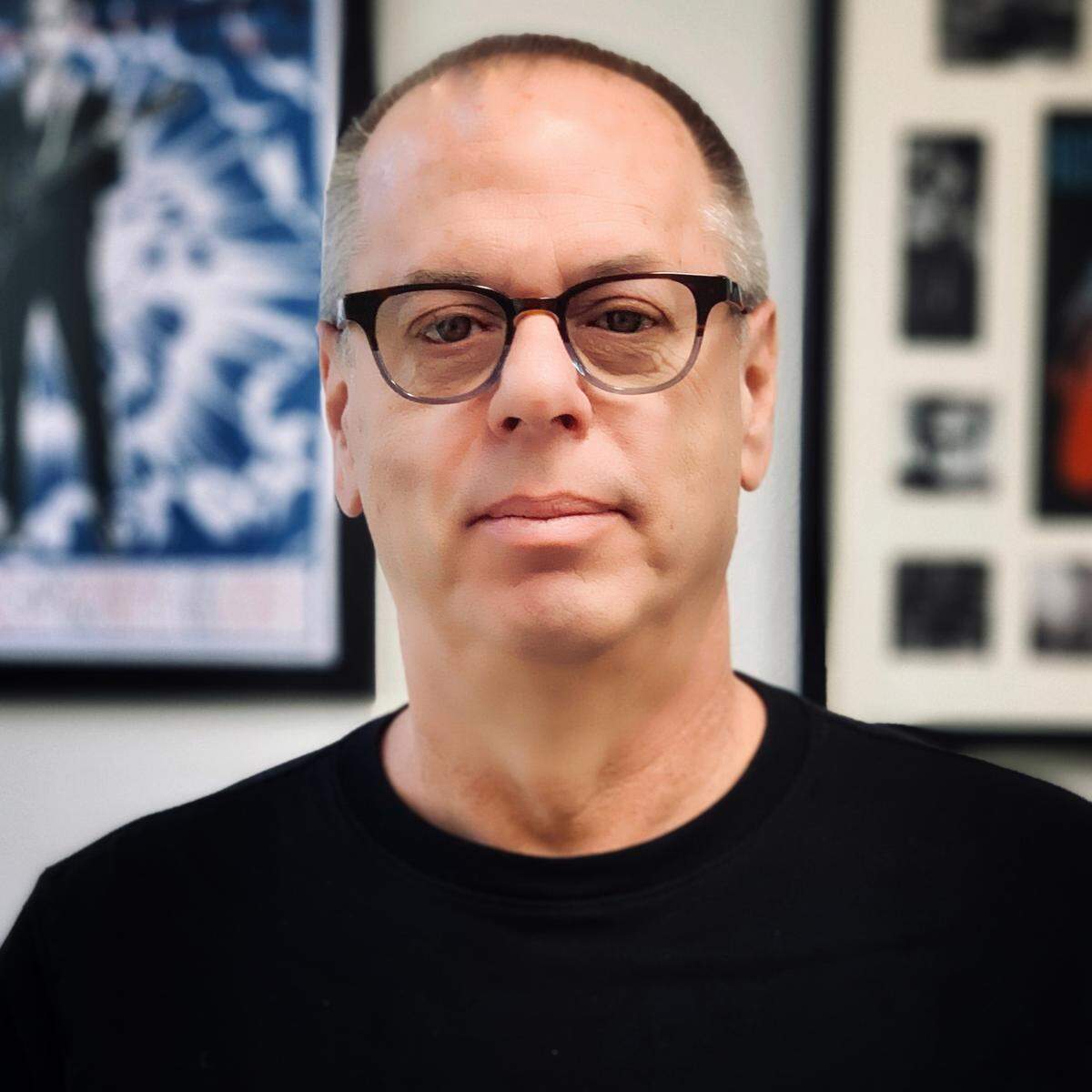
Brian C. Becker, chief executive officer & founder of BASE Entertainment and chairman & chief executive officer of BASE Hologram, sees multiple uses for holograms.
Holographic versions can be created of animals (such as dinosaurs), historic figures — most anything that lived or still lives. He said productions can be staged at a wide variety of locations, not just theaters, but venues like museums, retail malls and cruise ships, to name a few.
Eventually he believes there will be home uses for holograms.
“I foresee potential in us developing new content and innovative content, whether it’s new music artists or not, although there are (also) some really interesting commercial applications to what we are doing,” Becker said in a separate interview.
“For example, say we wanted to create a new artist series at 20 Simon malls across the country. We could work with record companies to create holographic presentations of their artists that are issuing their first album or their second album. Because it is fascinating, it is really, really entertaining, and there is a differentiation, a marketing differentiation to this versus, say, seeing a video or something. I think there will be a lot of applications.”
Roy Orbison and Buddy Holly: The Rock ’N’ Roll Dream Tour
7:30 p.m. Monday, Oct. 21, at Arvest Bank Theatre at the Midland. 816-283-9921. Tickets are $39.50-$79.50 through arvestbanktheatre.com.