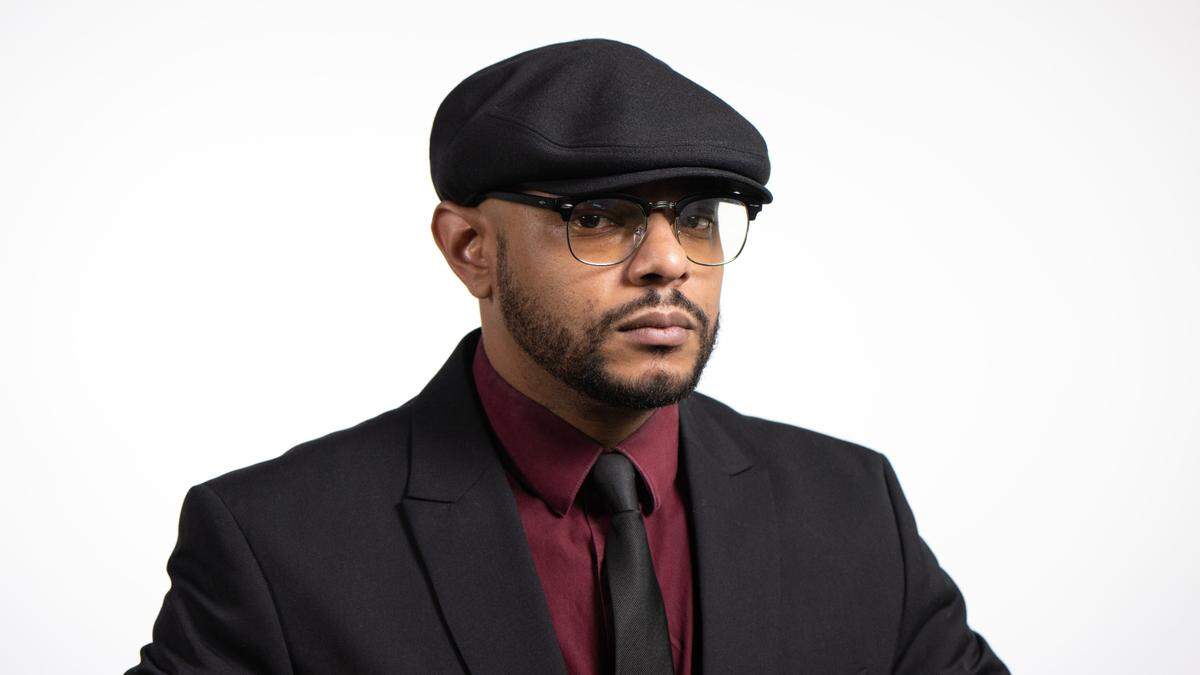
From dance to ceramics, these 4 artists channel Japanese culture to create in KC
In Kansas City a growing group of Japanese and Japanese American artists are building a cultural presence that did not fully exist in the region a decade ago.
“When I first moved to Kansas City there was no Japanese community I could find,” said Madoka Koguchi, founder of Yukari KC. “Most people don't really have an idea of how hard it can be to live in a place where there is no community.”
Today the Tokyo-born performer turned community advocate is among a wave of Japanese artisans who are shaping culture and connection across the metro. Meet four of them:
Keiko Kira shares anchient art of furoshiki
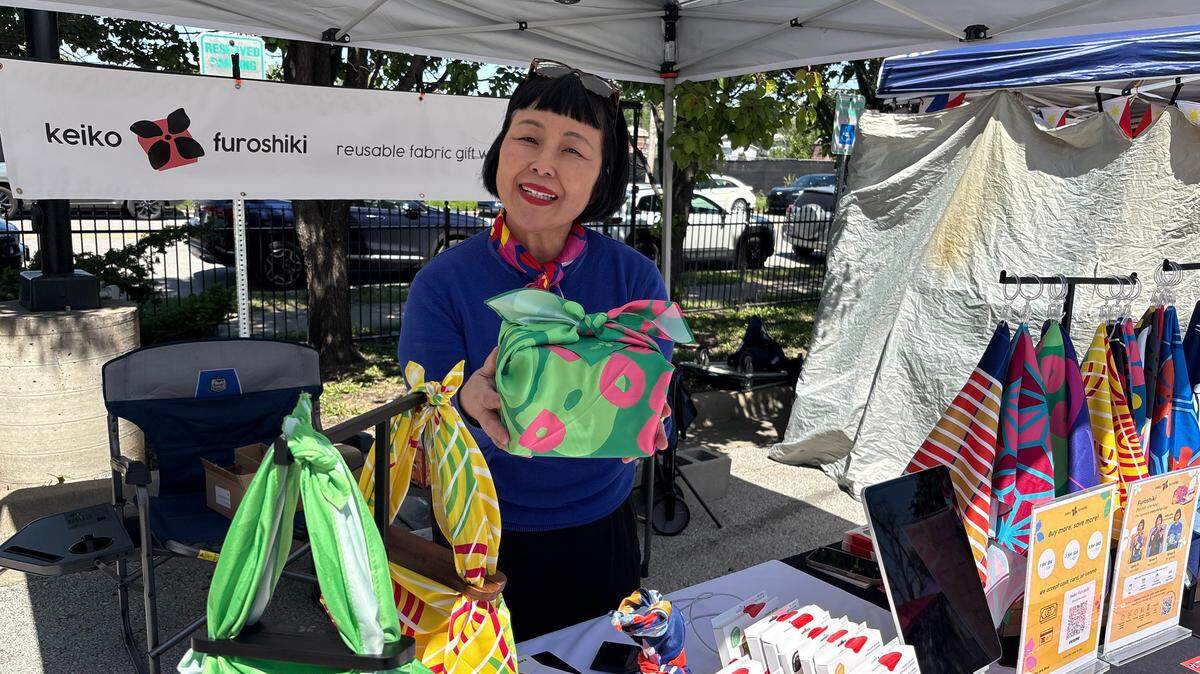
Keiko Kira does not introduce furoshiki as an artifact. She introduces it as something people can use immediately.
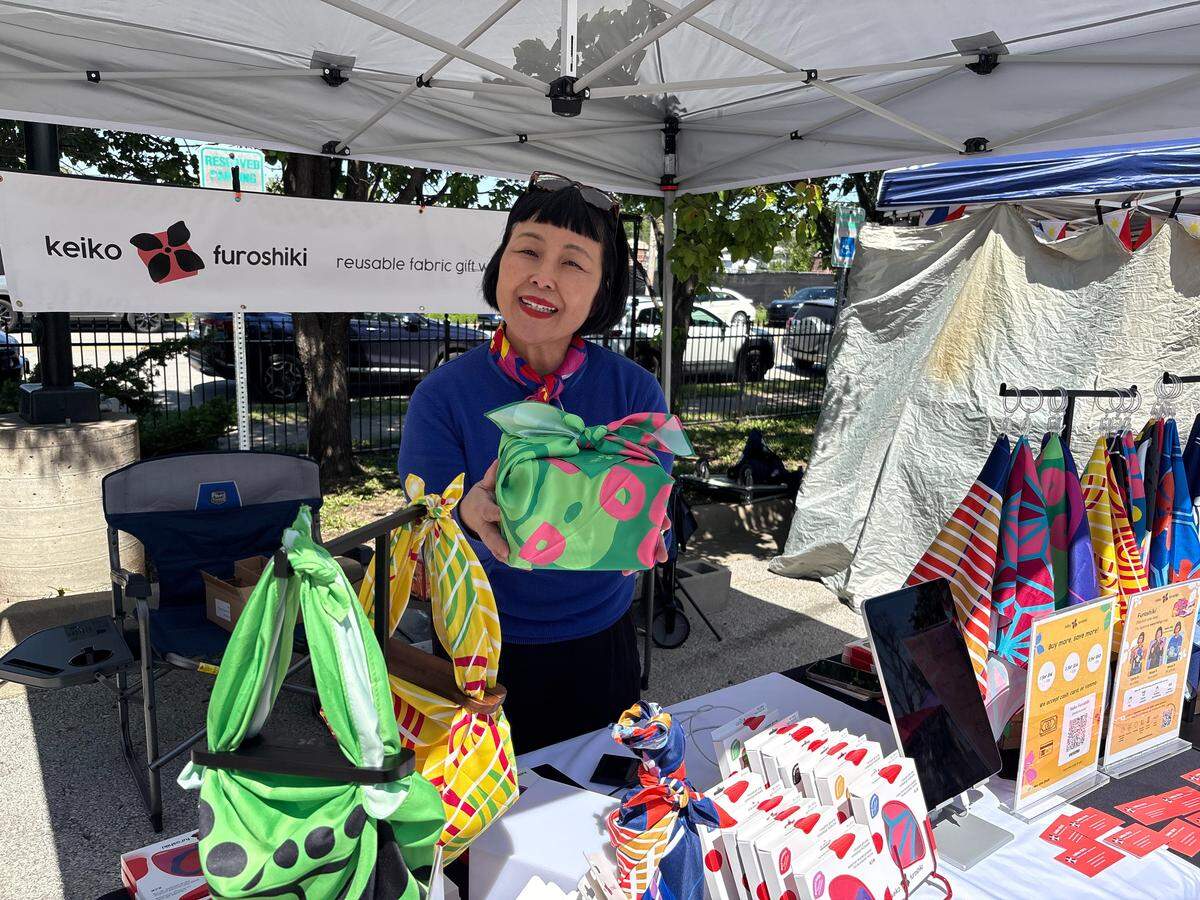
At festivals and workshops across the Kansas City metro, she often begins by unfolding a square piece of fabric and tying its corners into a small bag. Within seconds, what looks like a simple cloth becomes something functional.
For Kira, that moment is the point. She brings in people with curiosity and that allows her a moment to explain her business and its roots in a tradition from her home.
Born and raised in Beppu, Japan, Kira has lived in Kansas City for more than three decades. She came to the United States at 16 to pursue her education, eventually settling in the Midwest after studying at the University of Kansas. Over the years, she built a career as both an artist and educator, working as an adjunct professor at Johnson County Community College and as a museum educator at the Nelson-Atkins Museum of Art.
Her work today centers on furoshiki, a centuries-old Japanese practice that uses square fabric to wrap, carry and present items. While the technique has existed for more than 1,000 years, Kira approaches it not as a relic, but as a tool that fits into everyday life. That adaptability is part of what drew Kira to it, along with its connection to sustainability.
“Sustainability only works when it becomes part of daily life,” she said. “If we don’t use it, it’s very difficult to maintain.”
Kira’s path into furoshiki was not immediate. For much of her career, her focus remained on teaching and studio art. Her daughter-in-law approached her with the idea of starting a family business that would combine Kira’s artistic background with the family’s shared interest in environmental responsibility.
The concept centered on furoshiki.
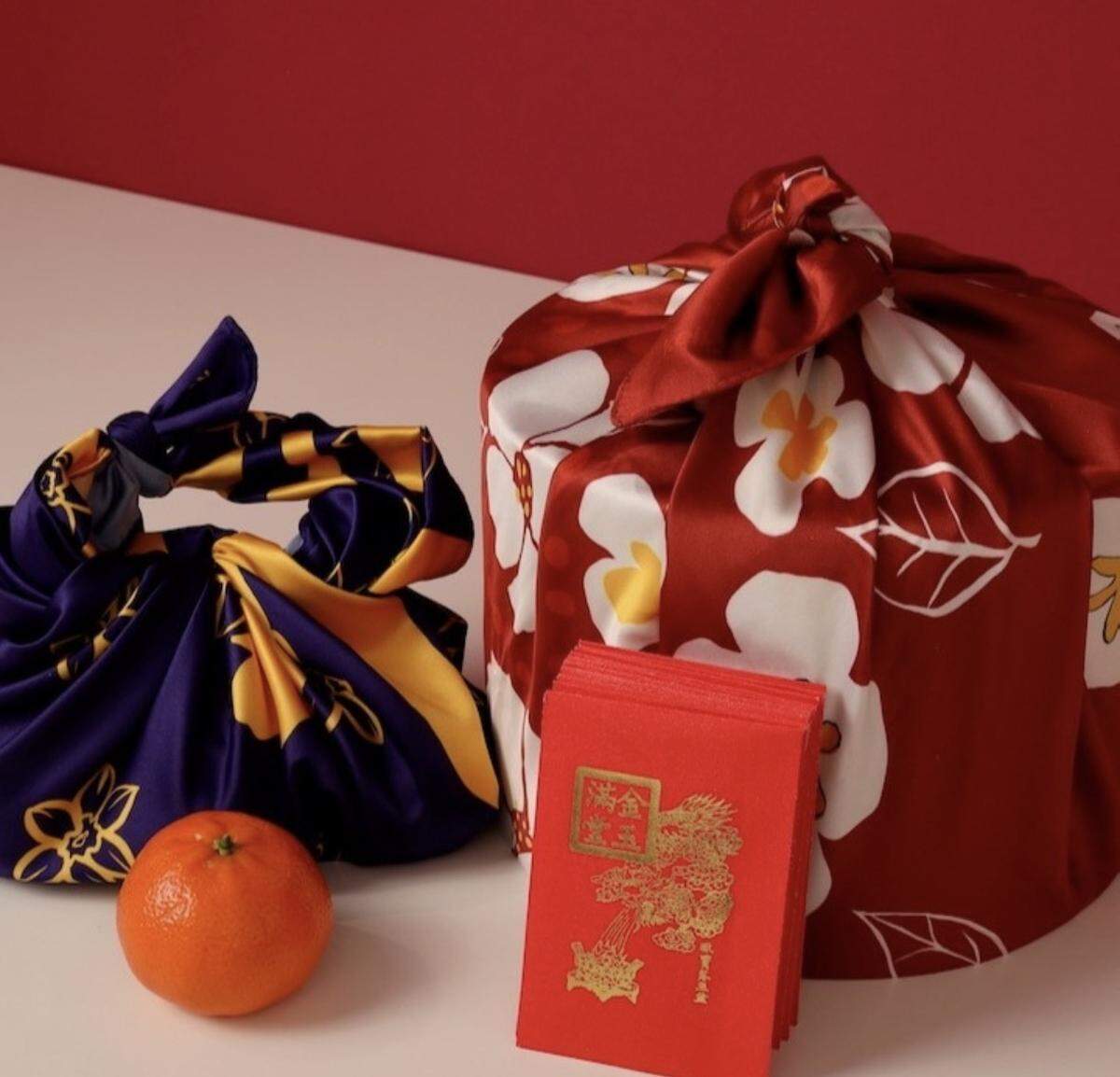
The material itself is simple, a square of fabric. Its uses are not. Depending on how it is folded and tied, it can function as gift wrap, a carrying bag, a scarf or a protective covering.
She sells these cloths made of various fabrics at vendor events and also hosts workshops, giving live demonstrations on the practice.
In workshops, Kira often points to the waste created by disposable gift wrap, using the example to frame furoshiki as a practical alternative rather than an abstract environmental gesture.
“It’s something simple enough that you can fold and carry with you,” she said. “But it can also be very functional.”
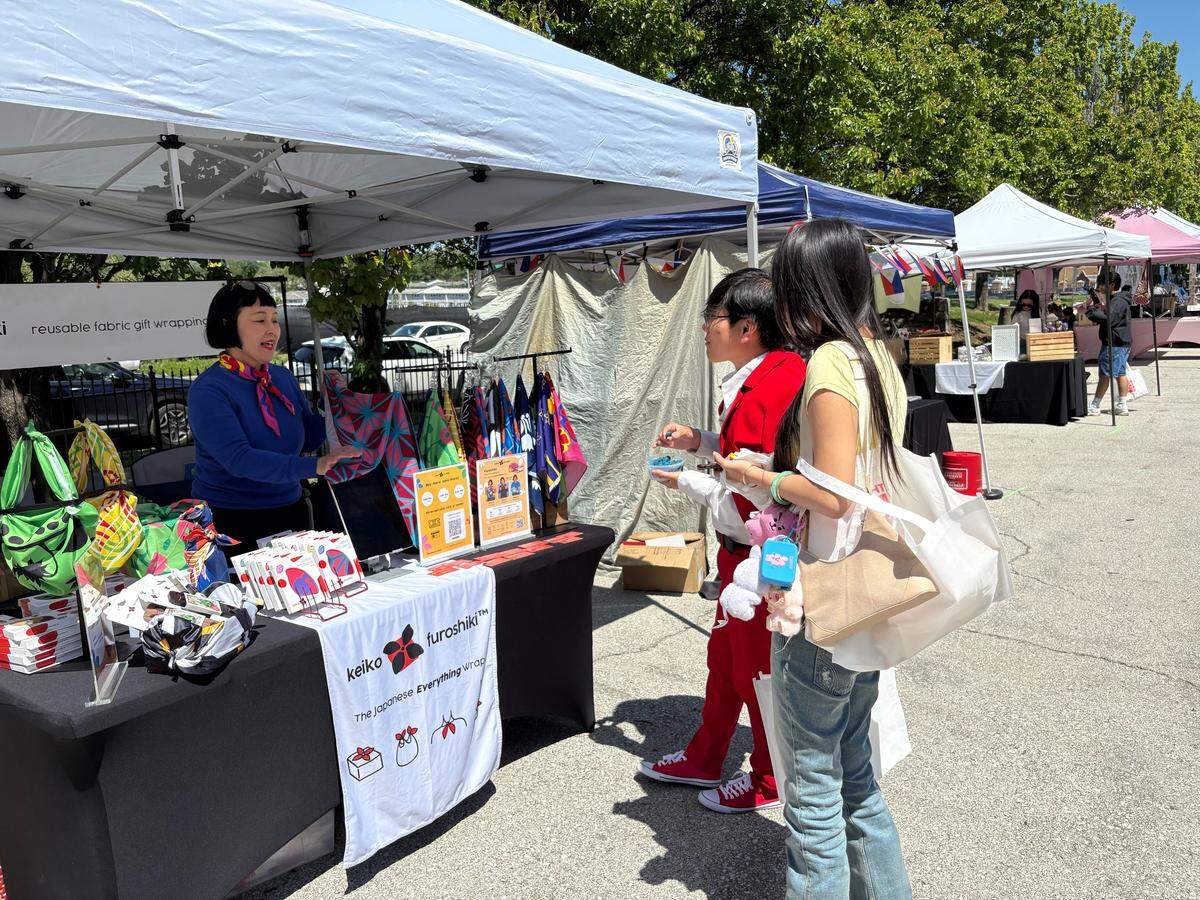
Her work combines that practicality with her background in design. Kira creates original patterns inspired by traditional Japanese motifs, including wagara, the decorative designs commonly found in kimono textiles. Drawing on childhood memories, seasonal imagery and cultural symbolism, she adapts those elements into contemporary prints.
While her process now involves digital tools, including designing on an iPad, she maintains an emphasis on precision and detail rooted in Japanese craftsmanship.
“I still think about being truthful to what I want to represent,” she said.
Kira’s business primarily uses recycled polyester fabric, a decision tied to her focus on minimizing waste. For custom clients, she also works with materials such as silk, cotton and linen, depending on the application.
Much of her work extends beyond the product itself.
Kira regularly participates in community events, including the Greater Kansas City Japan Festival and programming organized by Yukari KC. Through live demonstrations and workshops, she teaches participants how to use furoshiki, often guiding them through techniques they can apply immediately.
“People are curious,” she said. “But sometimes they hesitate because they don’t know how to use it.”
That hesitation often shifts once people see the process. Kira describes a common moment during demonstrations when participants recognize the simplicity of the technique.
“They have that ‘oh, it’s like this’ moment,” she said.
In that sense, her role is less about selling fabric and more about bridging a gap. She positions furoshiki as both culturally significant and accessible, offering a way for people unfamiliar with Japanese traditions to engage through everyday use.
That approach aligns with broader changes taking place across the Kansas City area, where a growing number of artists and organizations are working to expand the visibility of Japanese and Asian American cultural practices. Kira sees that momentum as collaborative rather than isolated.
“Everybody is helping each other,” she said. “I find it very beautiful.”
Customers often arrive with different motivations. Some are drawn to the environmental aspect, looking for alternatives to disposable materials. Others come with an existing interest in Japanese culture, sometimes after encountering furoshiki through travel, media or family connections.
Kira meets both where they are.
“I see myself as a bridge,” she said. “Something that can be useful to everyone.”
Looking ahead, she hopes to expand her reach through additional workshops and partnerships with schools, organizations and businesses. Her goal is not only to grow her business, but to make furoshiki more visible as a practical option within everyday routines.
In a region where the practice is still relatively unfamiliar, that work remains ongoing. For Kira, it begins with something simple: a square piece of fabric, unfolded and placed in someone’s hands.
Madoka Koguchi creates connections through Yukari
Madoka Koguchi did not plan to build a community organization in Kansas City. She planned to be on stage.
Raised in Tokyo, Koguchi grew up immersed in the arts. Born into a family connected to the music industry, she began studying ballet before shifting to musical theater after seeing a Japanese production of “Cats.” The performance redirected her ambitions almost immediately.
“I immediately thought I want to be on that stage,” Koguchi said.
Her early exposure to touring American productions, including “West Side Story” and “Hairspray,” helped chart a path beyond Japan. After studying English in Toronto, she moved to New York in 2016 to pursue theater professionally. Shortly after completing her training, she landed a role as apart of the emsemble cast for the revival tour of “Miss Saigon.”
That trajectory ended in 2020.
When the COVID-19 pandemic shut down Broadway and touring productions across the country, Koguchi’s role disappeared along with the industry. With no clear timeline for its return, she reconsidered what came next.
“Our industry felt like it was the first to be gone and the last to come back,” she said. “I didn’t want to wait for the Broadway industry to come back.”
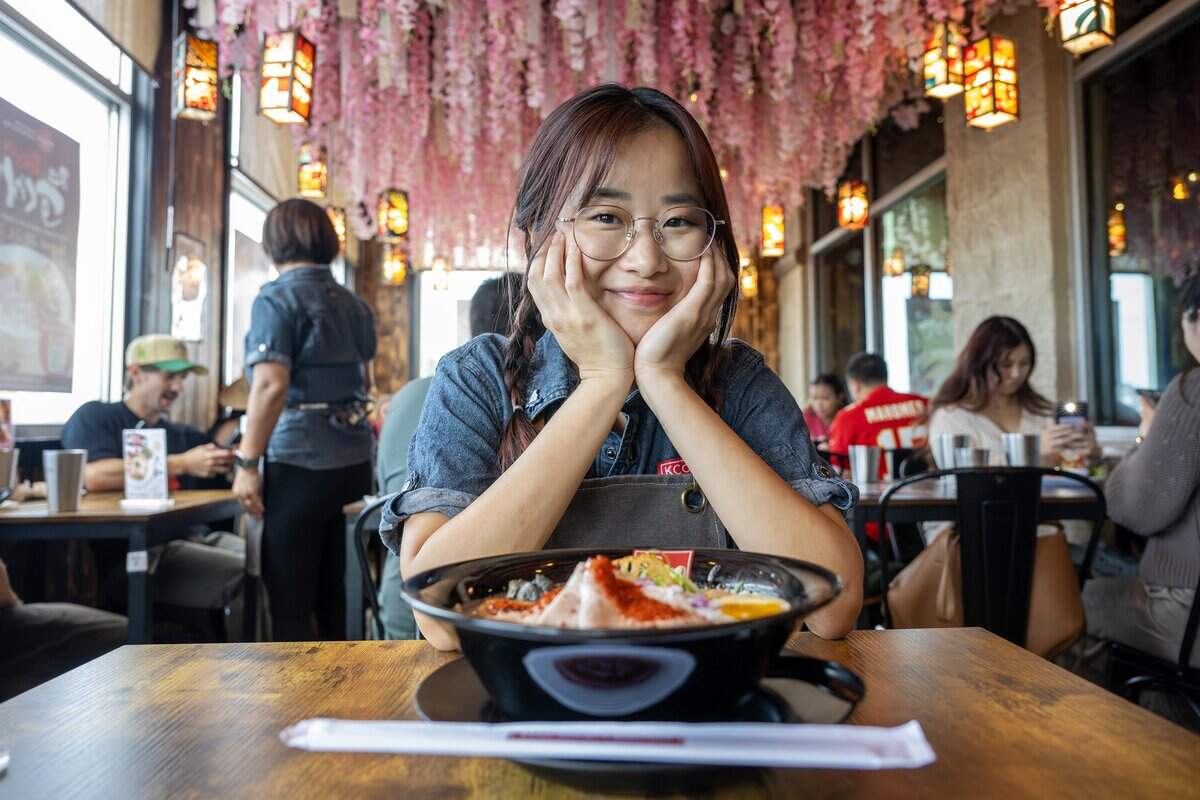
At the invitation of fellow cast member Jackie Nguyen, Koguchi relocated to Kansas City to help open Café Cà Phê, a coffee shop in the Columbus Park area. What began as a temporary pivot became a long-term shift.
Working at Café Cà Phê introduced Koguchi to community-centered work. The shop’s focus on supporting marginalized groups, including Asian American and LGBTQ+ communities, aligned with her own experiences navigating life in the United States as an immigrant.
“I experienced a lot of difficulties as an immigrant, as a foreigner, as a non-citizen of the United States, but also as a person of color,” she said. “So I’m able to contribute my own experience to the Café Cà Phê community work.”
Adjusting to life in the United States also meant adapting to cultural differences that extended beyond language. Koguchi described personal boundaries as an unfamiliar concept, noting that expectations around work and communication in Japan differ sharply from those in American workplaces.
“People text about work 24/7, and you’re expected to respond 24/7,” she said. “There’s no word for boundaries in Japanese.”
Everyday experiences, from restaurant portion sizes to the practice of taking leftovers home, reinforced that cultural distance. At the same time, those differences helped shape her understanding of how space, identity and community function in the United States.
When Koguchi arrived in Kansas City, she struggled to find a visible Japanese community. Several months passed before she encountered another Japanese resident by chance, an interaction that led to introductions and connections that had previously been out of reach.
“By being able to speak Japanese for the first time in months, I just realized how much I needed that,” she said.
The experience revealed a gap. While cultural exchange opportunities existed, there were few dedicated spaces where Japanese residents could connect with one another without the expectation of educating others.
In response, Koguchi co-founded Yukari KC, a nonprofit focused on building networks within the Japanese community across the metro. The organization draws inspiration from Café Cà Phê and its sister nonprofit, Hella Good Deeds, but focuses specifically on creating space for Japanese and Japanese American residents.
“We do that in our daily life, either consciously or subconsciously, educating people about our culture,” she said. “But what’s missing is the spaces just for us, where we don’t have to educate anybody.”
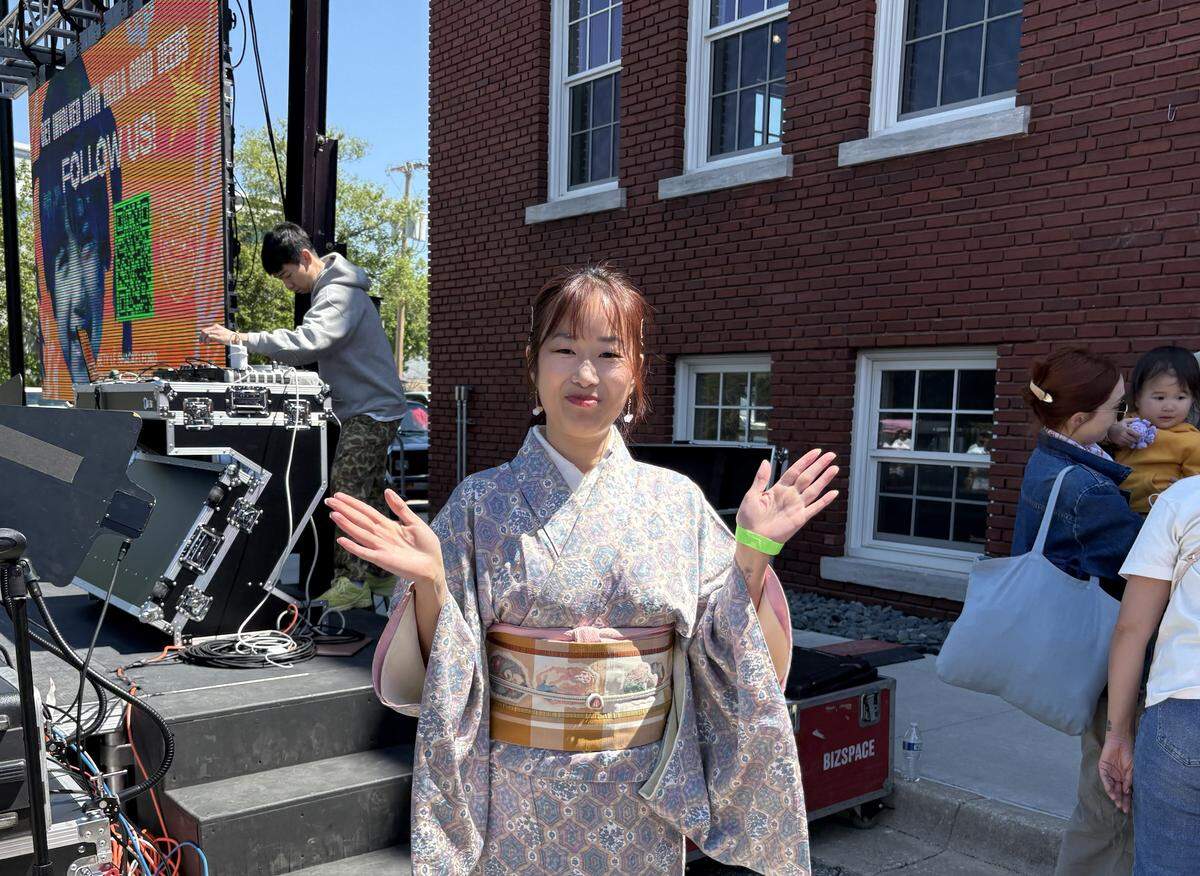
Yukari KC hosts cultural and community events designed to bring people together, from casual gatherings to organized programming. These events include mixers, festivals and vendor events.
Koguchi describes one of her goals as serving as a “lighthouse” for the community, making it easier for people to find one another in a region where those networks are still developing.
That need has grown as the number of Japanese residents in the Kansas City area increases, driven in part by Panasonic’s planned facility in nearby De Soto, Kansas. Many newcomers arrive without established connections or practical knowledge of the area.
“They don’t really have the idea of how hard it can be to live in a place where there is no community,” Koguchi said.
Through Yukari KC, she hopes to bridge that gap by connecting new arrivals with long-term residents and providing resources, from local service recommendations to social opportunities.
Despite the challenges of building visibility and participation, Koguchi points to small moments of connection as the most meaningful measure of success.
“Seeing them exchange their numbers and then seeing pictures that they hung out for the first time, that just generally makes my day,” she said.
Looking ahead, she hopes to expand Yukari KC’s programming, including workshops and cooking classes centered on shared cultural experiences. Food, she said, offers another path to connection, especially for those far from home.
“I missed my mom’s cooking, my grandma’s cooking,” she said. “Connecting ourselves with food is important.”
For Koguchi, Kansas City was not part of the original plan. But in the absence of the stage she once pursued, she has built a different kind of platform, one rooted in the connections it helps create.
Maiko Okamura, repairing and restoring through tradition
In a the studio in Baldwin City belonging to Maiko Okamura and her husband, Joseph Anderson-Story, broken ceramics arrive in boxes from across the country, carefully wrapped and often accompanied by a note explaining what the object once meant.
Together, the couple operates a studio focused on kintsugi, a centuries-old Japanese technique that restores broken ceramics using natural lacquer and metallic powders. Rather than concealing damage, the process highlights cracks, turning fractures into part of the object’s history.
Okamura, who was born in Tokyo and raised in Kawasaki, came to the United States at the age of 19 to study art therapy, a field that was not widely available in Japan at the time.
At the time, Anderson-Story was working as a glassblower, and Okamura was employed at a local gallery and retail space. Surrounded by damaged ceramics and objects that could not be resold, the couple began experimenting with repairs. A co-worker introduced them to kintsugi, and what began as curiosity gradually developed into a disciplined practice.
“I didn’t really know much about it,” Okamura said. “I may have seen it in a museum, but that was the first time I really studied it.”
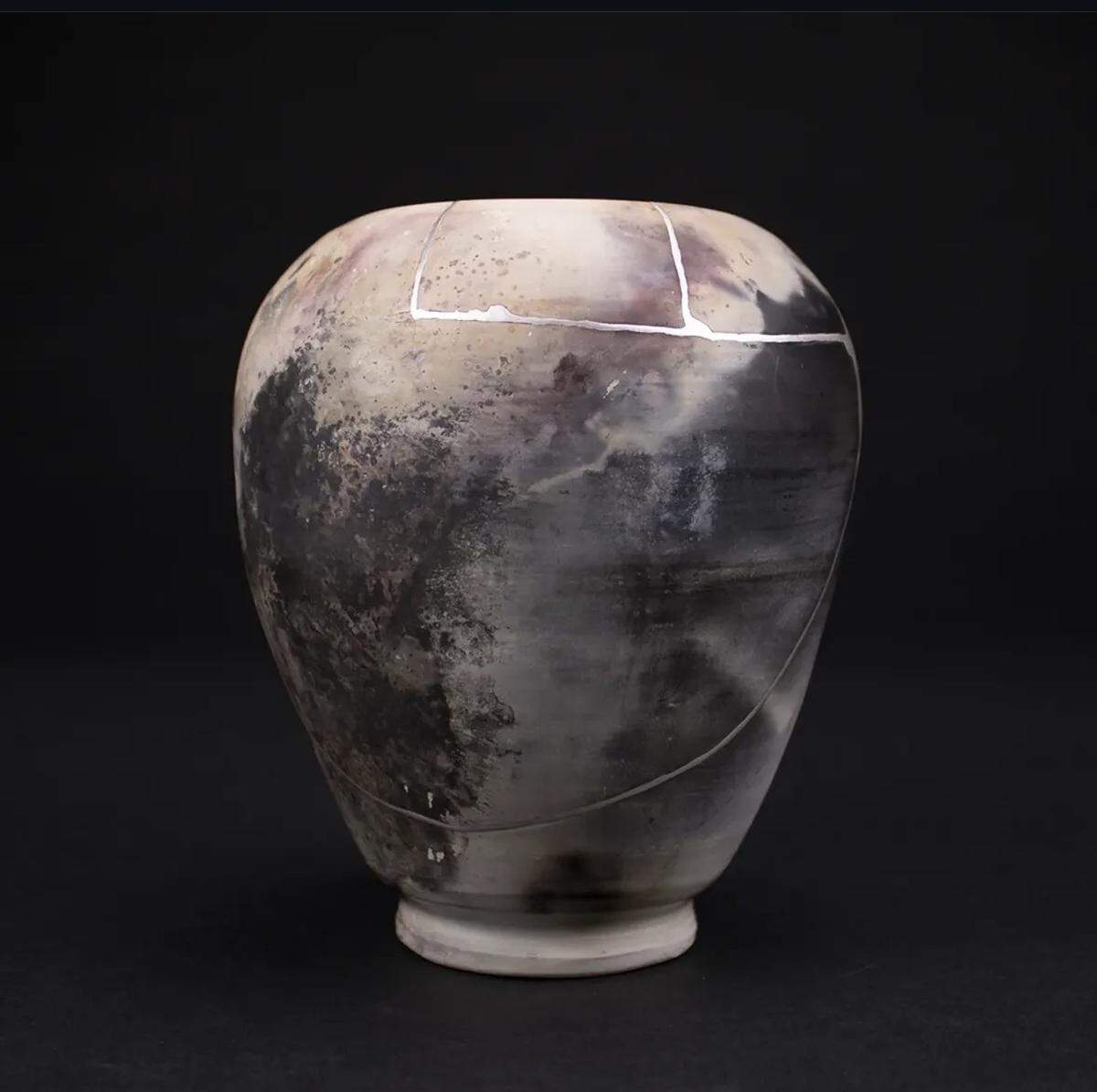
Their introduction to the craft was rooted less in philosophy and more in material. The process relies on urushi, a natural lacquer derived from tree sap that hardens over time into a durable, food-safe coating. The material is difficult to work with, requiring careful handling and precise environmental conditions to cure properly.
“It’s an amazing material,” Anderson-Story said. “But you have to respect it.”
That respect is built into the pace of their work.
Each repair begins with a detailed assessment. Okamura evaluates the condition of the piece and works with clients to determine how it will be restored, whether the goal is full functionality or partial preservation. From there, the process unfolds over months.
The pieces are cleaned thoroughly to remove any oils that would interfere with adhesion. Edges are filed, and fragments are reassembled using a paste made from lacquer, flour and water. Additional layers are applied to fill gaps and create a smooth surface before a final coat of lacquer is brushed on. Only then is the signature step added, dusting the seams with gold, silver or other metals.
A single piece can take four to six months to complete.
“It’s incredibly detailed work,” Anderson-Story said. “Any mistake will show in the end.”
The difficulty is compounded by factors outside their control. Temperature and humidity affect how the lacquer cures, and even minor fluctuations can undo days of progress. In some cases, finished layers must be ground down and reapplied, forcing the process to move backward before it can continue.
Even experienced practitioners, they said, encounter setbacks.
“There are master lacquer artists who still have the same struggles,” Okamura said.
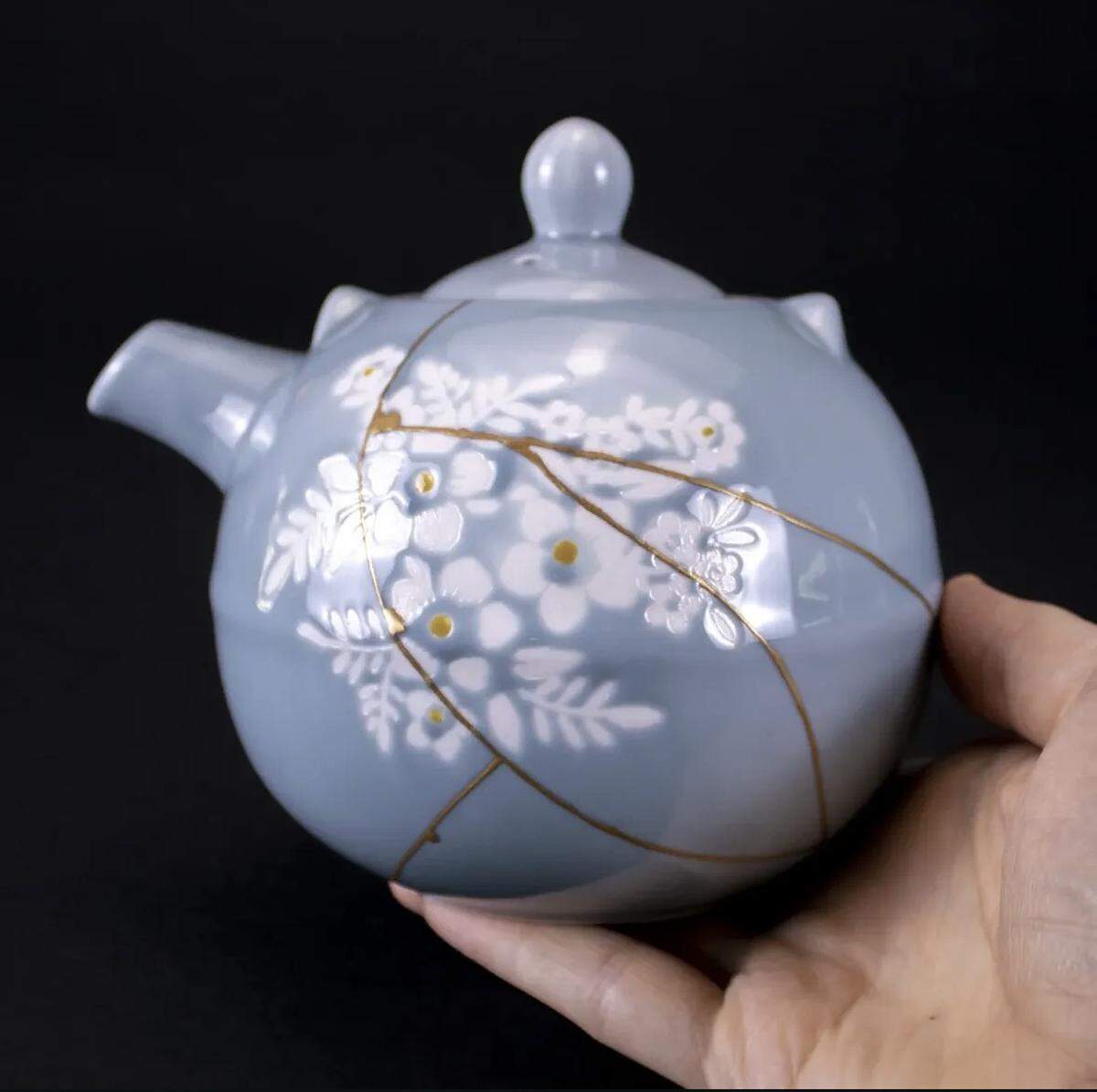
Despite the challenges, demand has grown steadily. What began as a side project expanded as friends, customers and eventually strangers began requesting repairs. That growth accelerated during the COVID-19 pandemic, when people spent more time at home and placed greater value on personal belongings.
Today, many of the items that arrive at their studio are not valuable in a traditional sense. Some are inexpensive mugs or everyday dishes. What they share is emotional weight.
“We repaired a little juice glass that was broken,” Anderson-Story said. “It was close to $500 for this little fella because it was like in 20 pieces. But because it was given by someone important, they want to fix it.”
That emphasis aligns with the philosophy behind their work, even if they do not always frame it that way. While kintsugi is often associated with ideas about embracing imperfection, the couple approaches it primarily as a craft, focusing on technique and durability.
Their approach also sets them apart from modern adaptations of the practice.
In recent years, simplified versions of kintsugi using epoxy and metallic powders have gained popularity, offering quicker and less expensive results. Okamura and Anderson-Story draw a clear distinction between those methods and the traditional process they use, which produces food-safe, long-lasting repairs.
The difference is not always obvious to customers.
“Some people think it can be done in a couple weeks,” Okamura said. “We have to explain why it takes so long.”
Operating in Kansas has added another layer to their work. While kintsugi has gained national visibility, particularly on the coasts, practitioners in the Midwest remain rare. The couple is not aware of others practicing traditional kintsugi locally, with only a handful of artists scattered across the region.
That isolation creates both opportunity and challenge.
“It can feel pretty lonely,” Anderson-Story said. “People don’t know much about it, so we have to explain everything.”
At the same time, the lack of saturation has allowed them to establish a niche, building a client base that continues to grow through word of mouth.
Looking ahead, they are exploring ways to expand beyond repairs, including teaching workshops that would introduce others to the craft. The difficulty lies in adapting a process that unfolds over months into a format that can be taught in a matter of sessions.
For now, the focus remains on the work itself.
“We hope we can share this ancient craft with more people,” Okamura said.
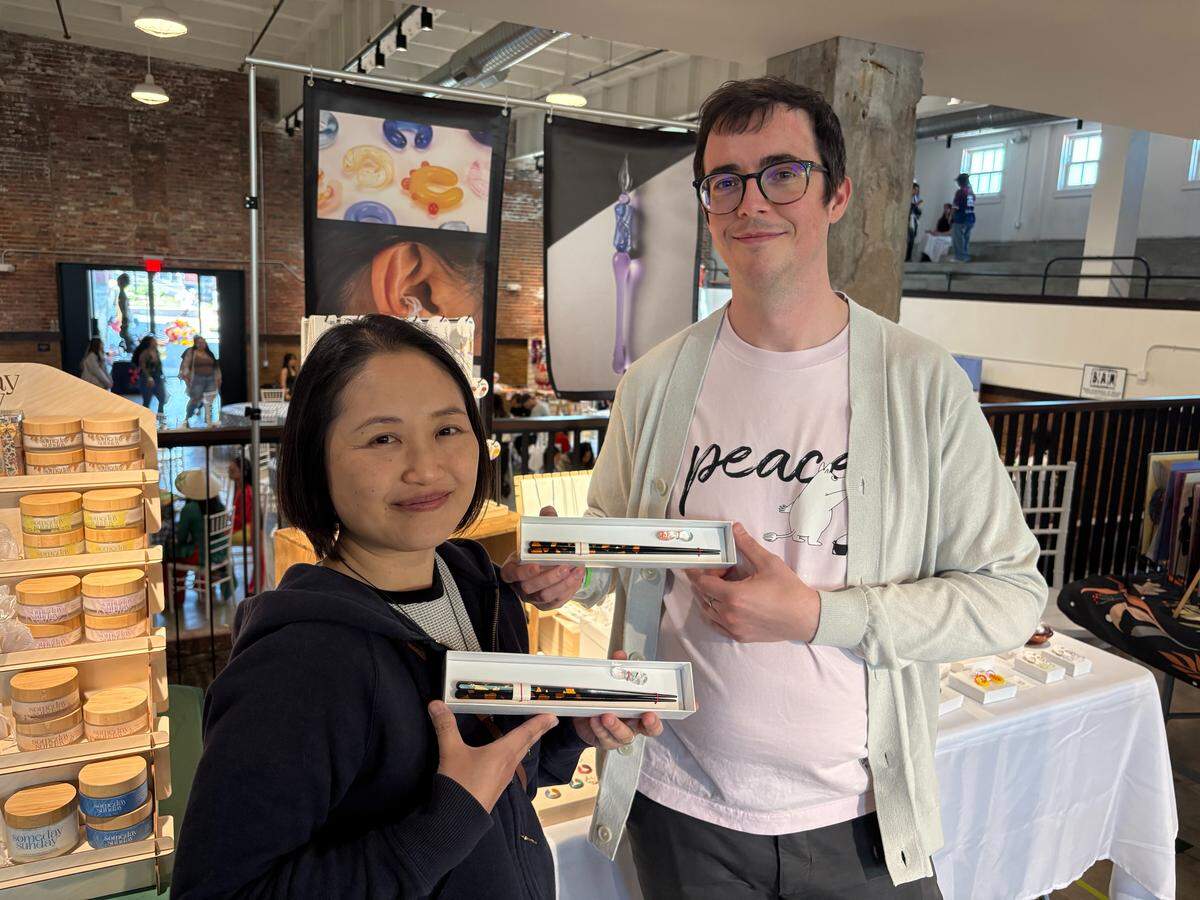
In a culture built around convenience and replacement, their studio offers a different approach, one that treats damage not as an endpoint, but as the beginning of something that takes time to restore.
Naomi Abercrombie makes her way in ballet world
Naomi Abercrombie left Japan before most dancers have decided whether they are serious about ballet.
At 13, she moved alone to Winnipeg, Canada, to attend a residential ballet school, trading familiarity for training and proximity to opportunity. Her family remained in Sappororo, Japan. What could have been a difficult transition, she remembers as momentum.
“I think because I was so young, I didn’t really have fear,” Abercrombie said. “Every day was exciting.”
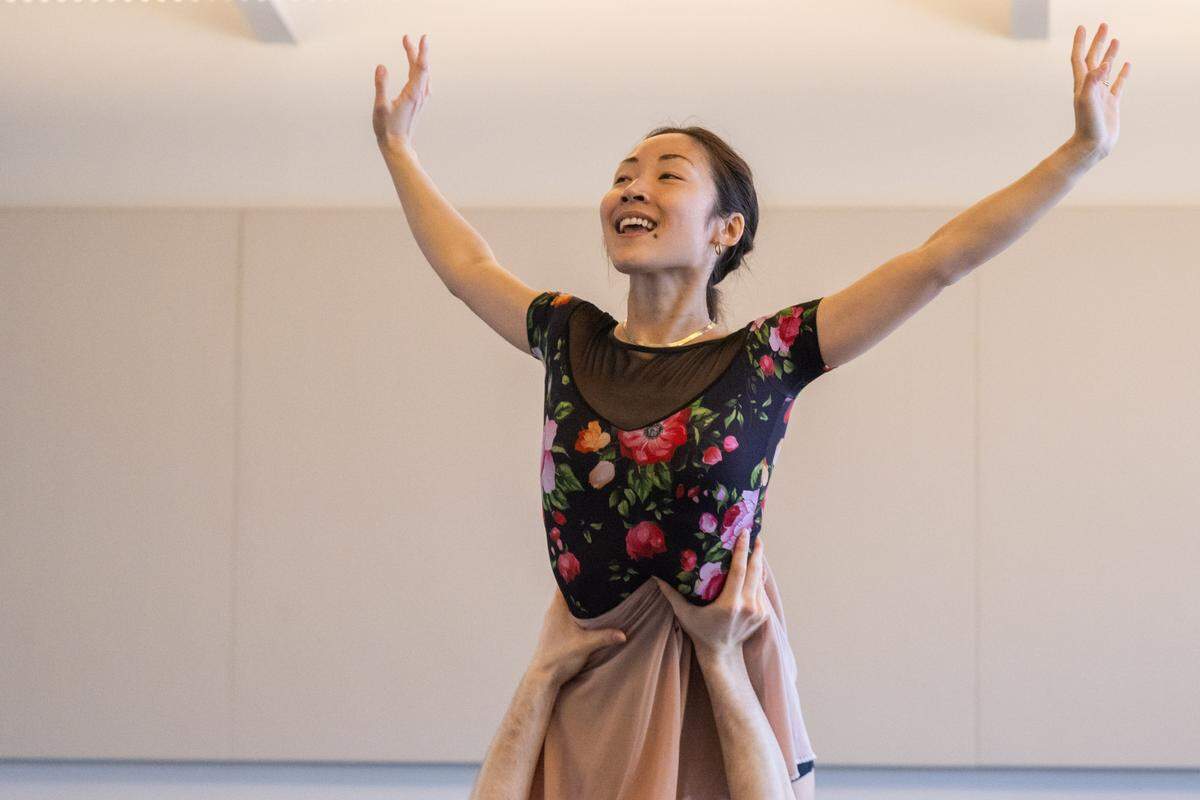
Her path into dance began much earlier. She started ballet at 4 after a friend invited her to a class. By the time she was 10 or 11, she had already decided it would be her career. That early certainty carried her through years of training across countries and cultures.
In Japan, her instruction was focused and consistent, shaped by a small group of teachers and a strong emphasis on discipline and group cohesion. In Canada, the structure widened. Abercrombie studied under more than 10 instructors while expanding into other styles, including modern, flamenco and character dance.
The shift extended beyond the studio. She arrived without fluency in English, but found that dance provided its own language. Ballet terminology, rooted in French, remained constant, and physical demonstration helped bridge the gaps.
“What’s cool about dance is you don’t really need to know the exact language,” she said. “You can understand through movement.”
That combination of discipline and adaptability became the foundation of her career. It was reinforced at home, where her parents, particularly her mother, supported her decision to pursue ballet professionally. Her father was initially more skeptical, uncertain whether dance could become a viable career.
That changed when he saw her perform for the first time.
During her early professional years, Abercrombie was performing with a company in Arizona when her father traveled from Japan to attend a production of “The Nutcracker.” It was the first time he had seen her on stage.
“I think that’s when he realized this is a career,” she said.
In 2019, Abercrombie joined the Kansas City Ballet, arriving just months before the COVID-19 pandemic halted live performance. Her first season was cut short, leaving her and her colleagues in uncertainty.
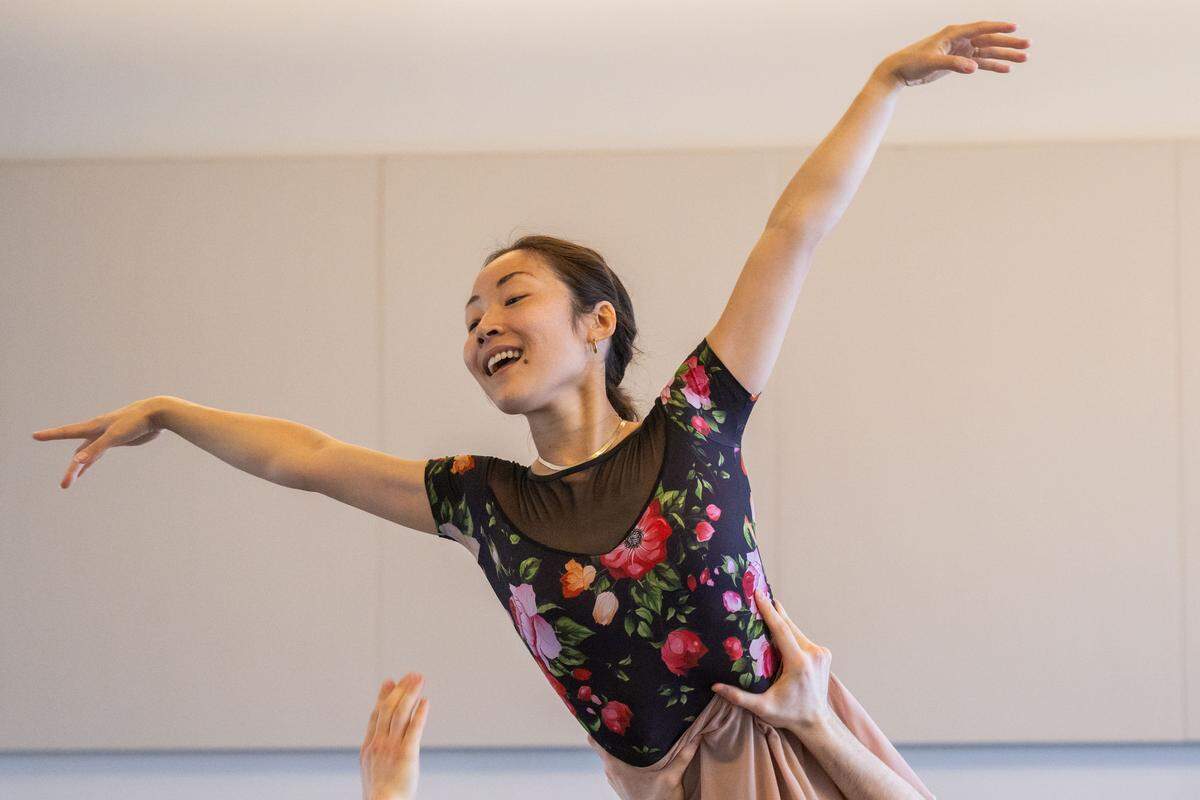
When performances resumed, the return to stage carried a different weight.
At the Kauffman Center for the Performing Arts, the company opened with “Serenade,” a piece that begins with dancers reaching toward a beam of light as the curtain rises. For Abercrombie, the moment was less about choreography and more about what it represented.
“I think every one of us on stage just teared up,” she said. “It was such a beautiful moment of feeling so grateful to be back.”
The experience reshaped how she approaches performance, sharpening her awareness of what live art offers.
“I really try to enjoy every moment on stage,” she said.
If the return to performance renewed her sense of purpose, Kansas City offered another surprise.
Coming from larger cultural centers, Abercrombie did not expect the same level of engagement in a Midwestern city. What she found instead was an audience deeply invested in the arts.
“I really didn’t expect this much art in Kansas City,” she said. “People here love local things. They’re really proud of what comes out of Kansas City.”
That support is visible in the response she receives during performances, from the energy in the theater to conversations afterward. For a dancer, an engaged audience is not incidental. It shapes the work.
“I think we have the warmest audience,” she said.
Within the company, that environment extends to collaboration. Productions often bring together artists from different disciplines, creating space for experimentation alongside traditional repertory. Abercrombie is currently performing in an adaptation of “The Great Gatsby,” where she takes on the role of Myrtle, a character defined by intensity and ambition.
The part marks a departure from roles she has typically performed.
“I think I tend to play more innocent types,” she said. “So it’s been fun to explore something new.”
Preparing for the role has required a shift in both movement and expression, from studying body language to working with ballet masters on character-driven gestures. It reflects a broader evolution in her work, one that moves beyond technical precision into interpretation.
That evolution is also shaped by the internal demands of the profession.
“I think the biggest challenge is being your own critic,” she said. “You’re always pushing yourself to improve.”
Balancing that pressure with the need for self-awareness is a constant negotiation, eased in part by the support of her peers. Abercrombie describes the company as a collaborative environment where dancers provide feedback and encouragement, reinforcing a sense of shared growth.
Outside the studio, her connection to Kansas City’s Japanese community has developed gradually. Through performances and informal outreach, she has met residents who see in her a reflection of their own cultural background.
“It feels good to be representing,” she said.
That representation carries significance, particularly for younger audiences who may not often see themselves reflected on stage. Abercrombie approaches it with responsibility, while keeping her focus on the work itself.
Her understanding of that role is shaped by her own experience moving between countries and adapting to different cultural expectations. In Japan, she said, ballet remains closely tied to traditional productions, with audiences favoring classical works over contemporary experimentation. In the United States, the balance is broader, allowing for new choreography and collaborative formats. This allowed her to explore styles like modern, flamenco and character dance.
For Abercrombie, that difference has created space to expand her range while remaining grounded in the fundamentals she learned early on.
“I think the discipline I learned in Japan really carried through,” she said.
Years after leaving home, that foundation remains visible in her work. It is present in the precision of her movement, the consistency of her training and the way she navigates a career that spans cultures.
In Kansas City, a city she did not expect to define her career, Abercrombie has found a place where that work is not only seen, but valued.
This story was originally published May 14, 2026 at 8:06 AM.